Hogg & Lamb

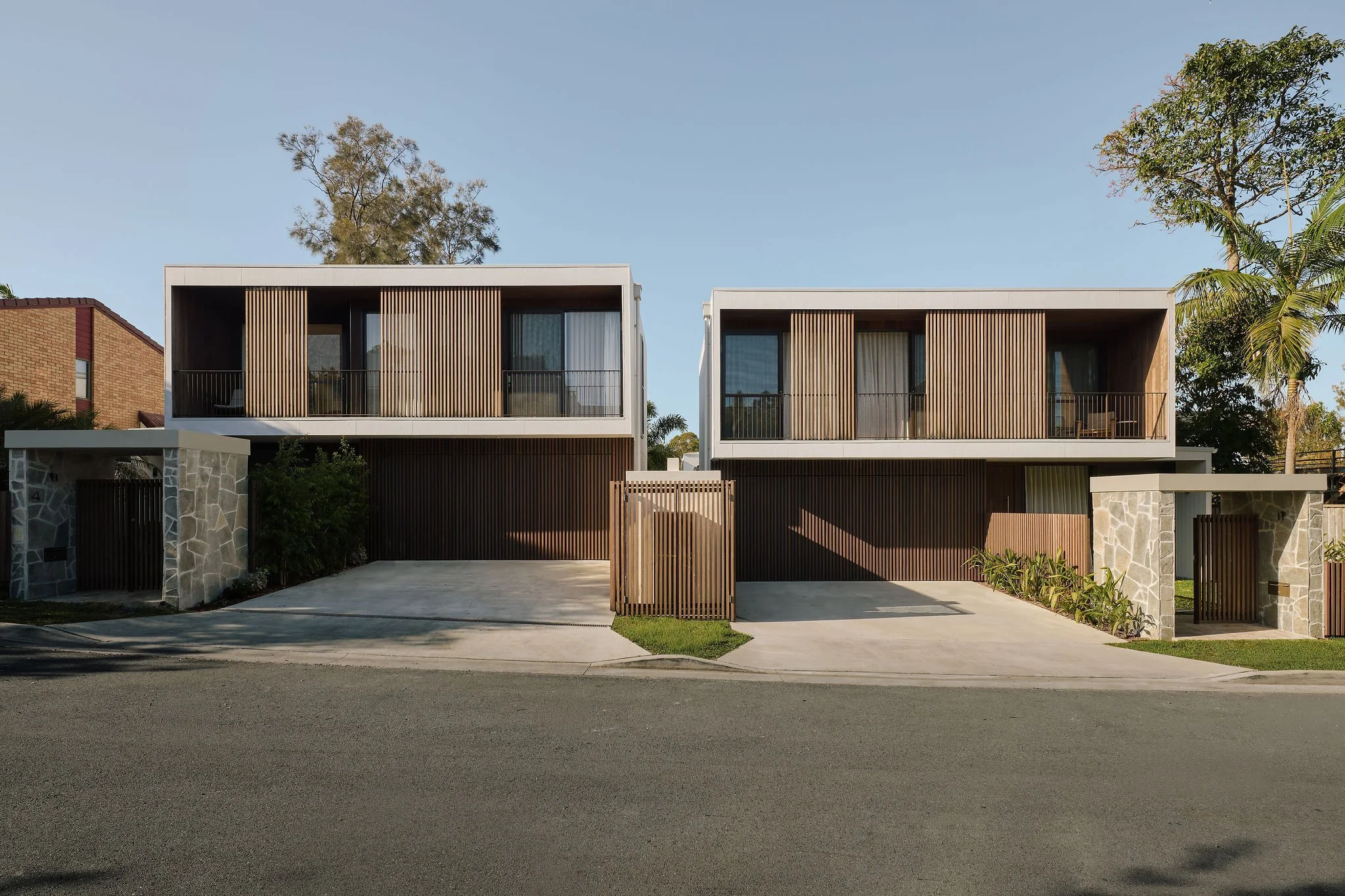
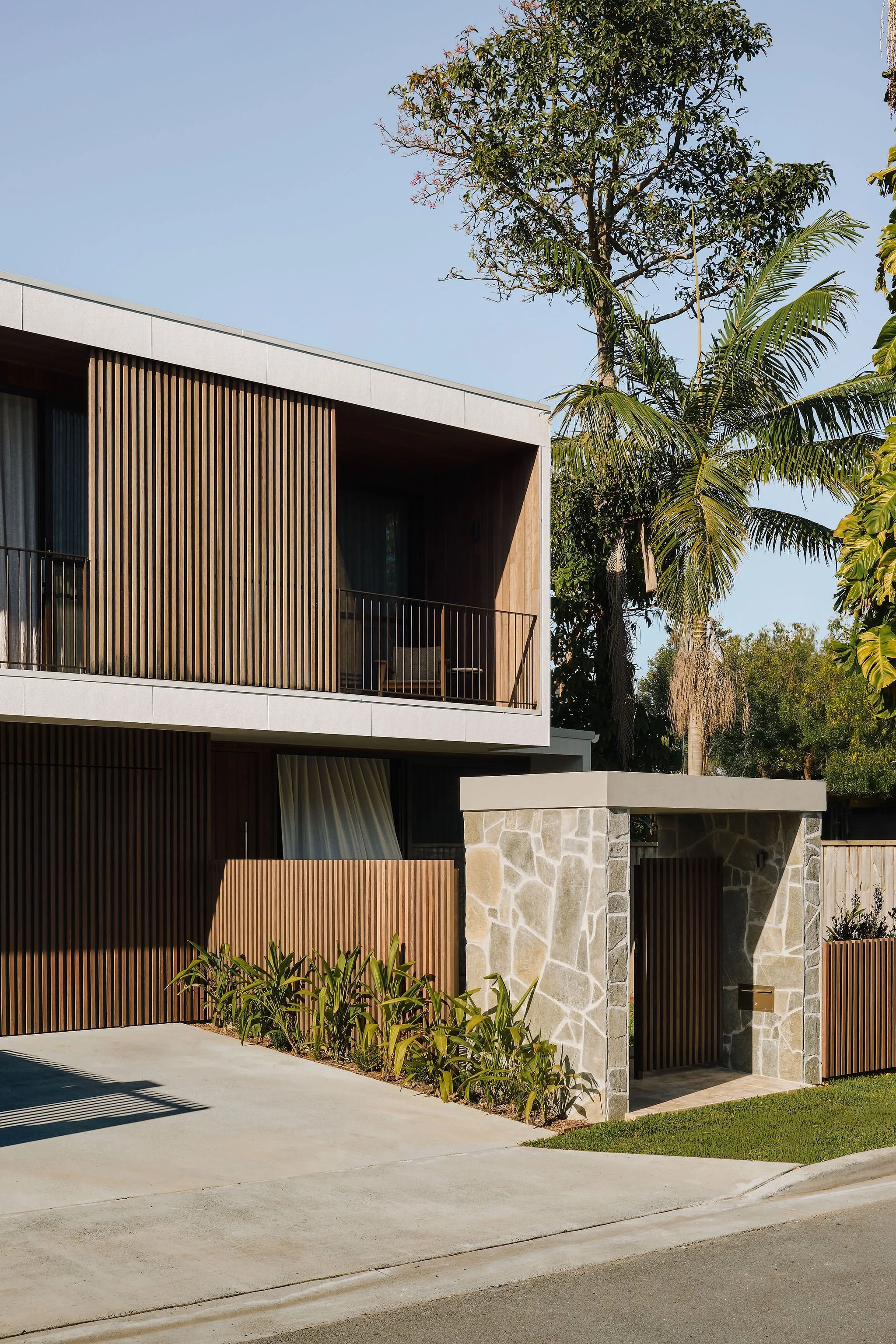
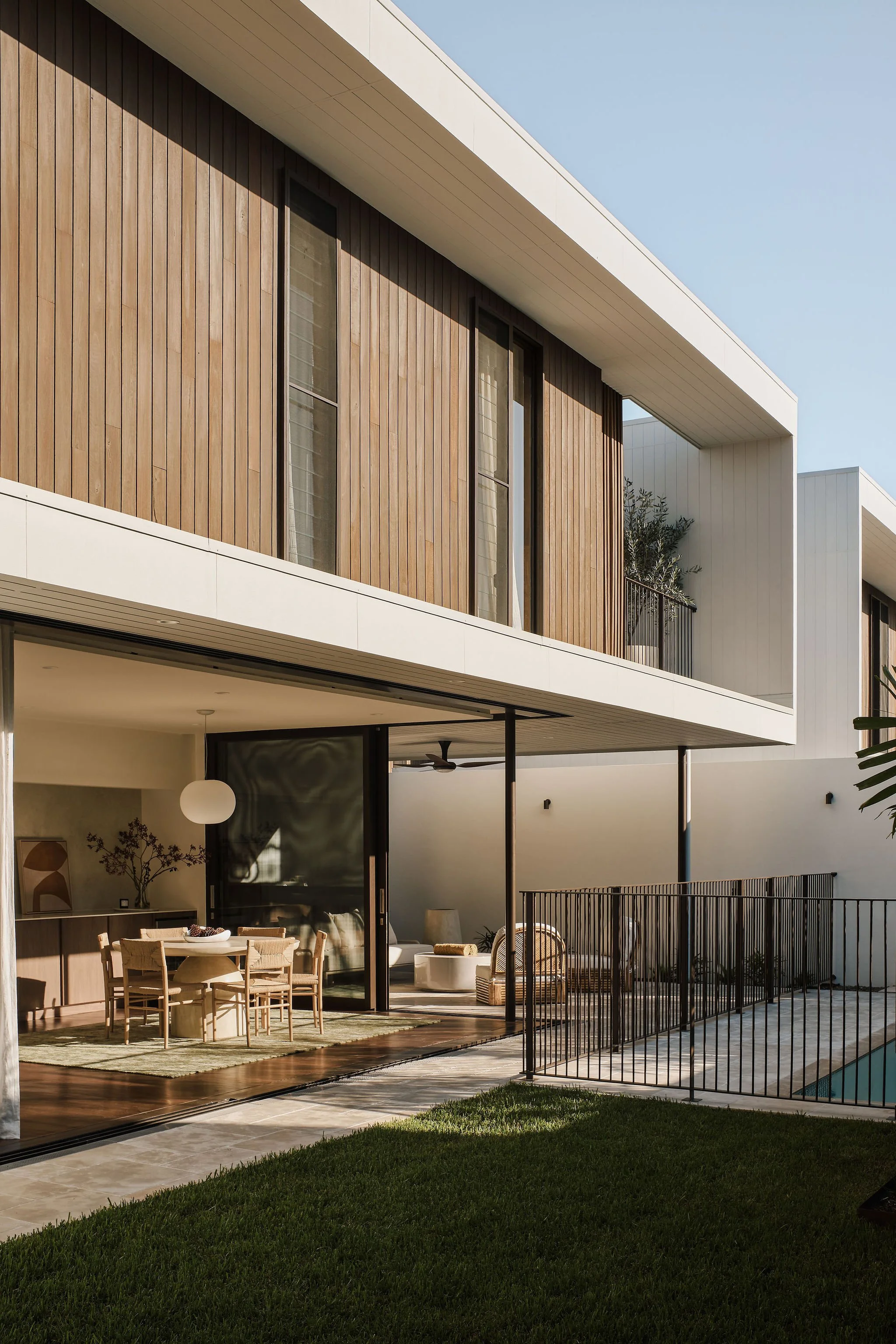
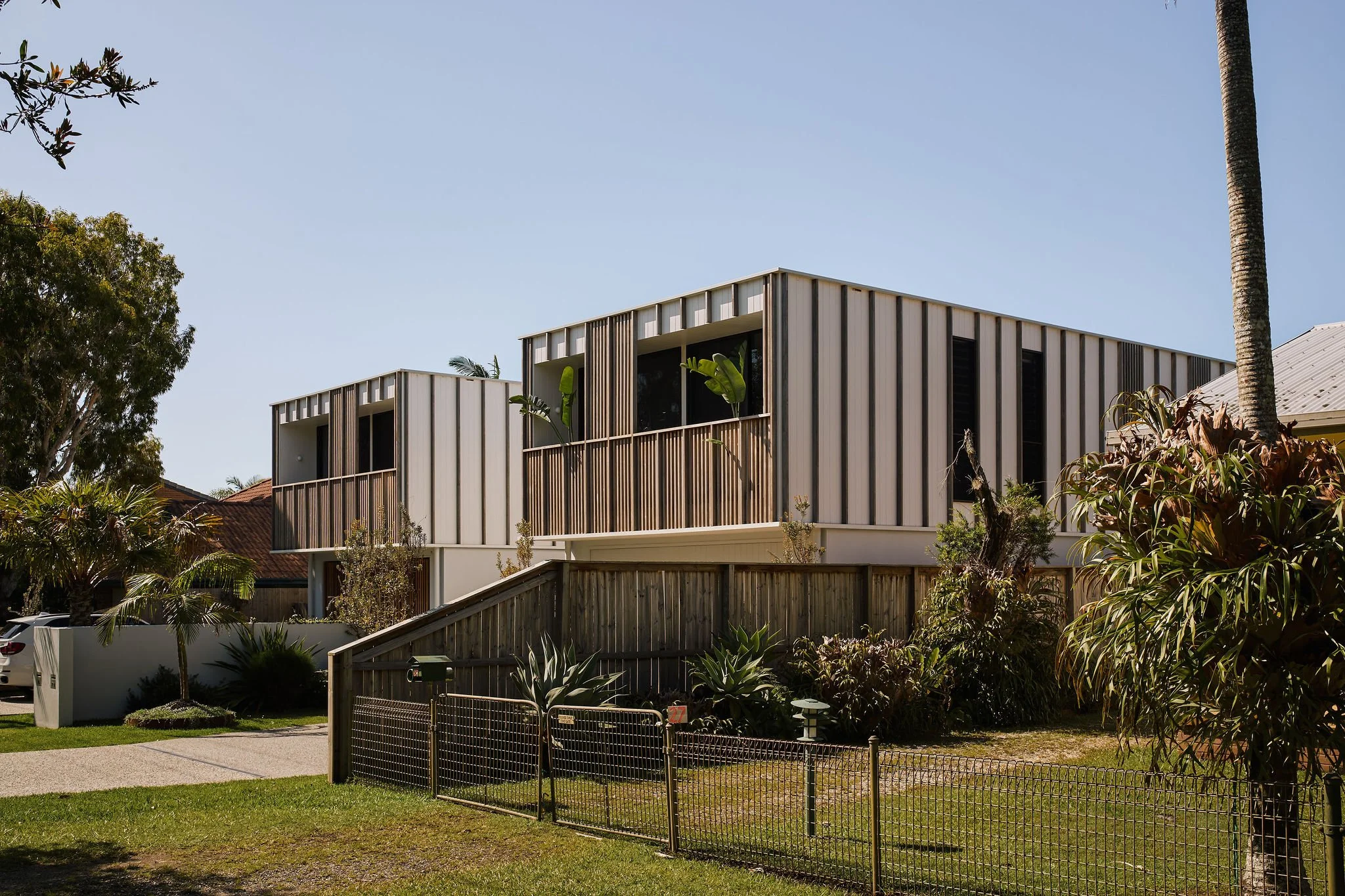
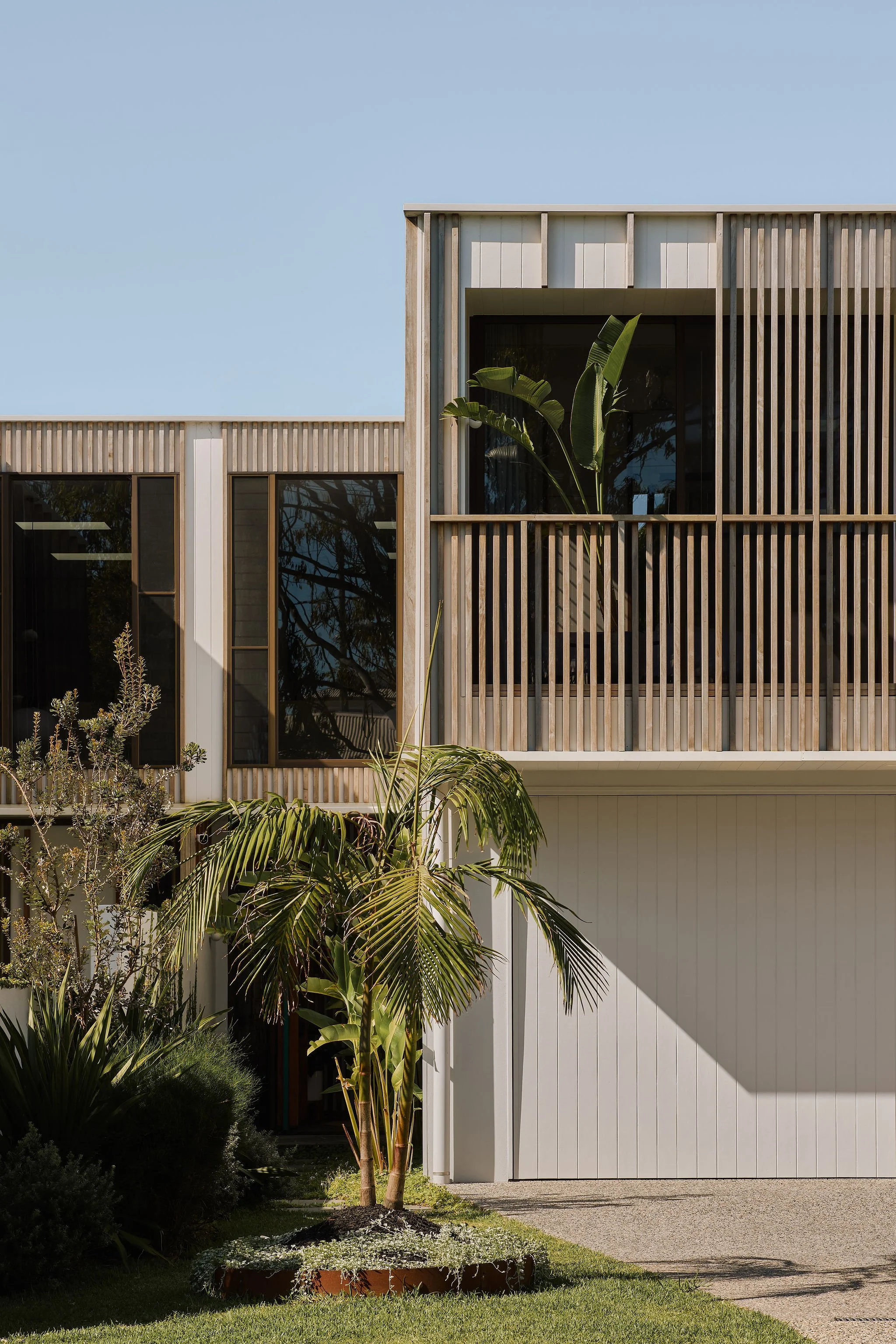
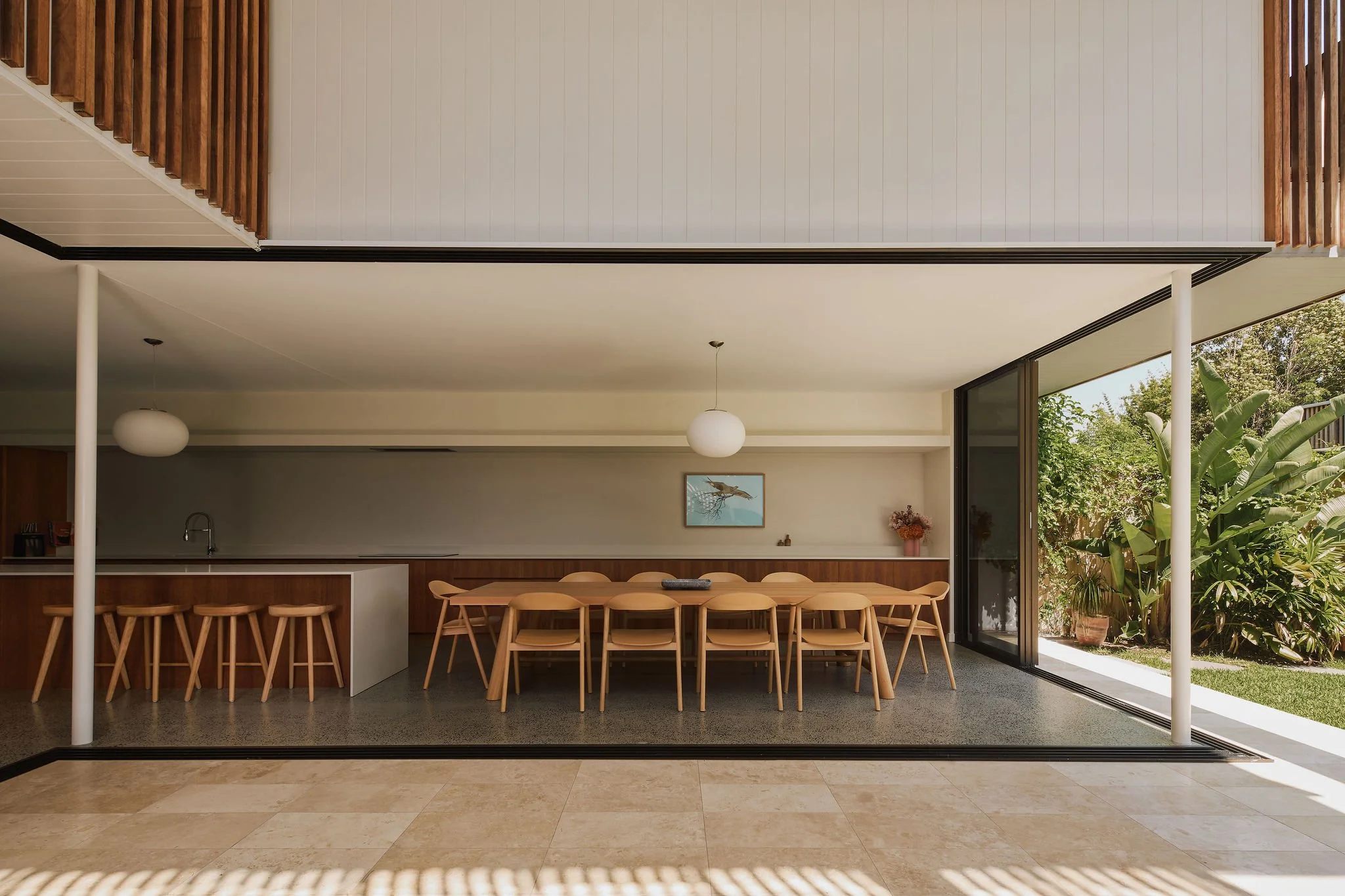
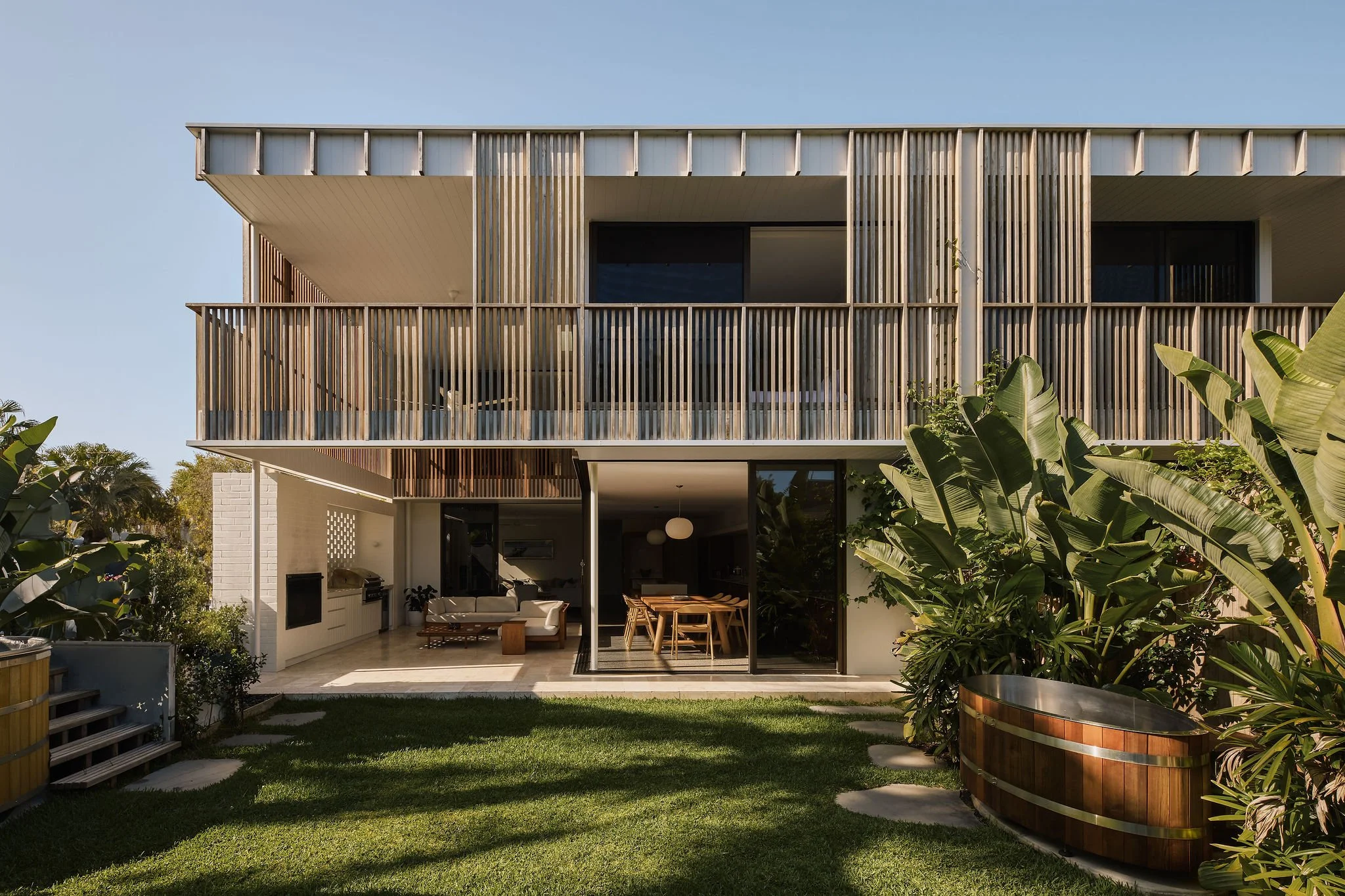
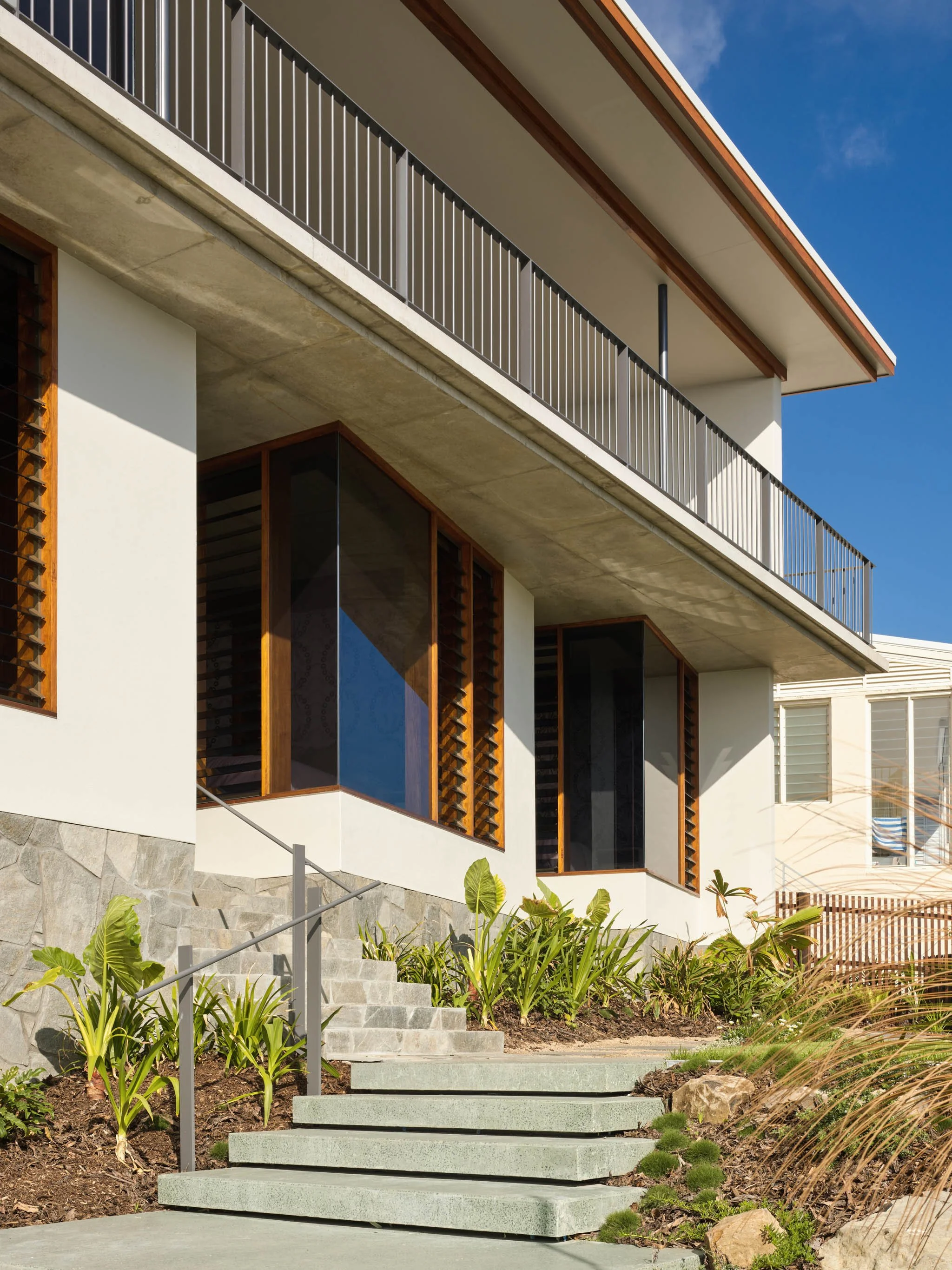
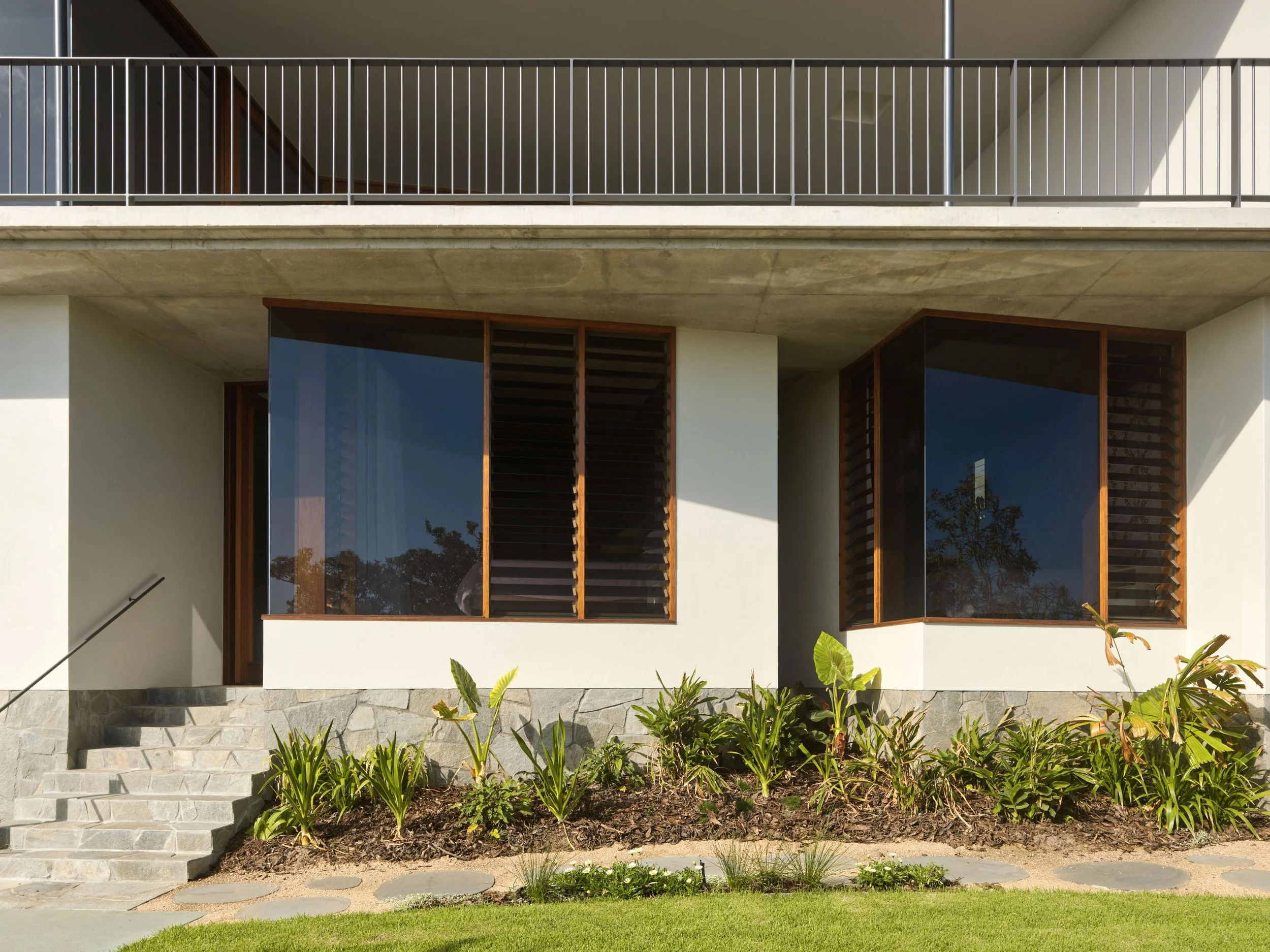
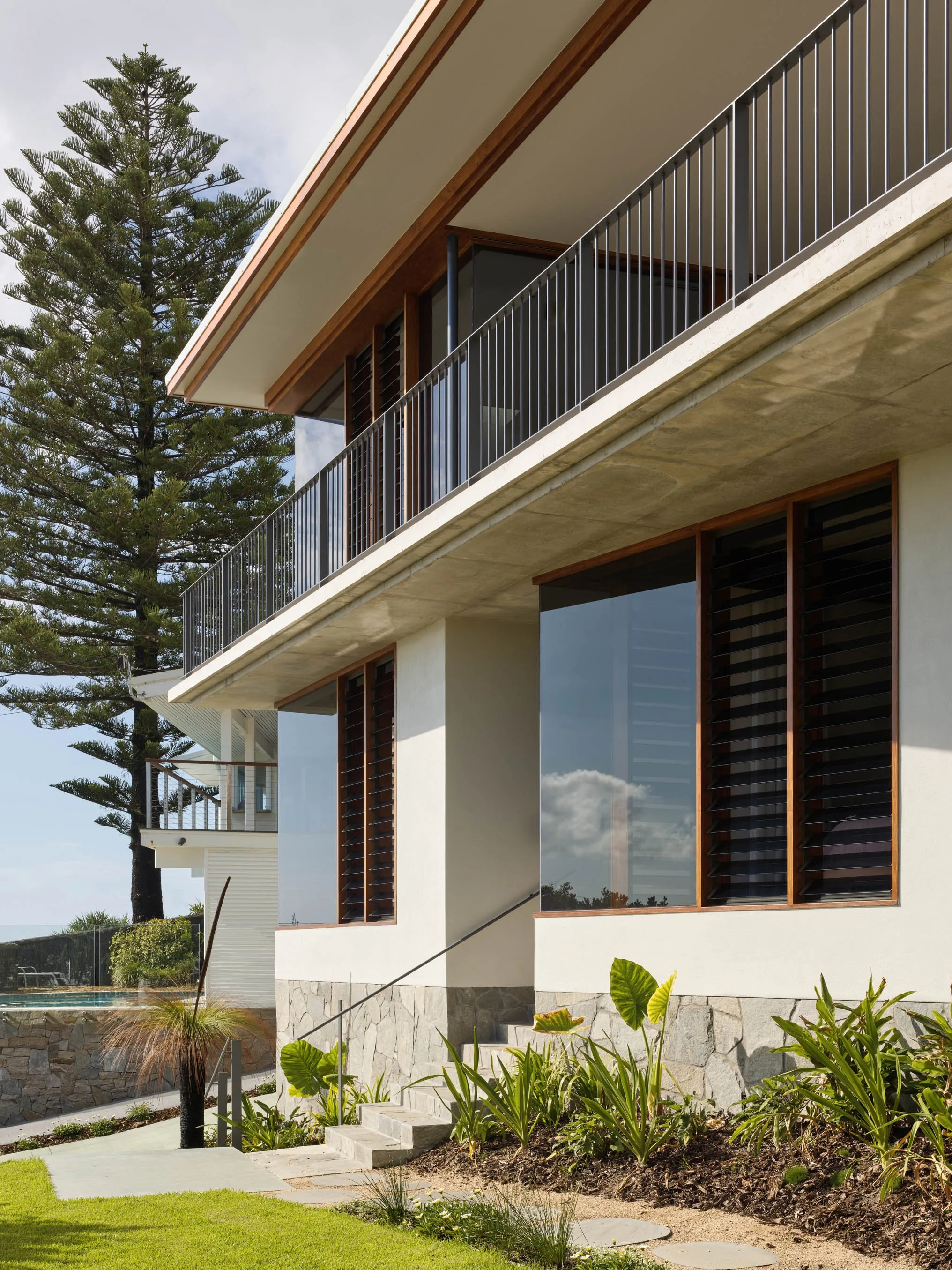
Inspired by Byron Bay's unique beachside location and casual outdoor lifestyle, the scheme provides a refined way of living and a genuine connection to nature.
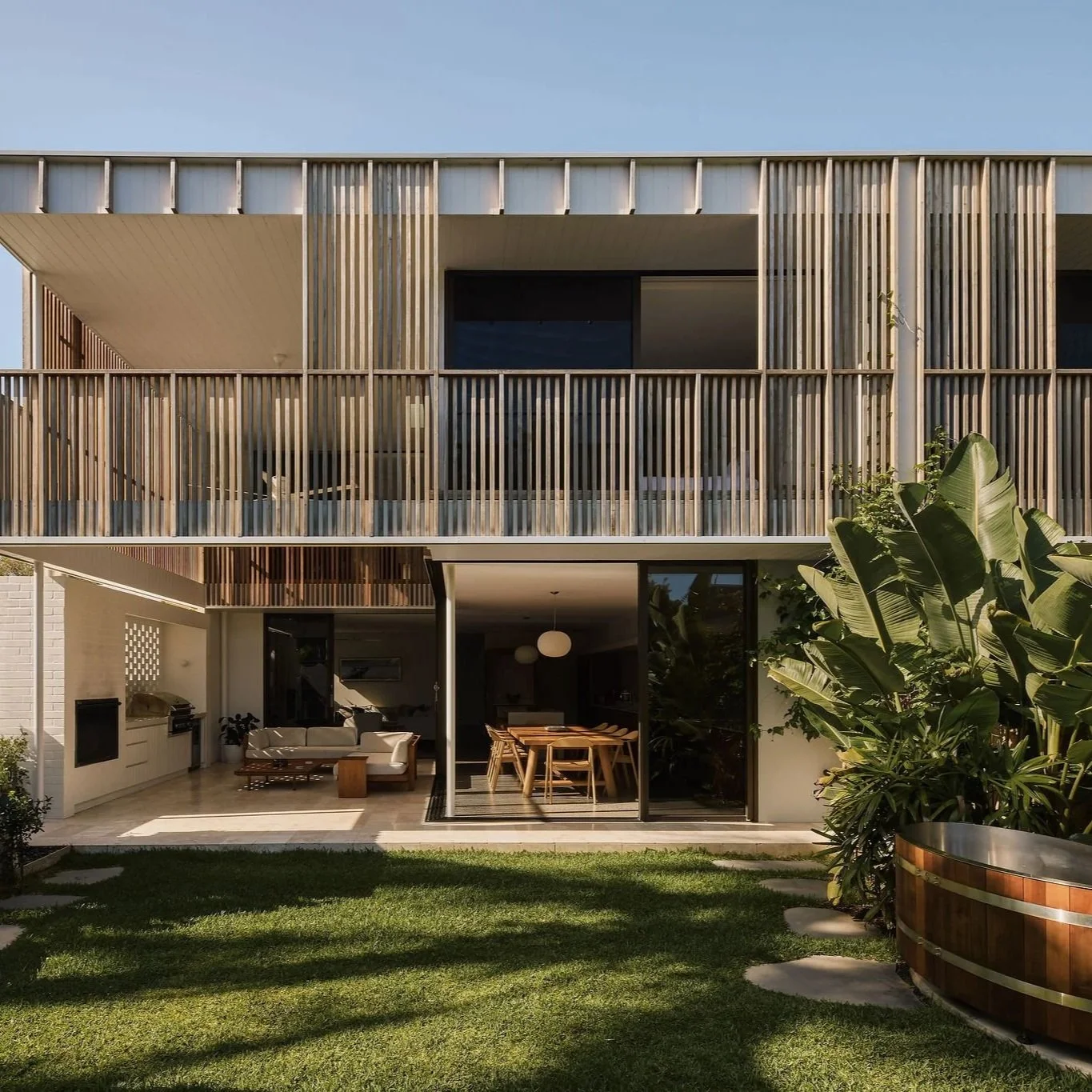
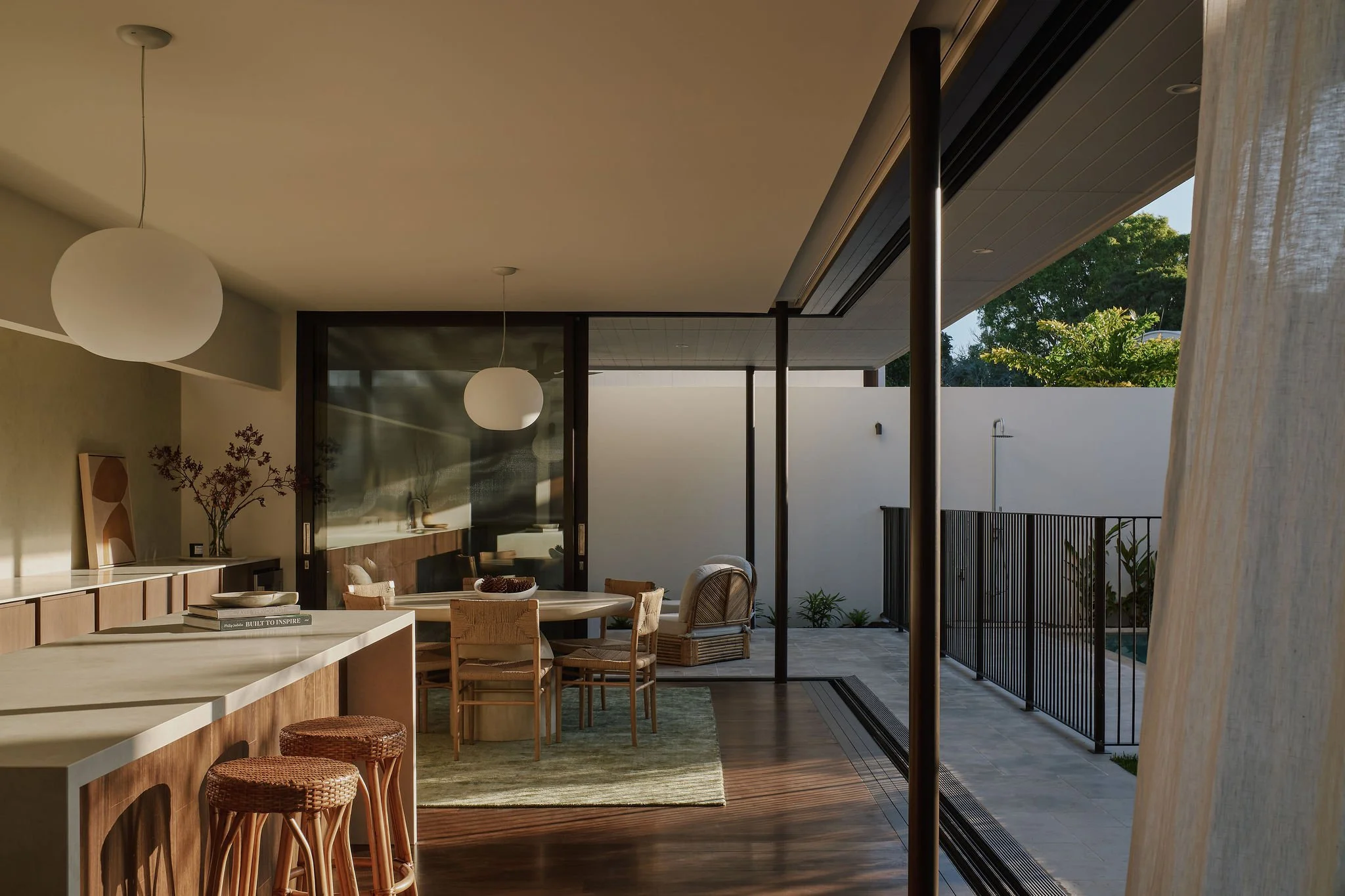
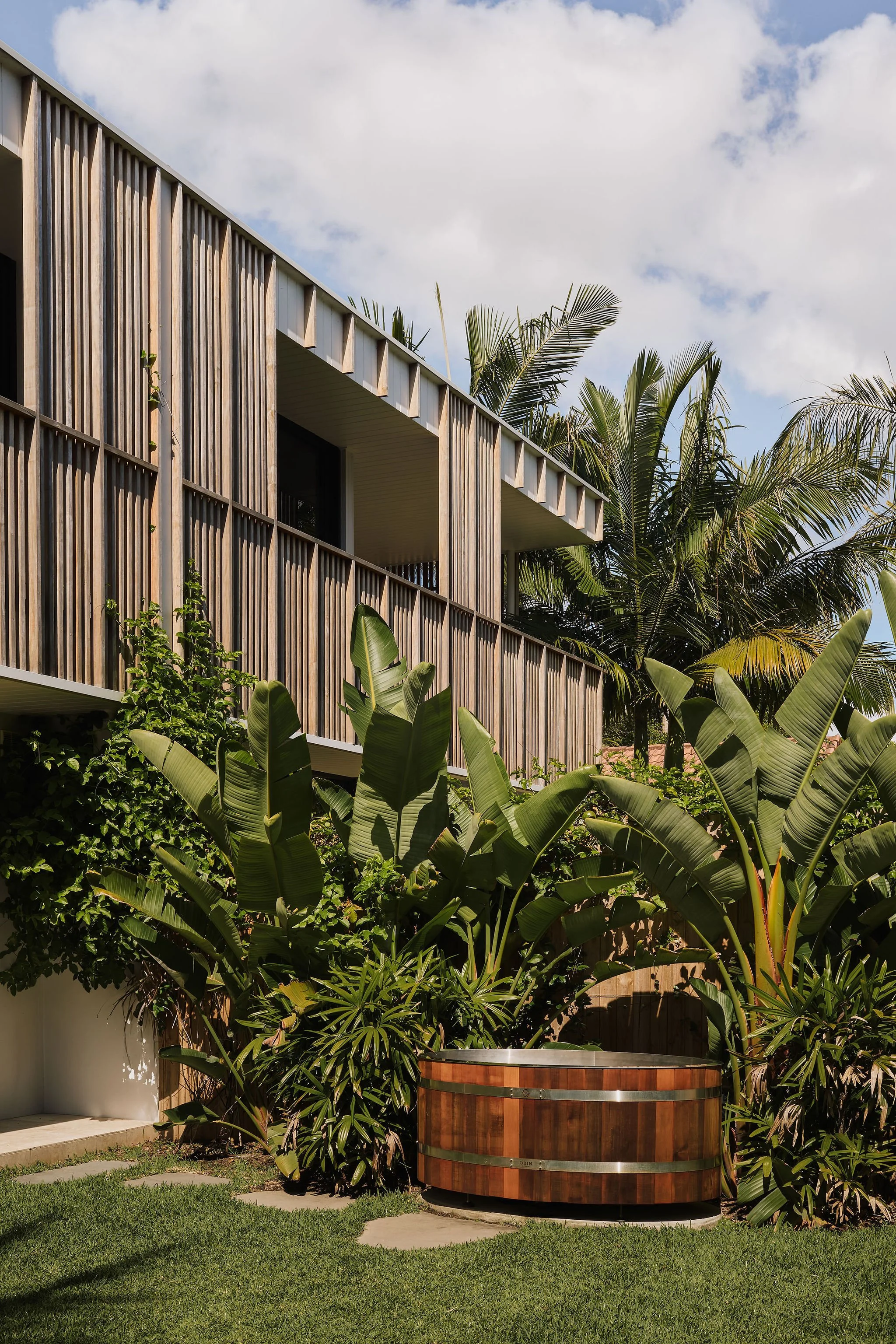
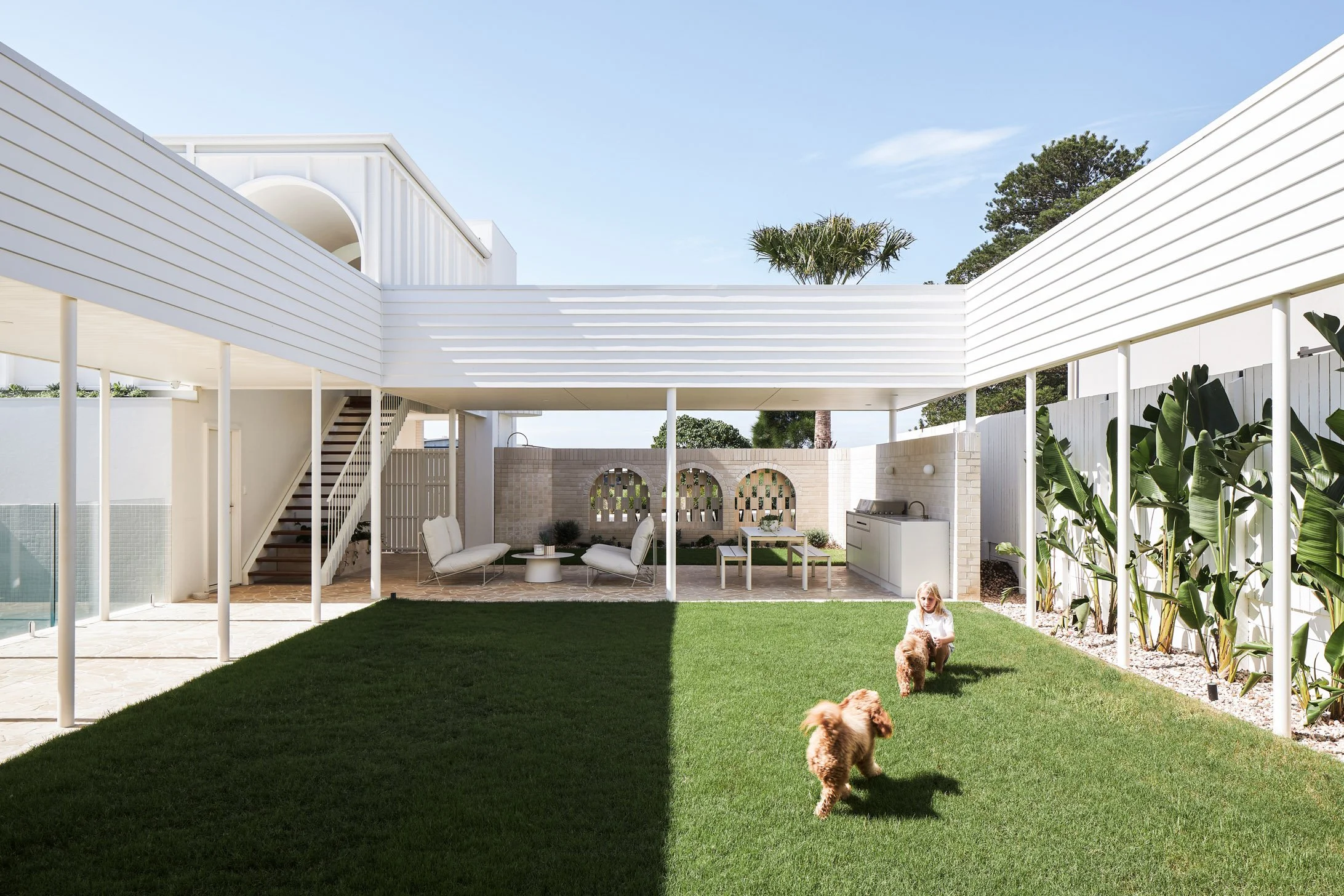
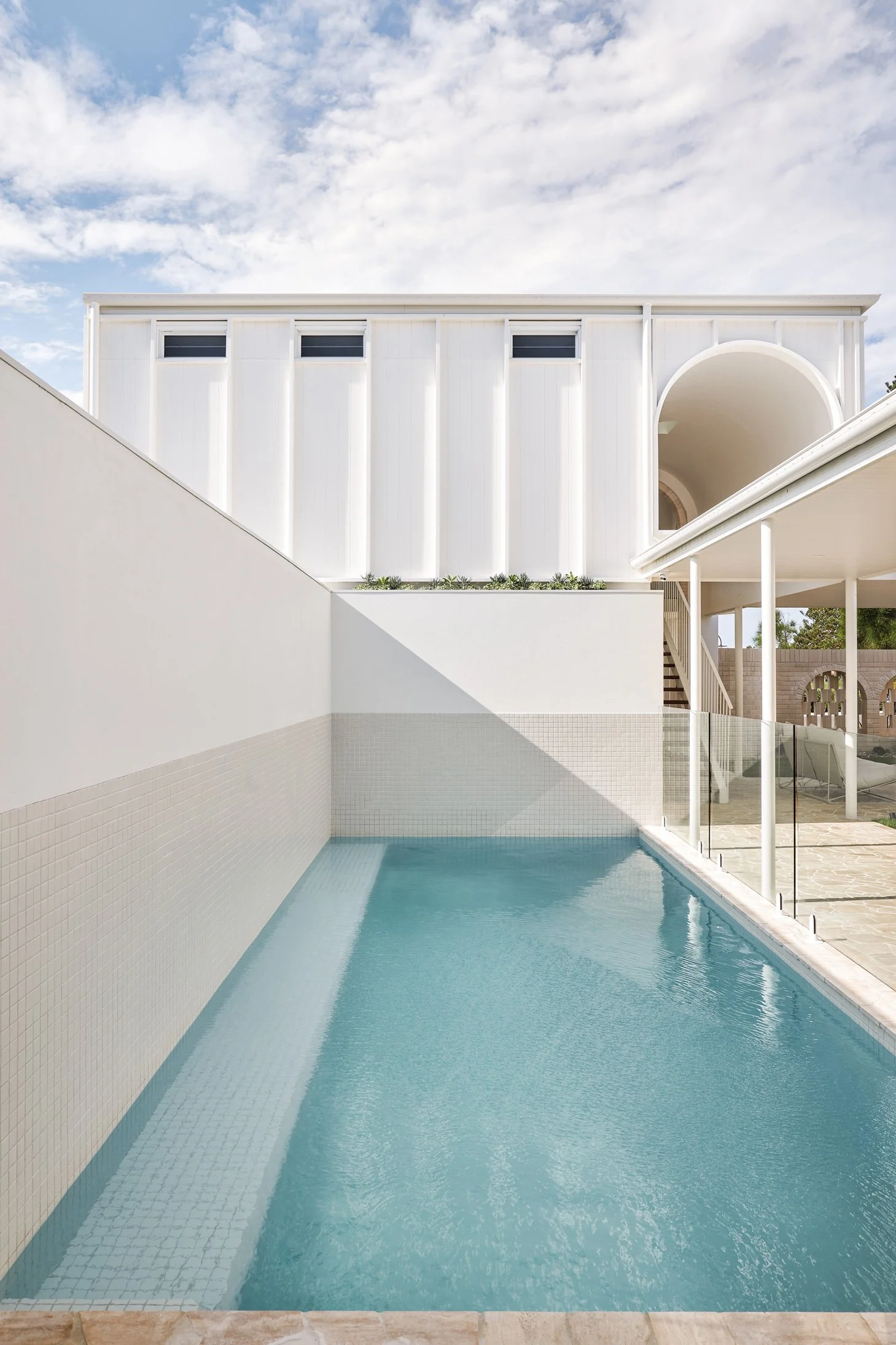
Focussed around a private, north-facing courtyard garden and pool, each house seamlessly blurs the boundaries between indoors and out to create a refined sub-tropical sanctuary for living.
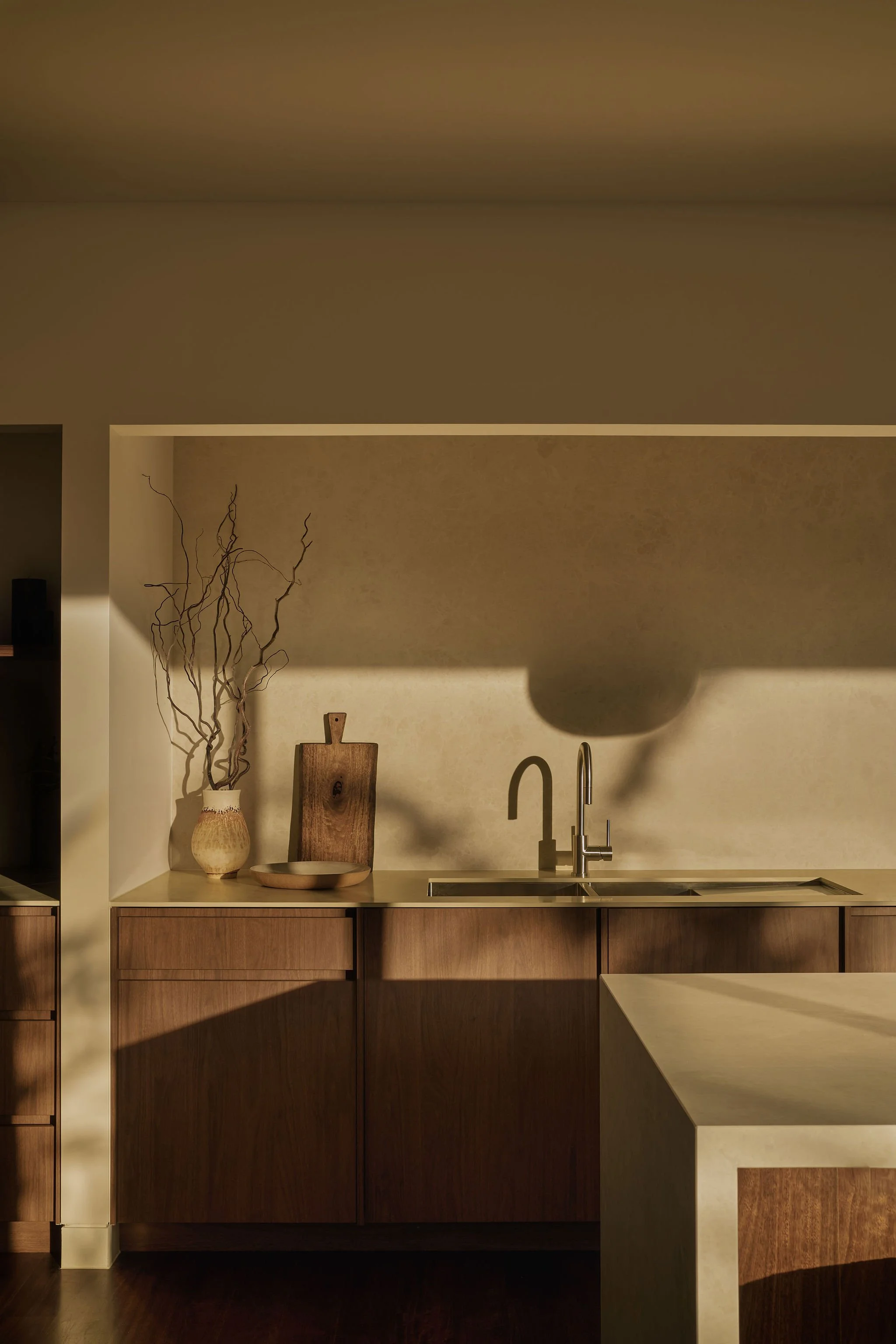
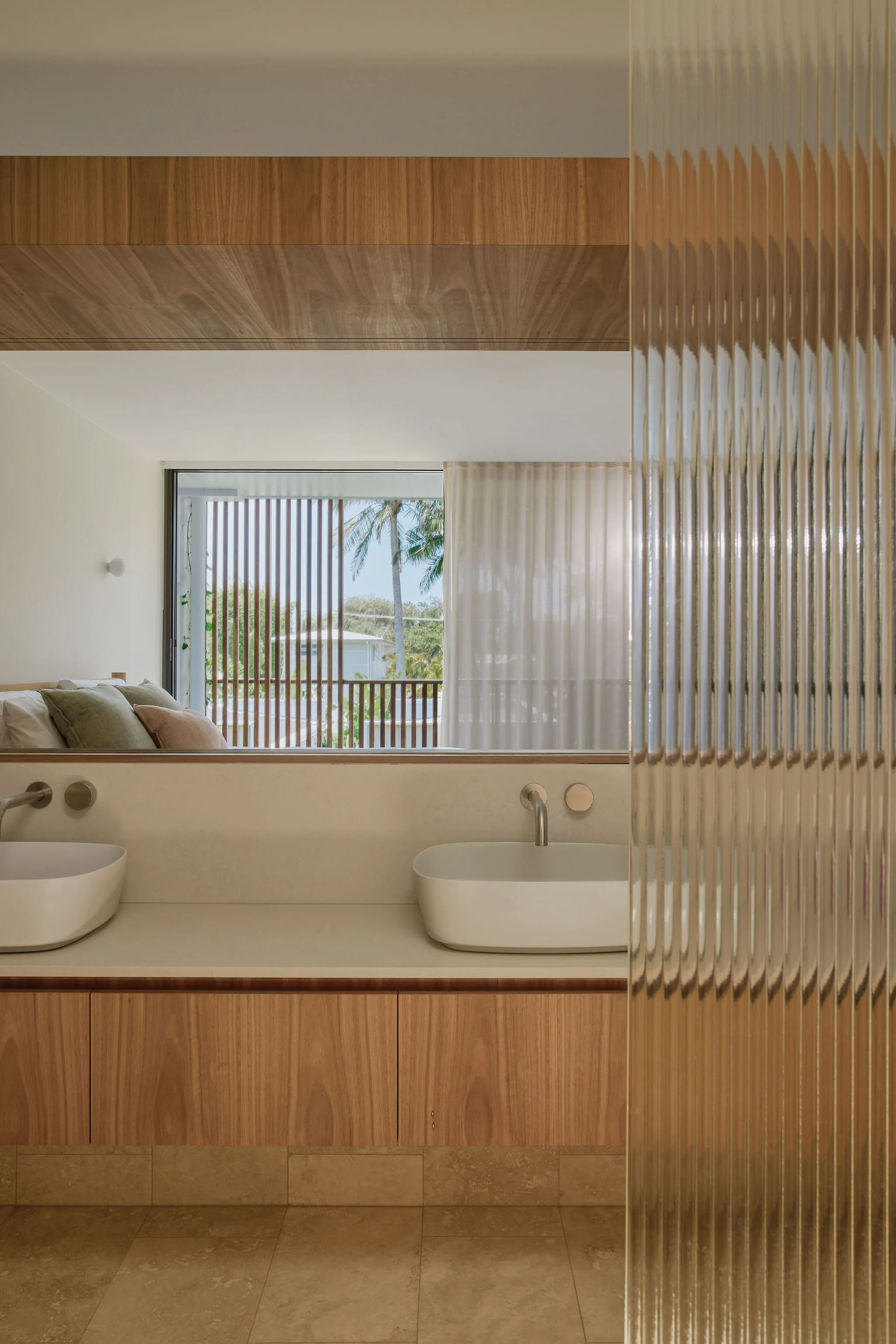
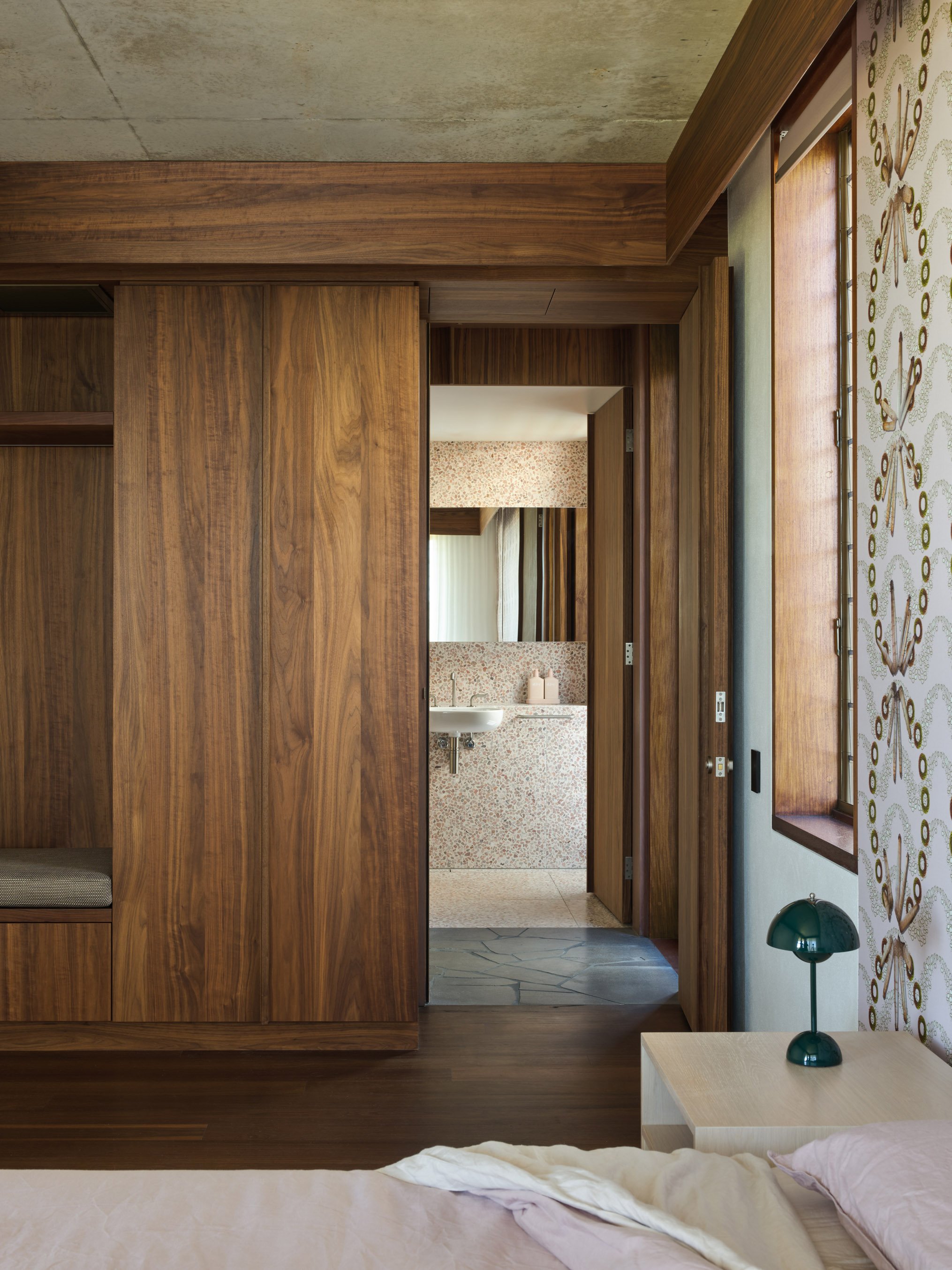
Natural timber, muted tones, timeless finishes, and lush landscaping form a sophisticated yet casual response to Byron's unique natural setting and easy-going way of life.
Project Team:
Michael Hogg
Juan Salazar
Timothy Hajnady
Photography:
Andy Macpherson
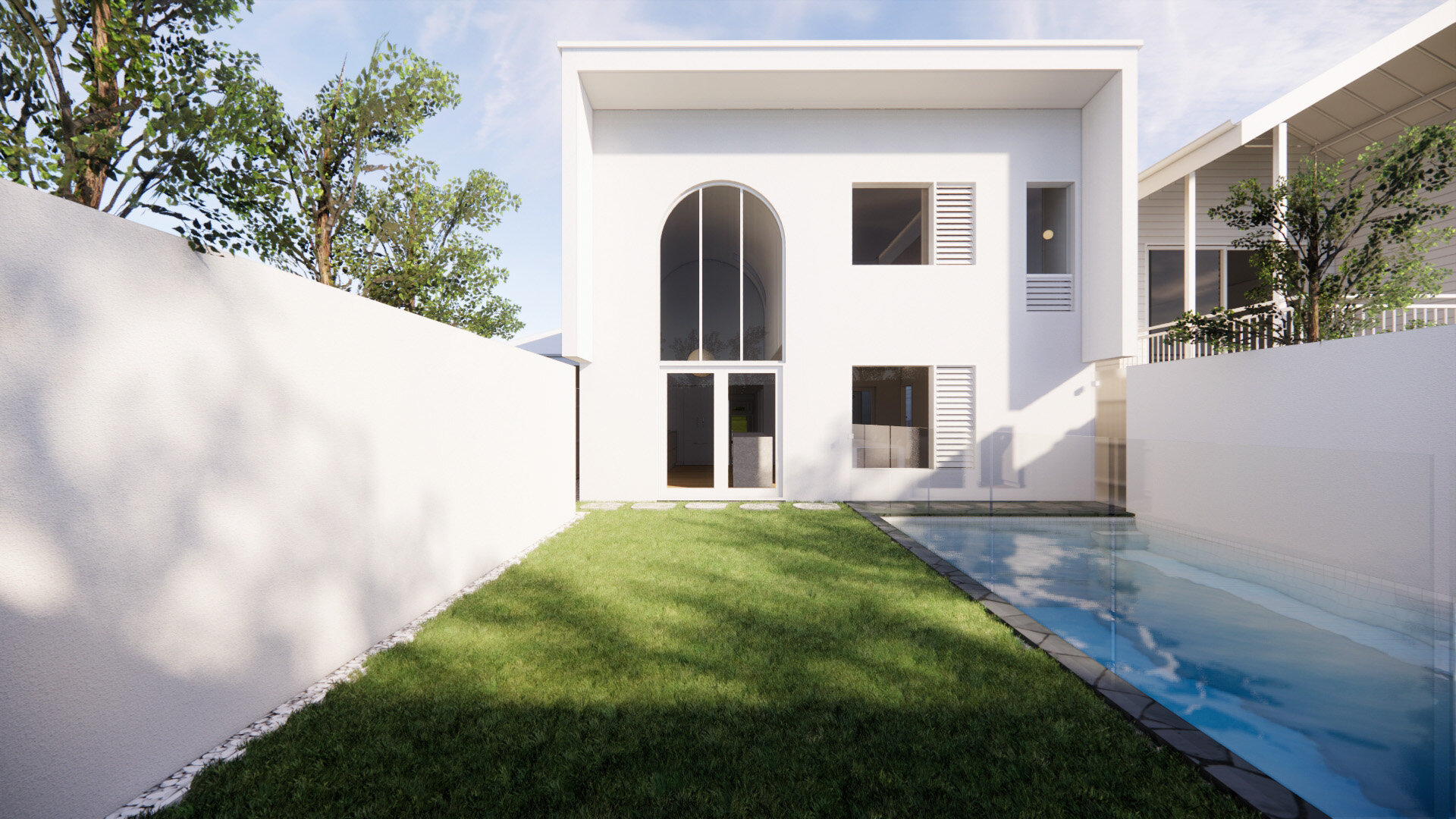
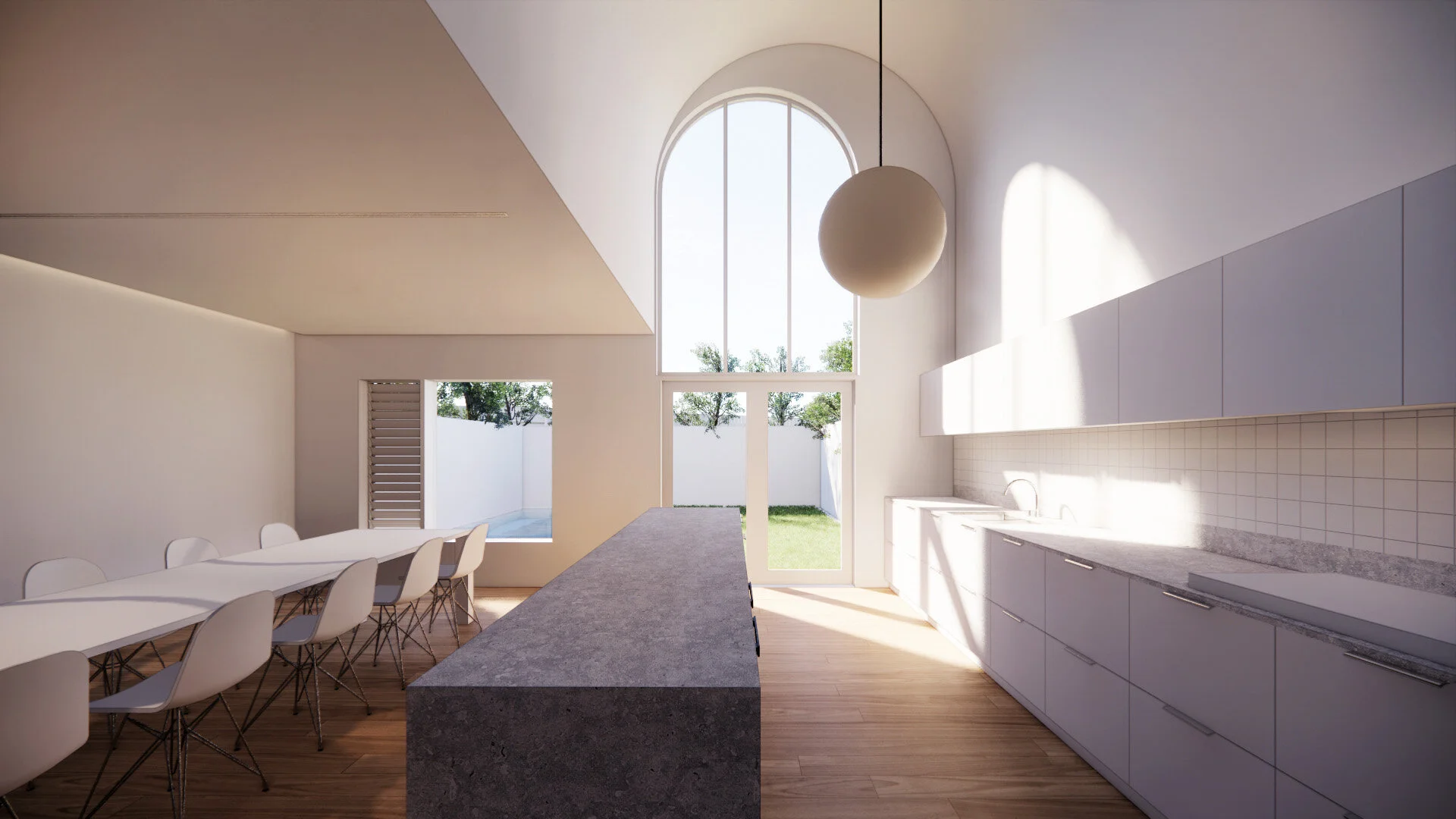
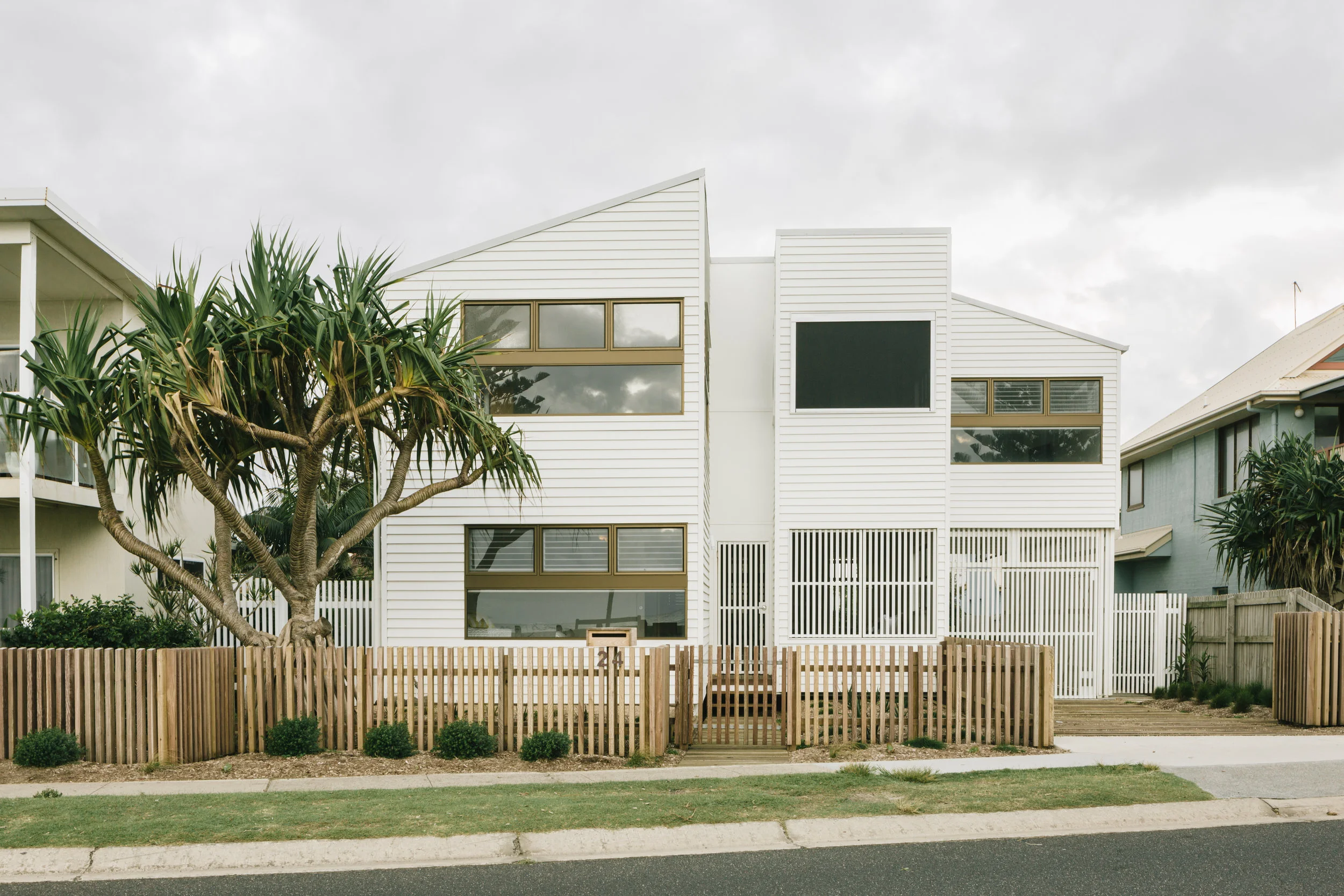
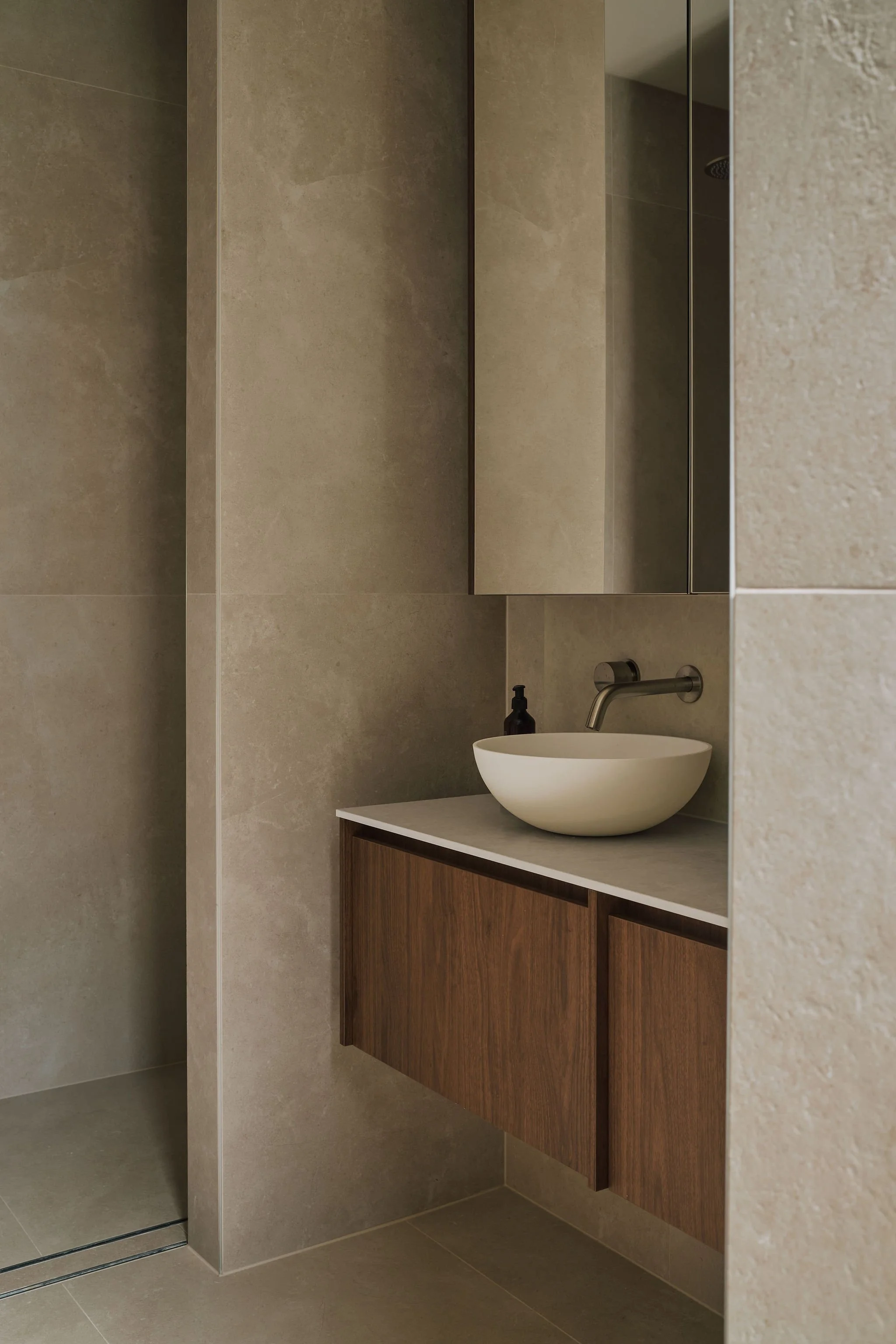
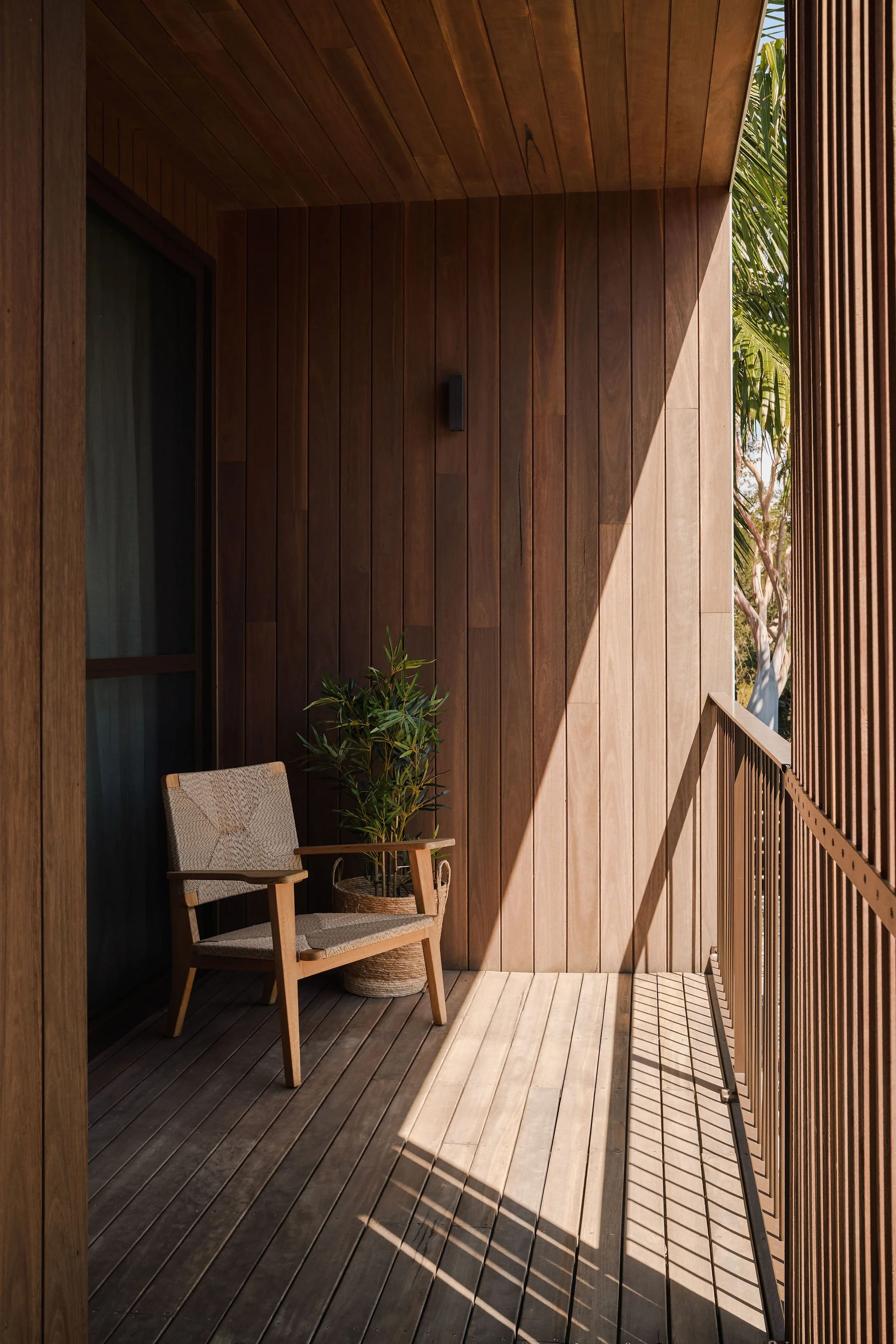
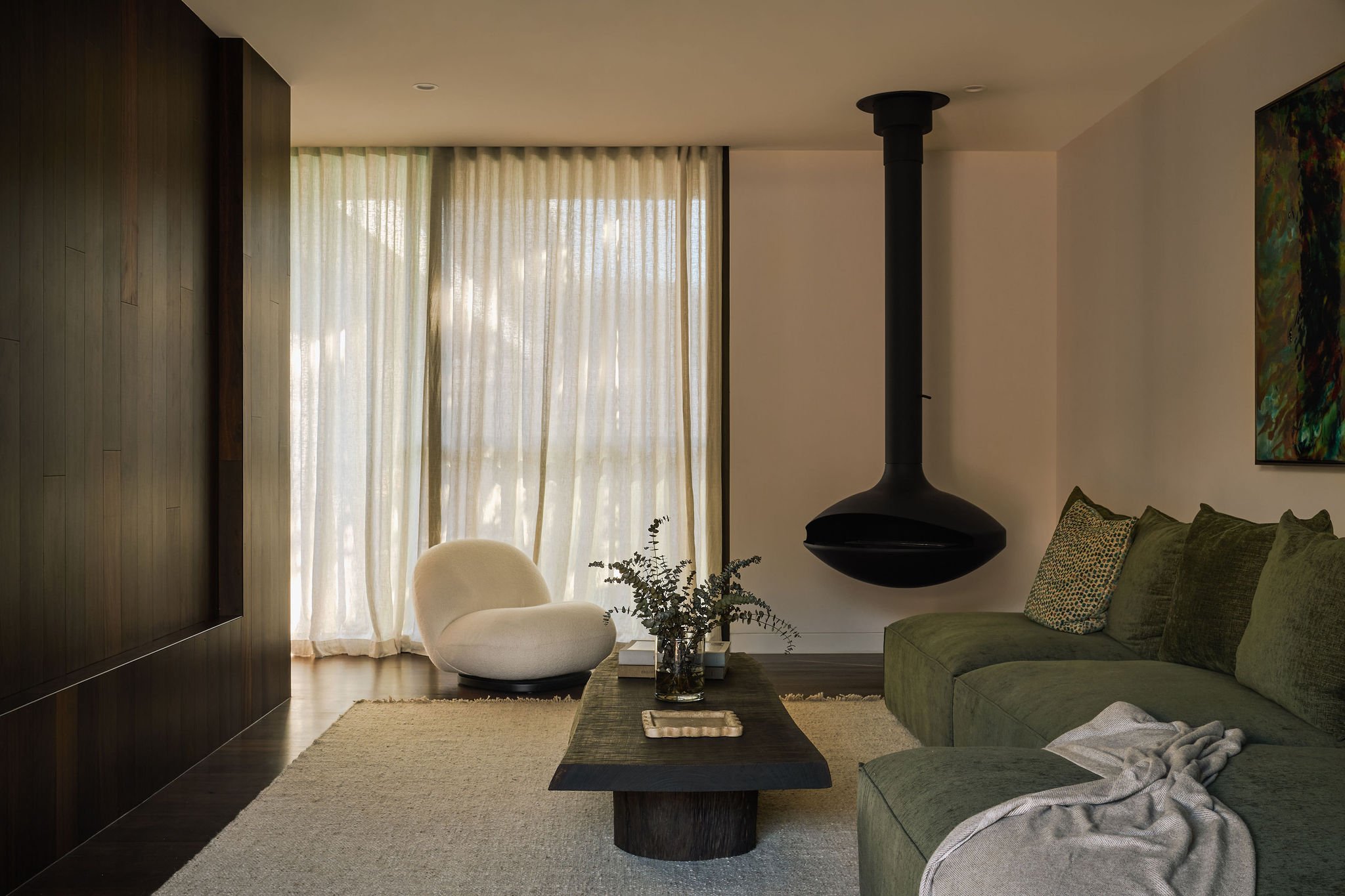
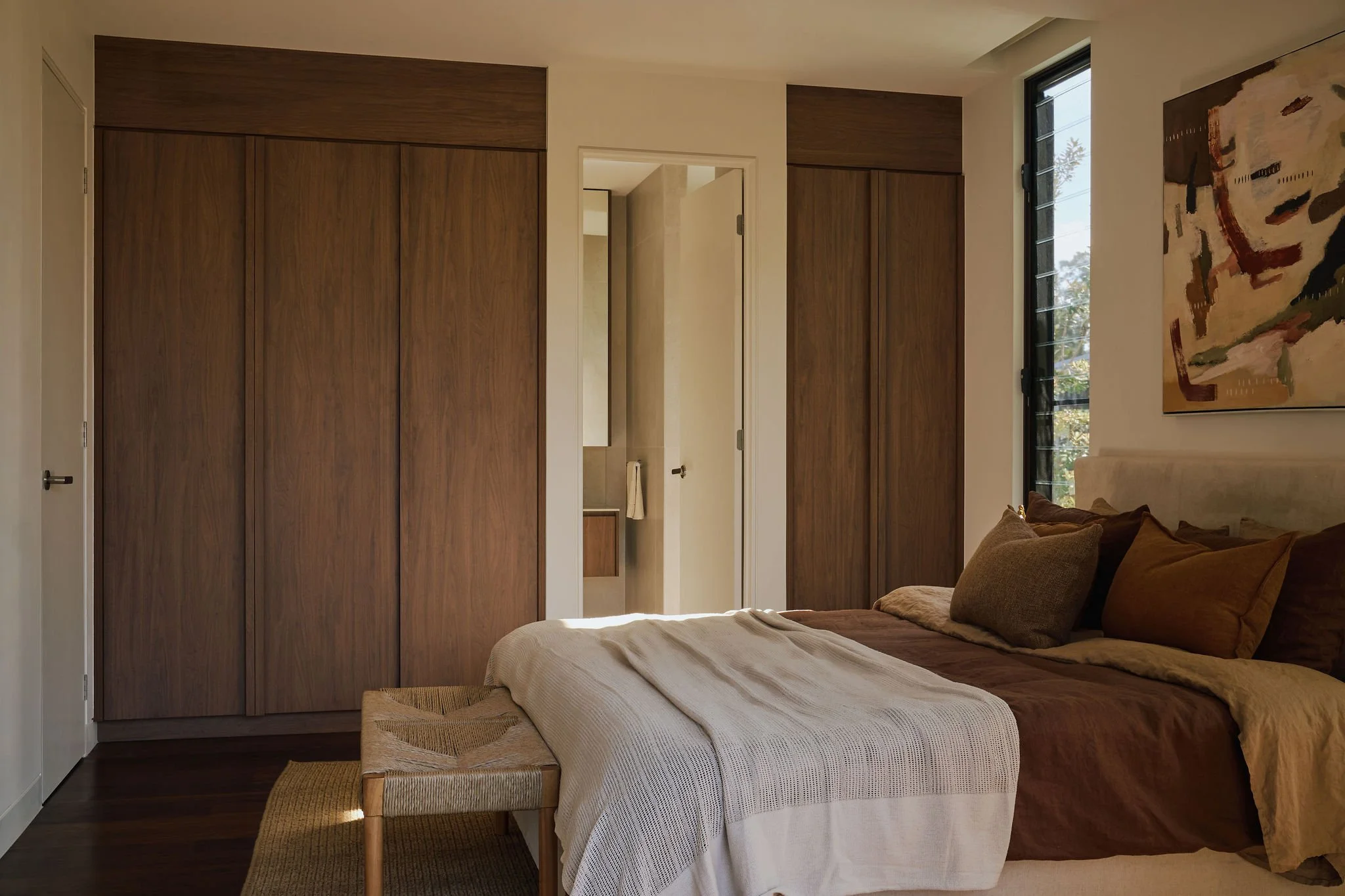
Tucked into Byron Bay’s coveted ‘Golden Grid’, this coastal duplex offers a relaxed take on architectural refinement—modern, pared-back, and deeply connected to its surroundings. Designed across two light-washed levels by an award-winning team of builders and architects, the residence balances clean geometry with a soft coastal rhythm, inviting in the day’s shifting light through expansive floor-to-ceiling glazing.
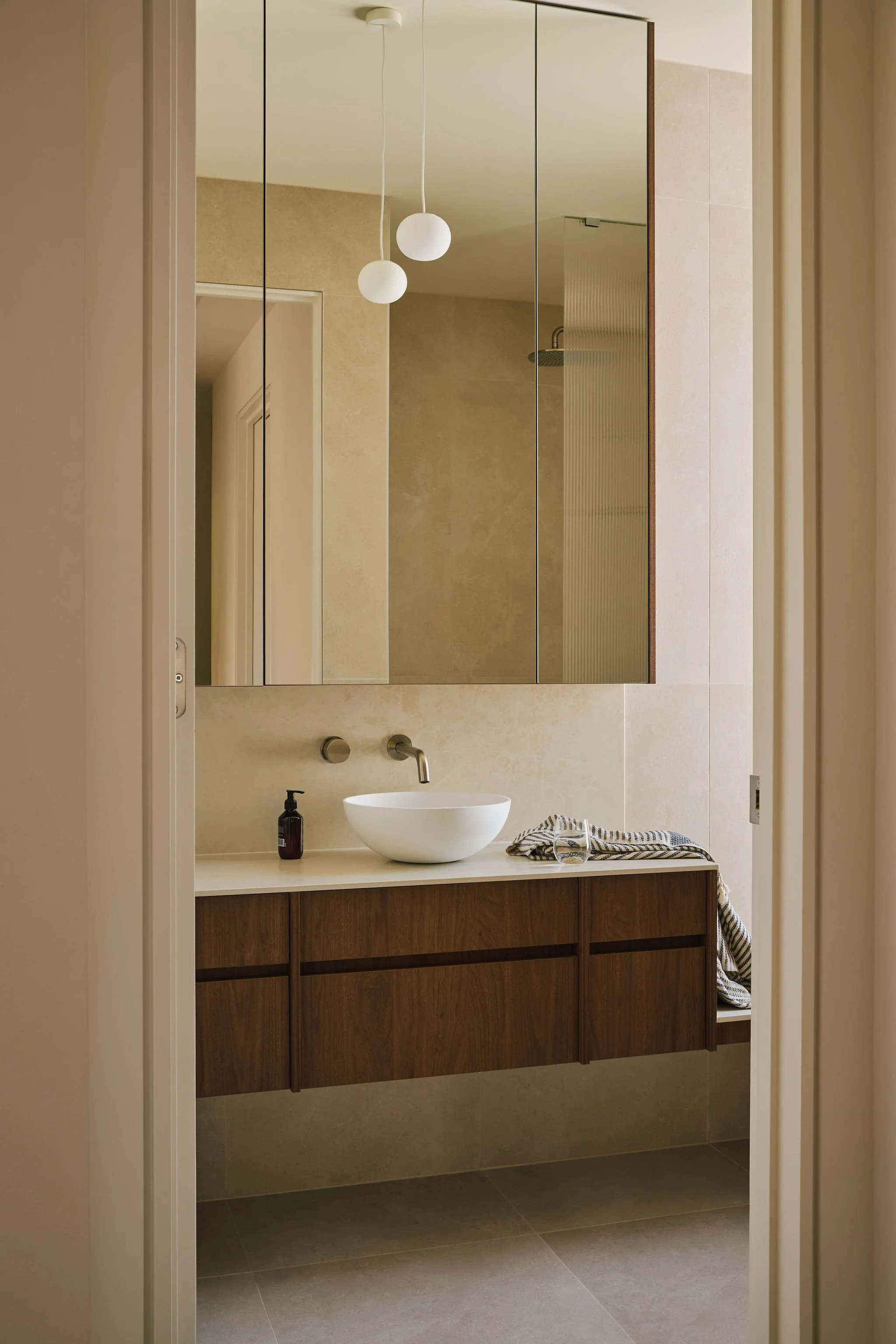
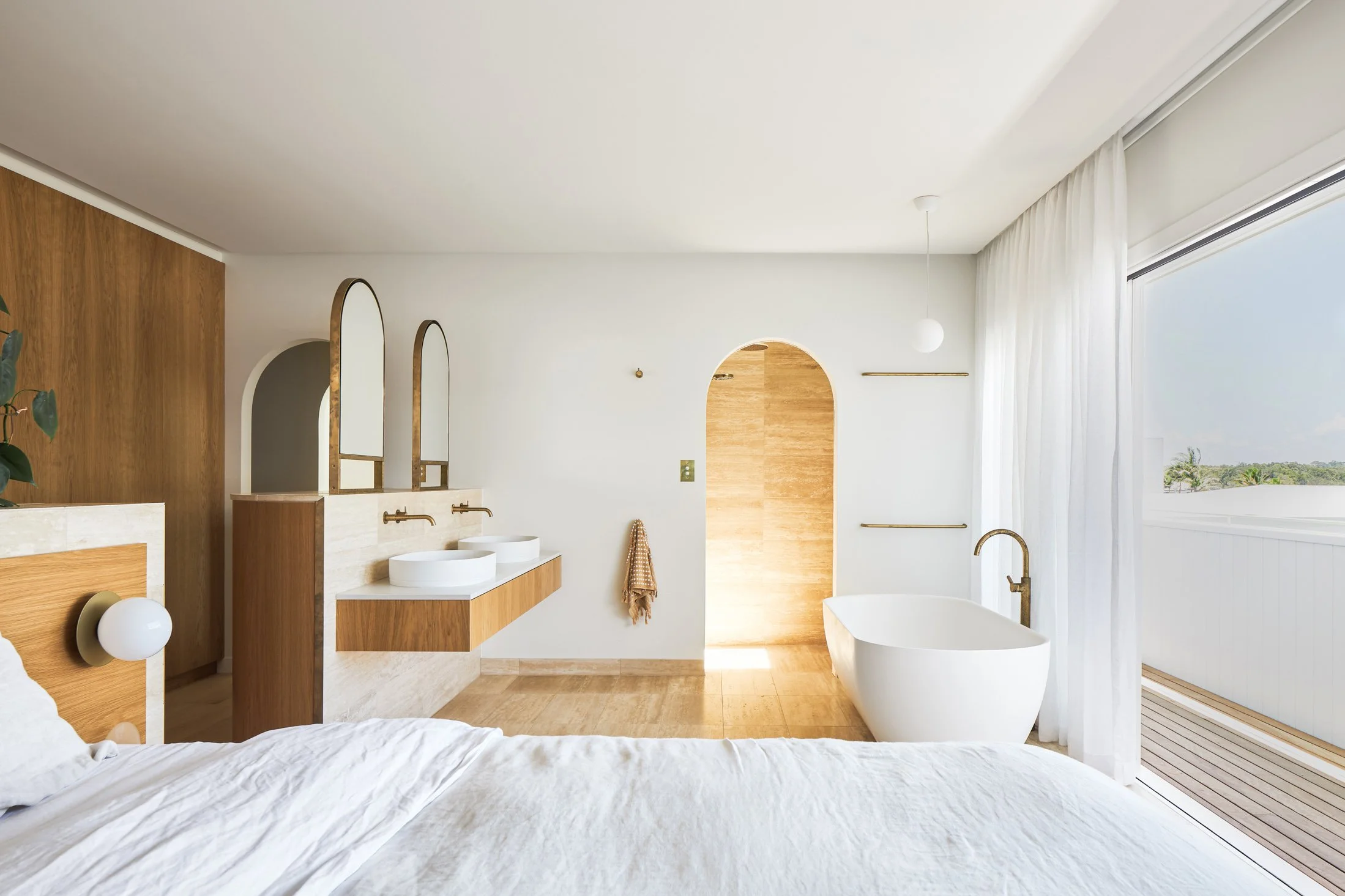
Inside, the planning is deliberate yet understated. Four generous bedrooms and four bathrooms unfold with a sense of ease, each space crafted to feel both grounded and luxurious. Two of the bedrooms are master suites, each with its own ensuite and custom walk-in robe, while all rooms spill out onto private balconies—framing quiet moments and sea air.
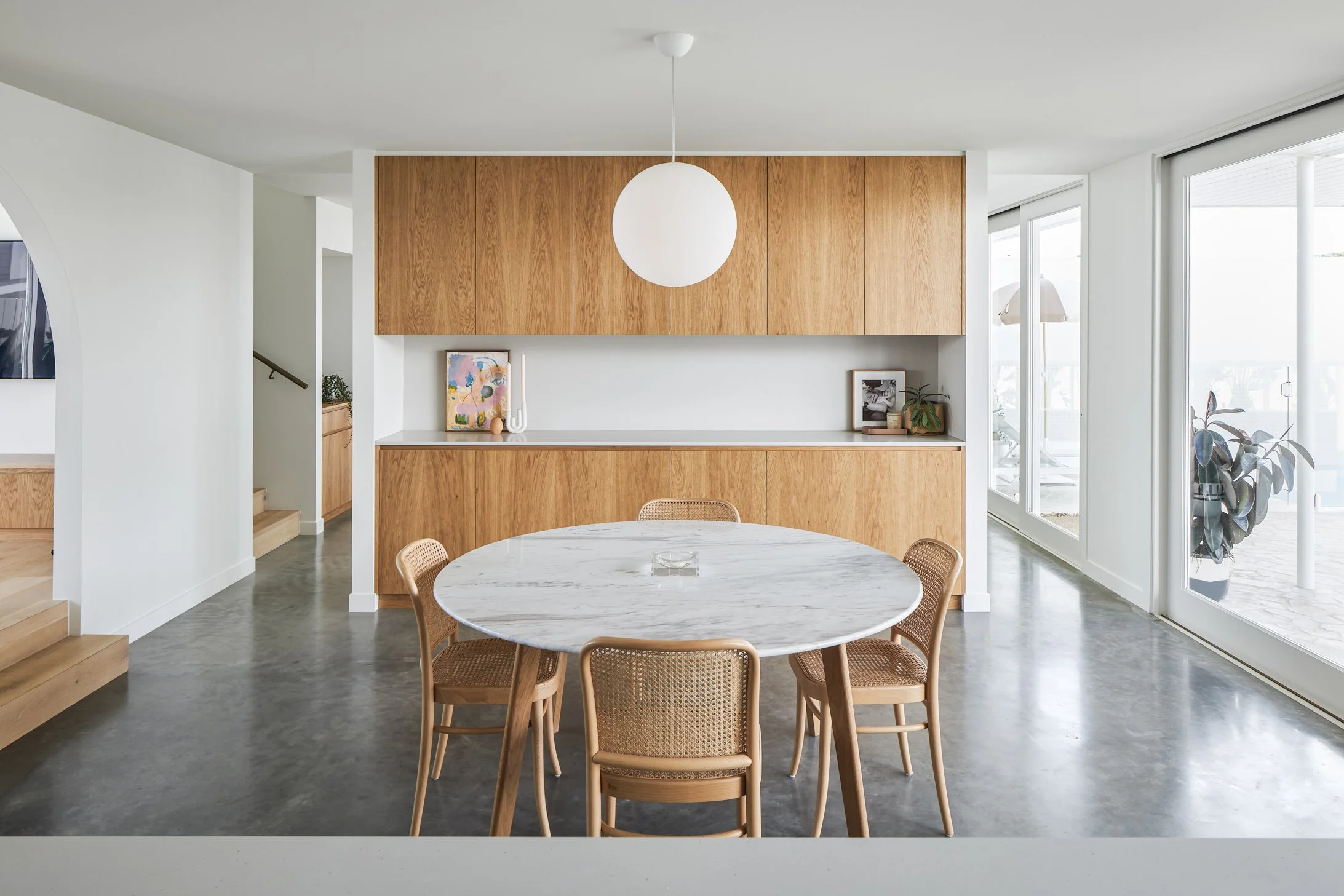
At the heart of the home, the open living and dining spaces are fluid and social, opening wide to a covered alfresco terrace with a built-in BBQ. Beyond, a landscaped garden wraps around a full-sized pool—an outdoor room in itself, perfect for long, slow afternoons.
Every detail speaks to comfort and considered living: ducted air-conditioning, a guest powder room, and an oversized double garage with built-in storage. Yet the luxury here is not just in finishes, but in flow—the seamless indoor-outdoor experience, the privacy, the orientation, and the proximity to Byron’s icons: Clarkes Beach, Bay Grocer, and the boutique buzz of Jonson Lane. It’s a home designed to live in lightly, with just the right amount of polish.
Project Team:
Michael Hogg
Louise Montgomery-Gronow
Photography:
Andy Macpherson
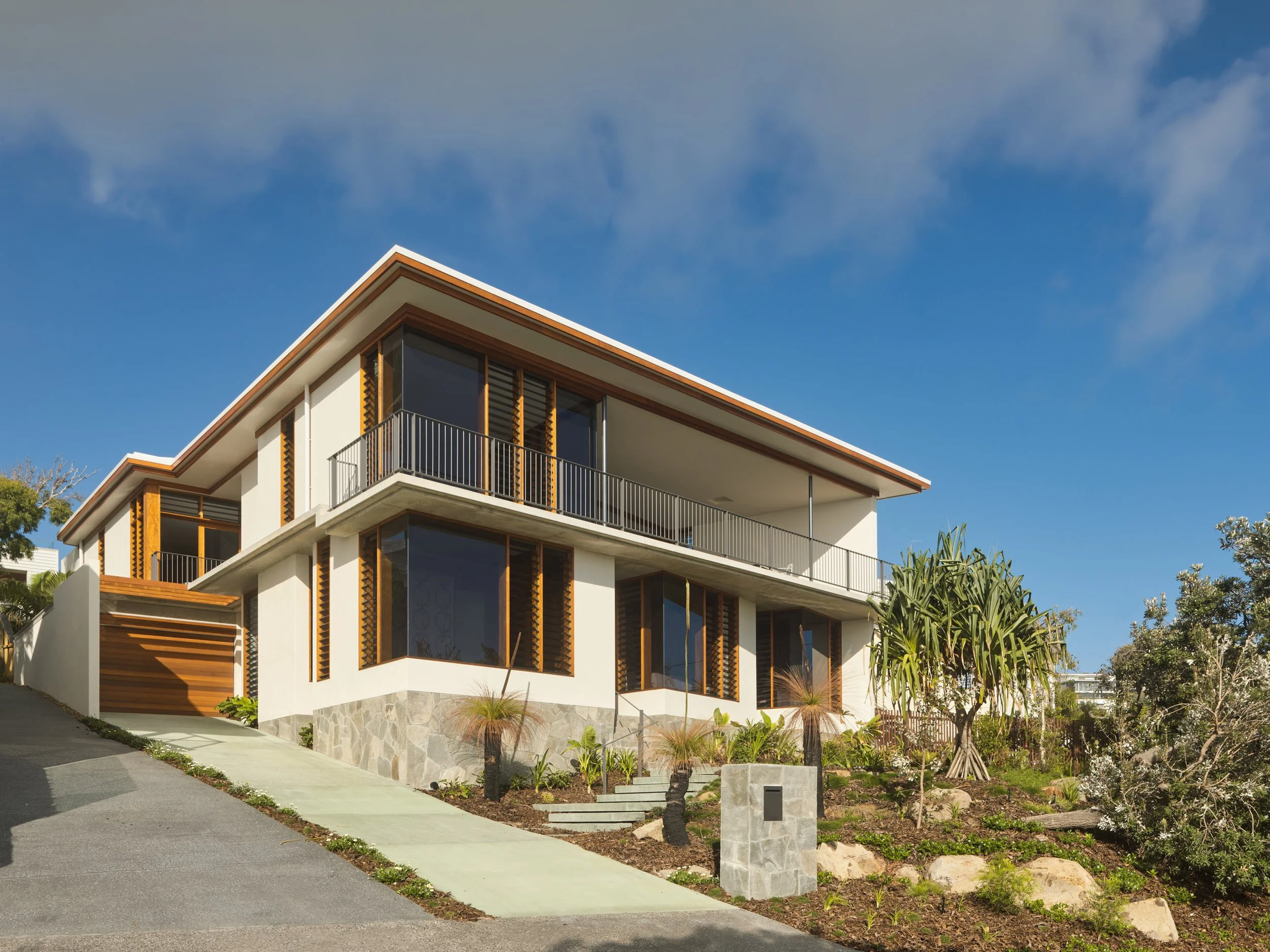
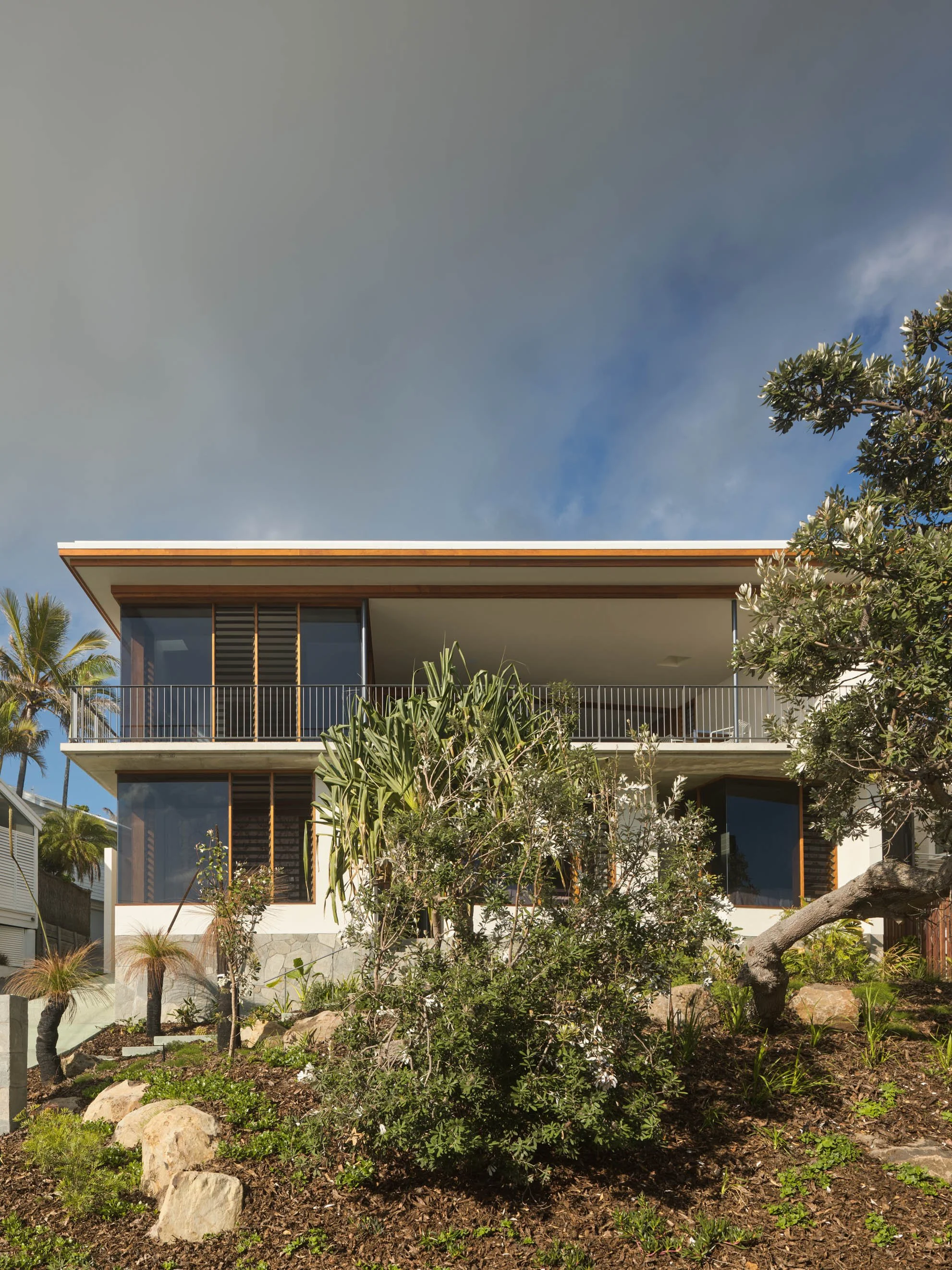
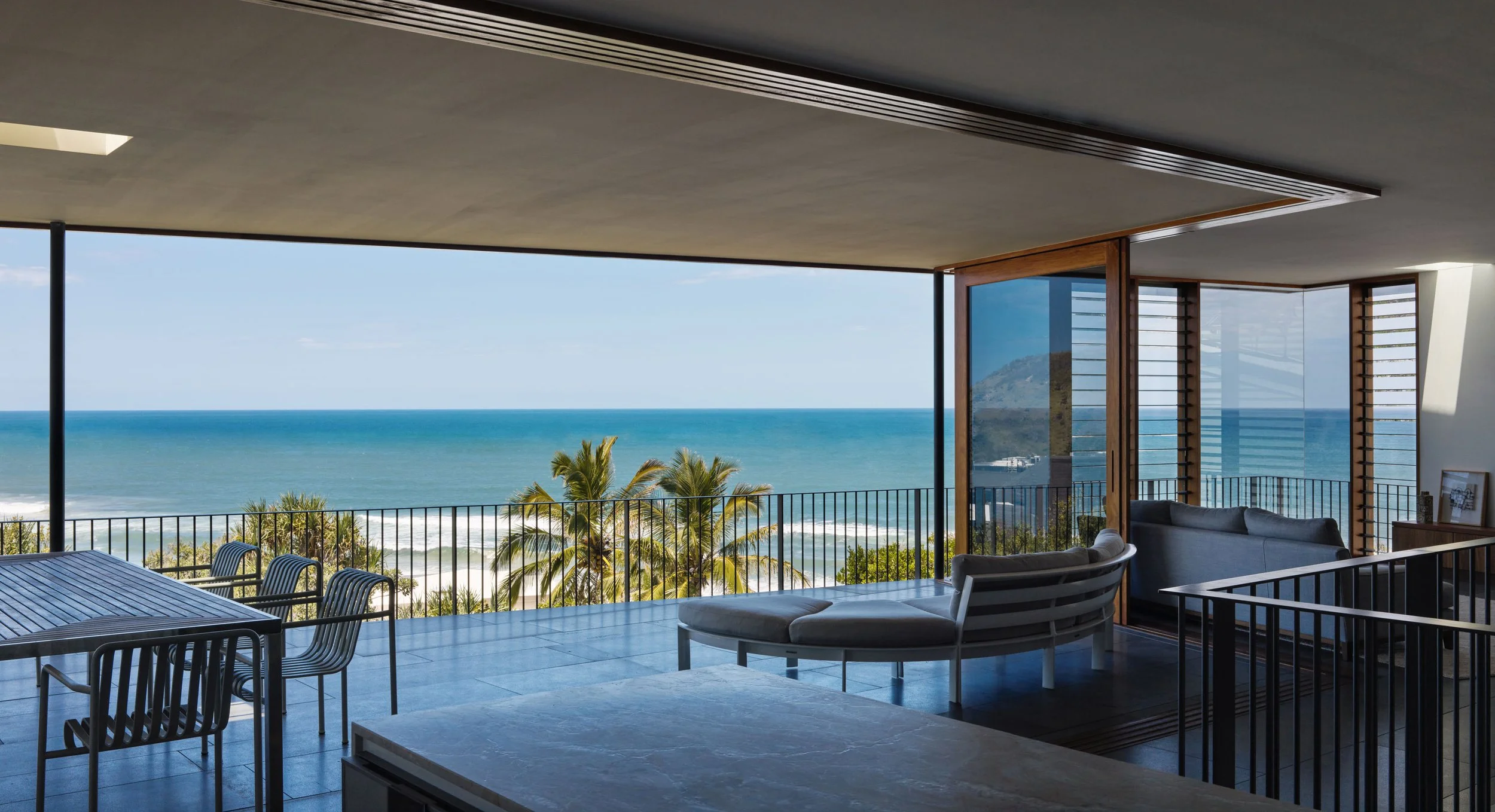
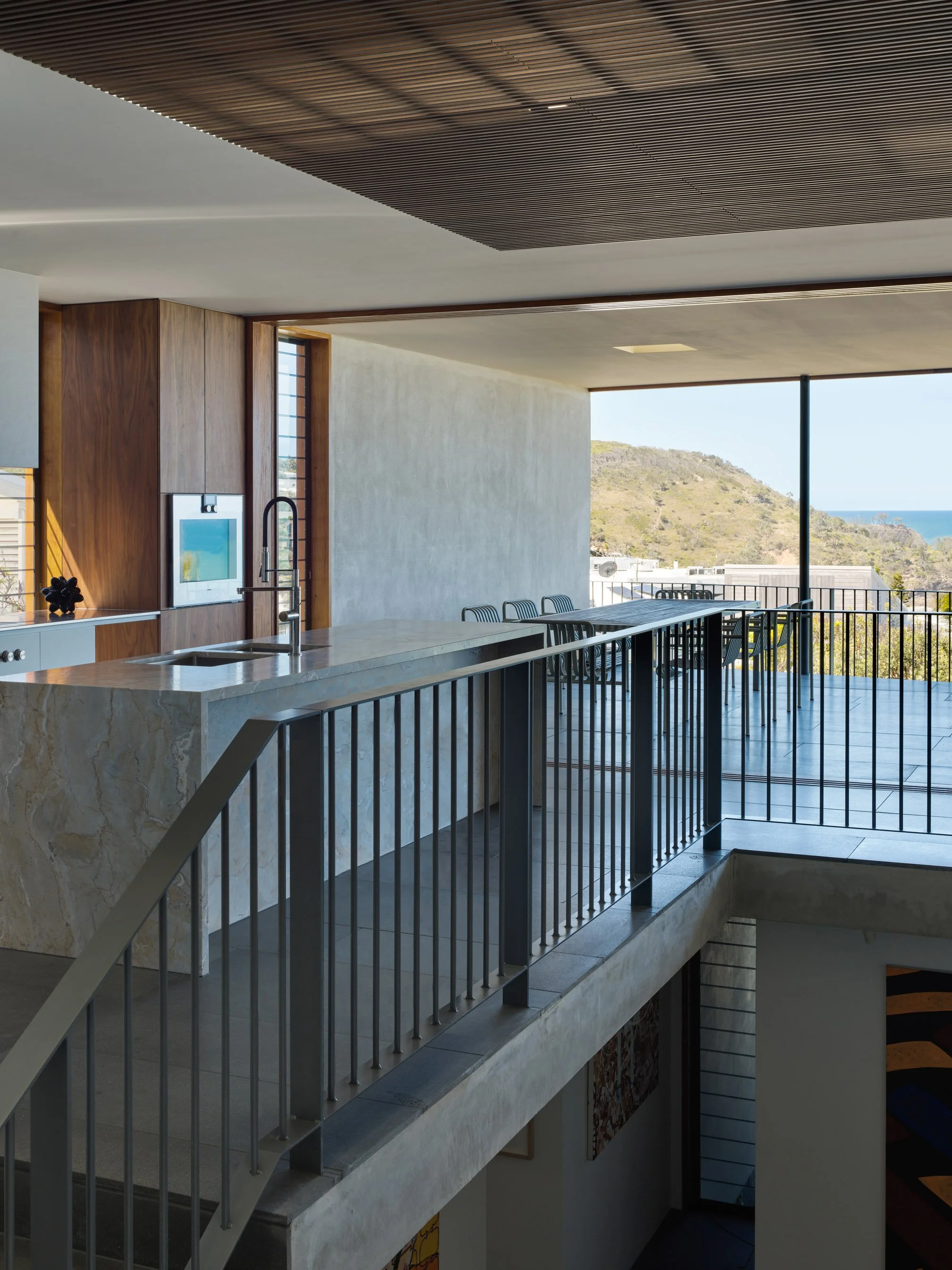
The J&M House is a hybrid building typology that combines the characteristics of an art gallery, holiday accommodation, and a residential home within an idyllic sub tropical setting.
This multifunctional structure serves as a low-maintenance beachside residence, while also presenting a sophisticated art gallery space to showcase a large private collection of artworks.
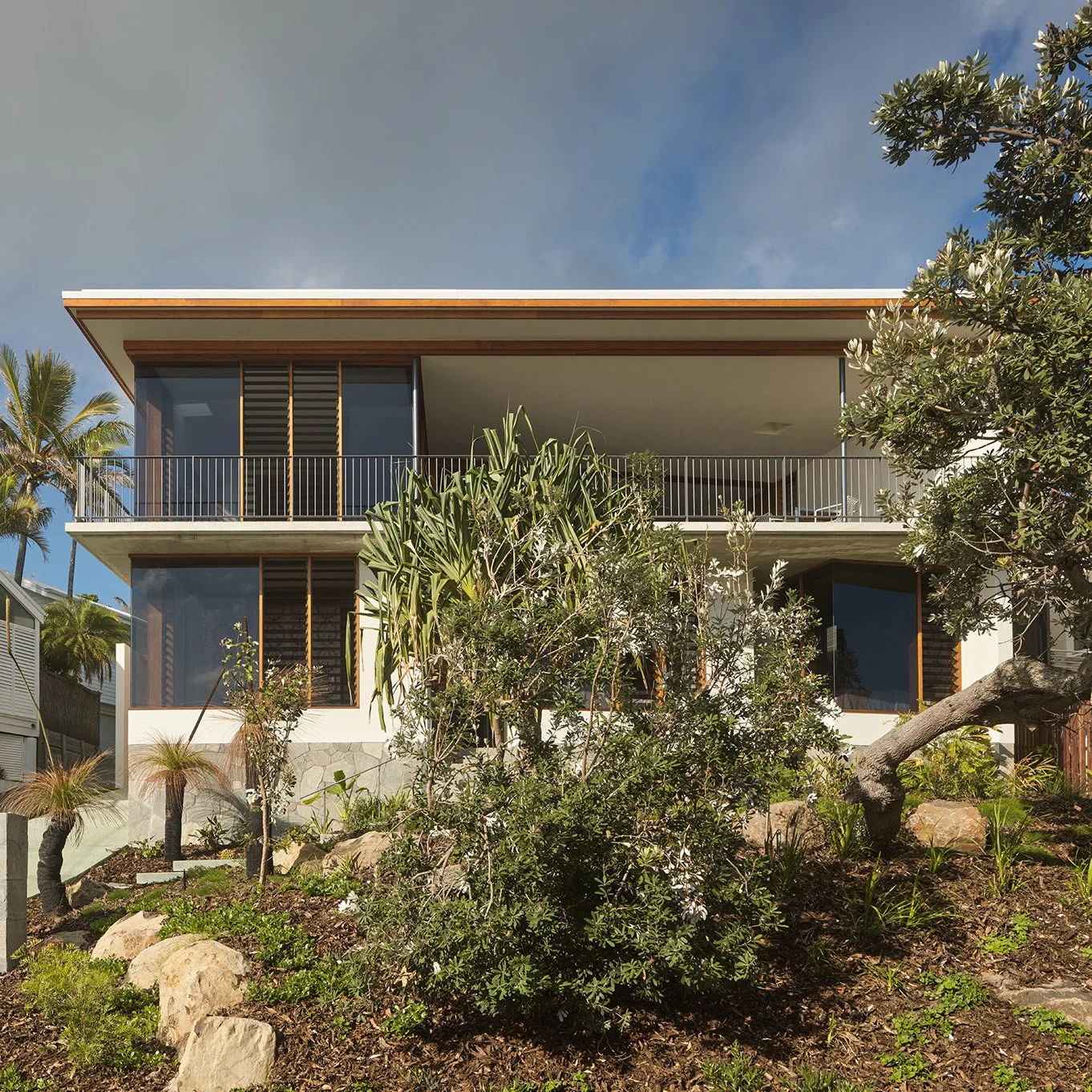
On an exposed hillside overlooking the Pacific Ocean, the house captures breezes and views while protecting from wind and rain, to create a shelter for daily life in the sub-tropics.
With private hotel-style rooms and communal indoor and outdoor areas linked by a central gallery, the J&M House is ideal for hosting large gatherings and holidays with an extended family of sons, daughters, and grandchildren. The building is perfectly suited to the sub-tropical climate and offers its residents a unique experience, surrounded by art in their beachside home.
We acknowledge the Kabi Kabi people as the traditional owners of the Country on which this project is built.
Project Team
Michael Hogg
Tim Hajnady
Kasia Jarosz
Photography
Christopher Frederick Jones
Awards
AIA Regional Awards - Regional Commendation - Residential Architecture
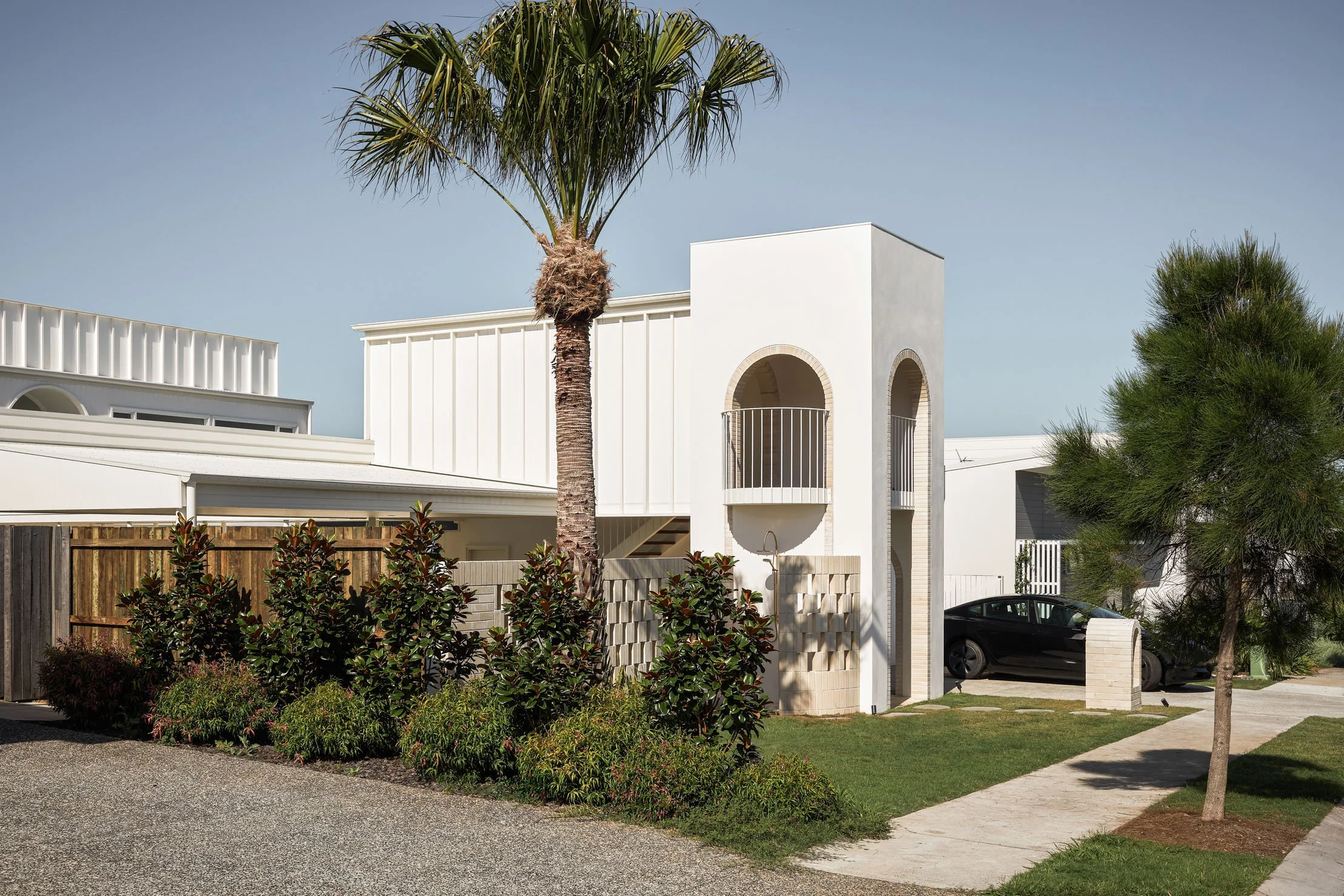
Located in a coastal sub-division of Northern NSW, arca.house offers a sanctuary for family life, designed within the Greenfield Housing Code. Emphasizing outdoor living spaces, both covered and open to the sky, the house prioritizes a private, tropical oasis over maximum GFA.
With a collection of north-facing indoor and outdoor spaces that cater to both individual and communal activities, arca.house provides a setting for household dynamics, with a focus on outdoor living in a sub-tropical setting.
arca.house aims to maximize the client's budget and minimize the building footprint by utilising a combination of low-cost materials and construction methods with a highly efficient plan and compact design. This approach emphasizes outdoor living while preserving resources in a region with notoriously high construction prices.
The inclusion of a separate studio apartment offers the clients flexibility and versatility in their living arrangements, allowing the family to evolve without additional renovations to the building.
We acknowledge the Bundjalung People people as the traditional owners of the Country on which this project is built.
Project Team
Michael Hogg
Tim Hajnady
Photography
Andy Macpherson
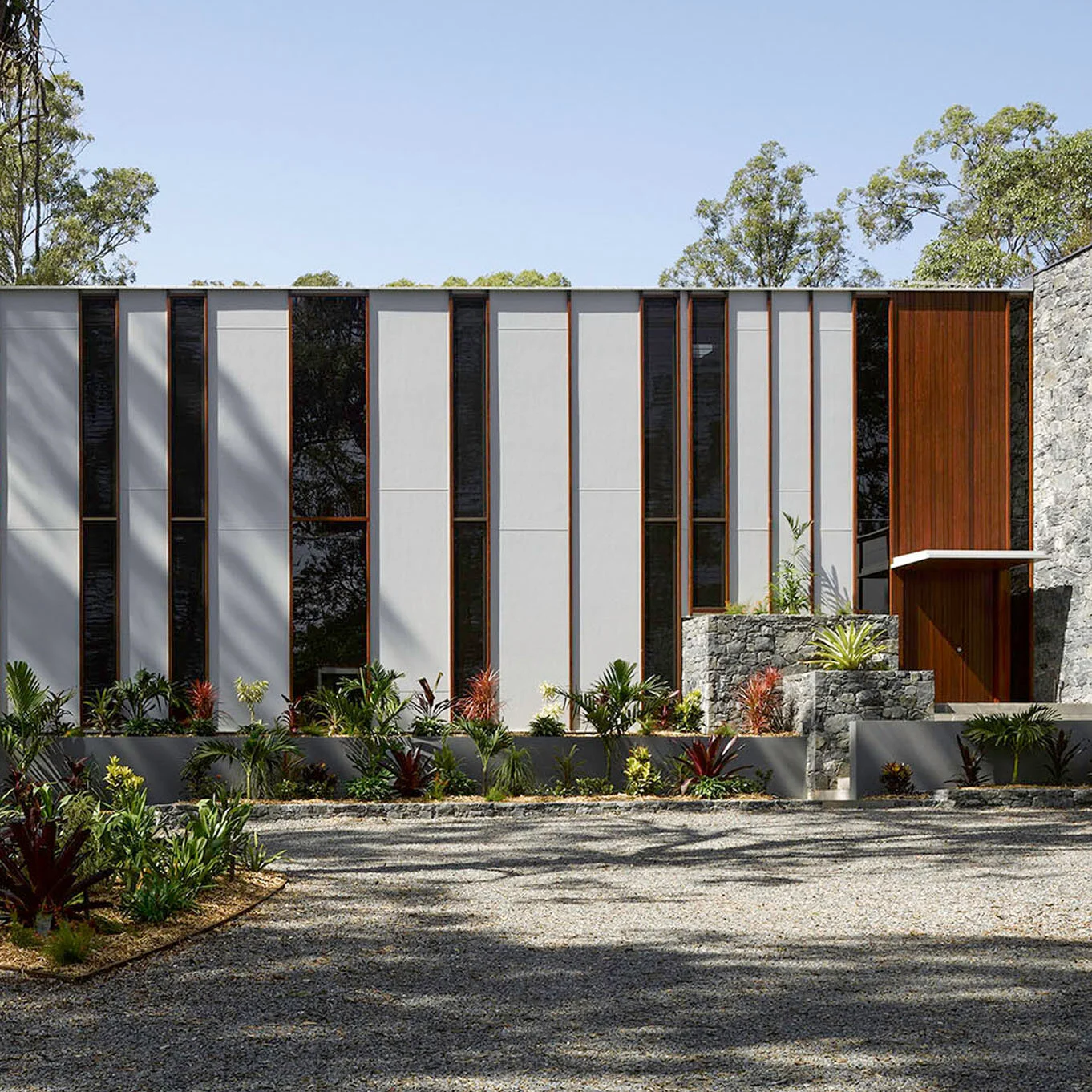
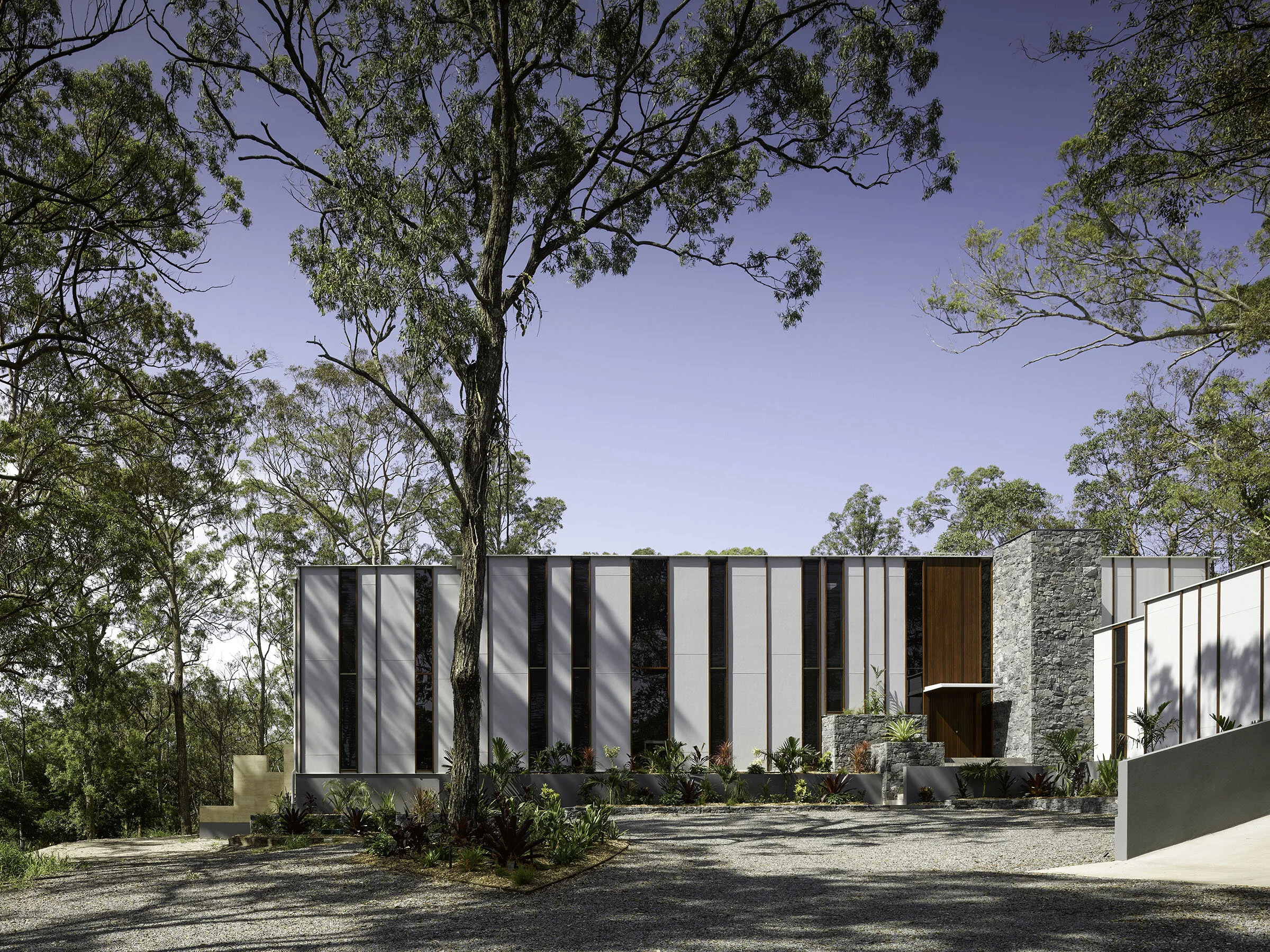
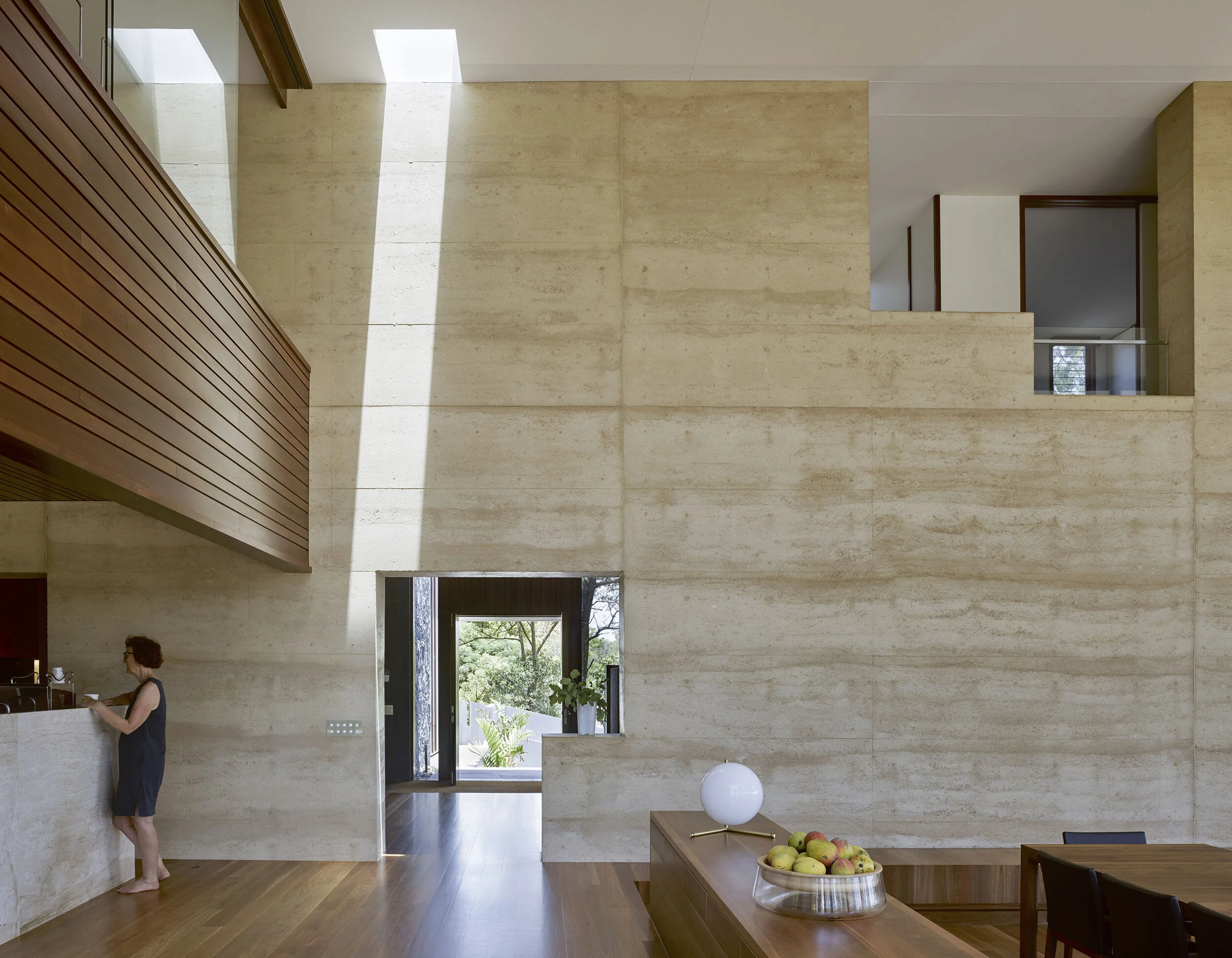
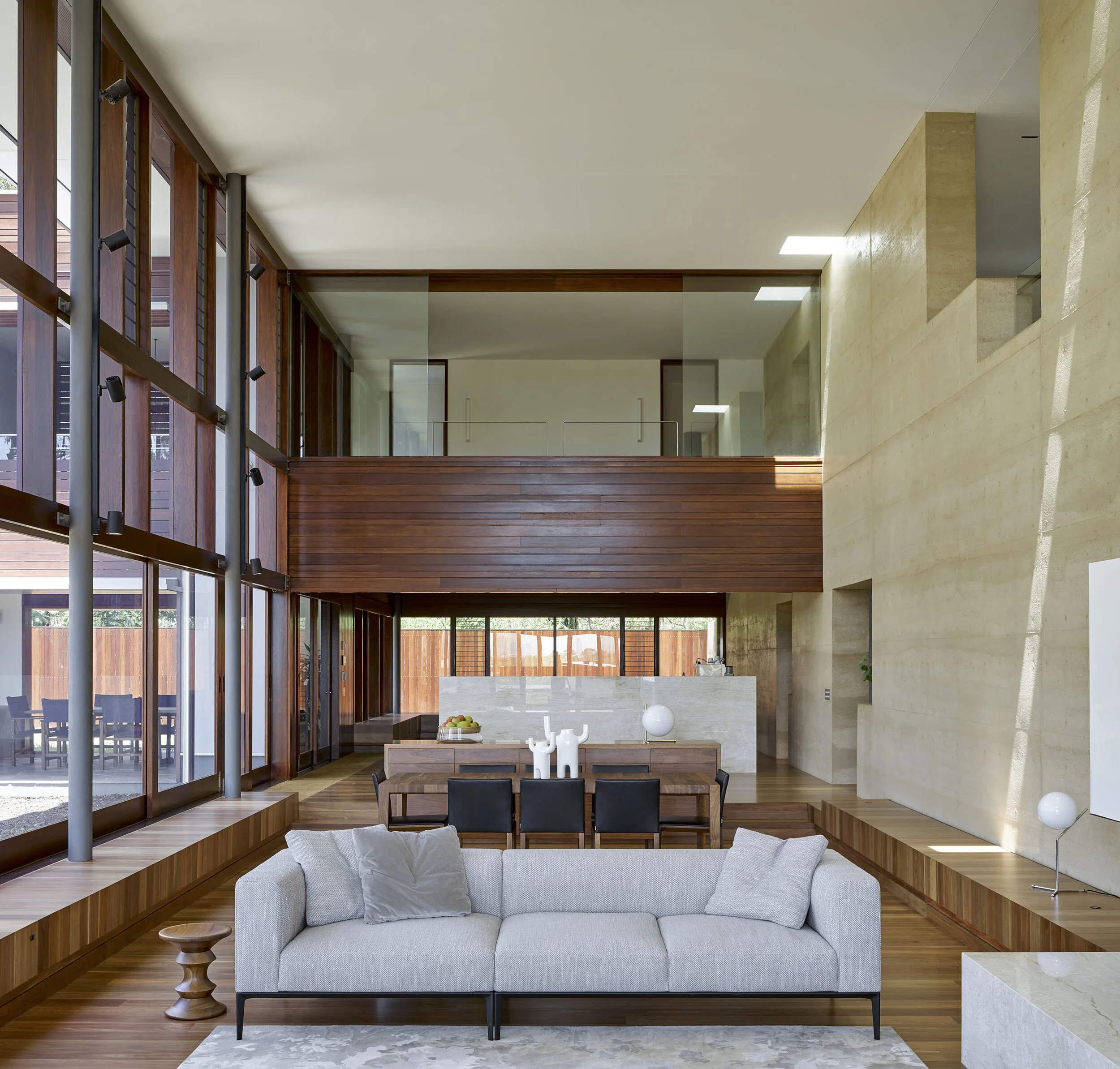
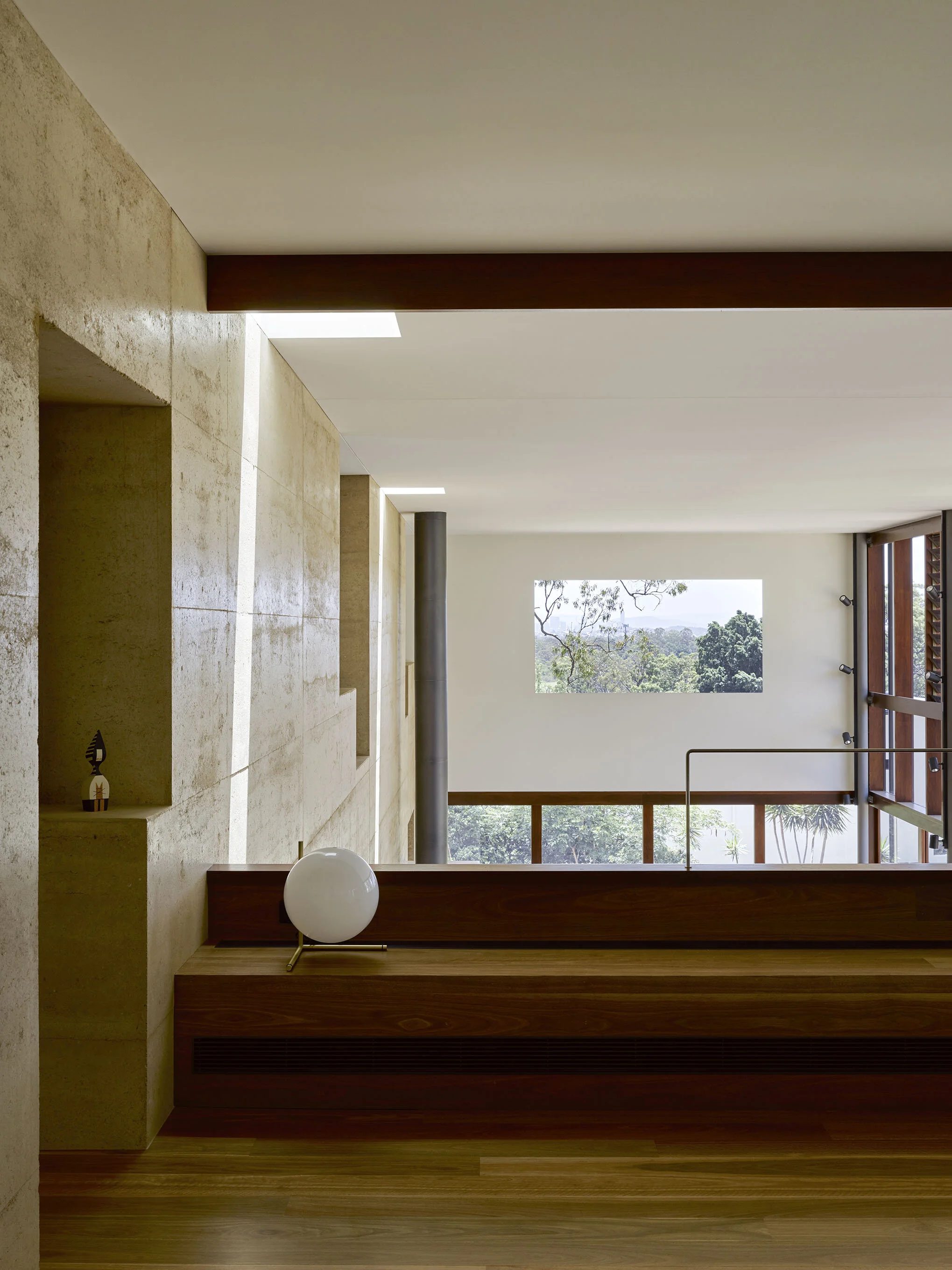
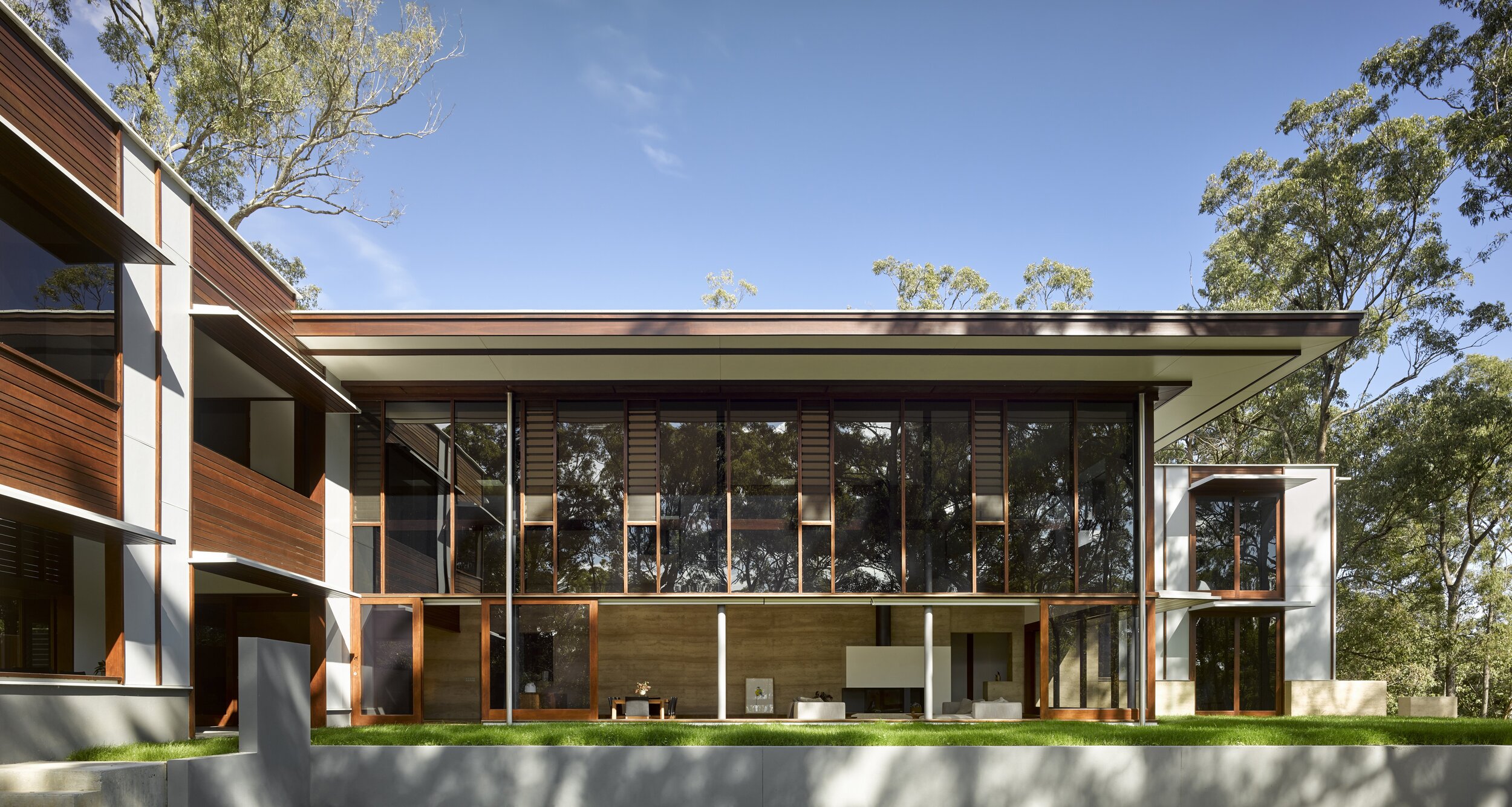
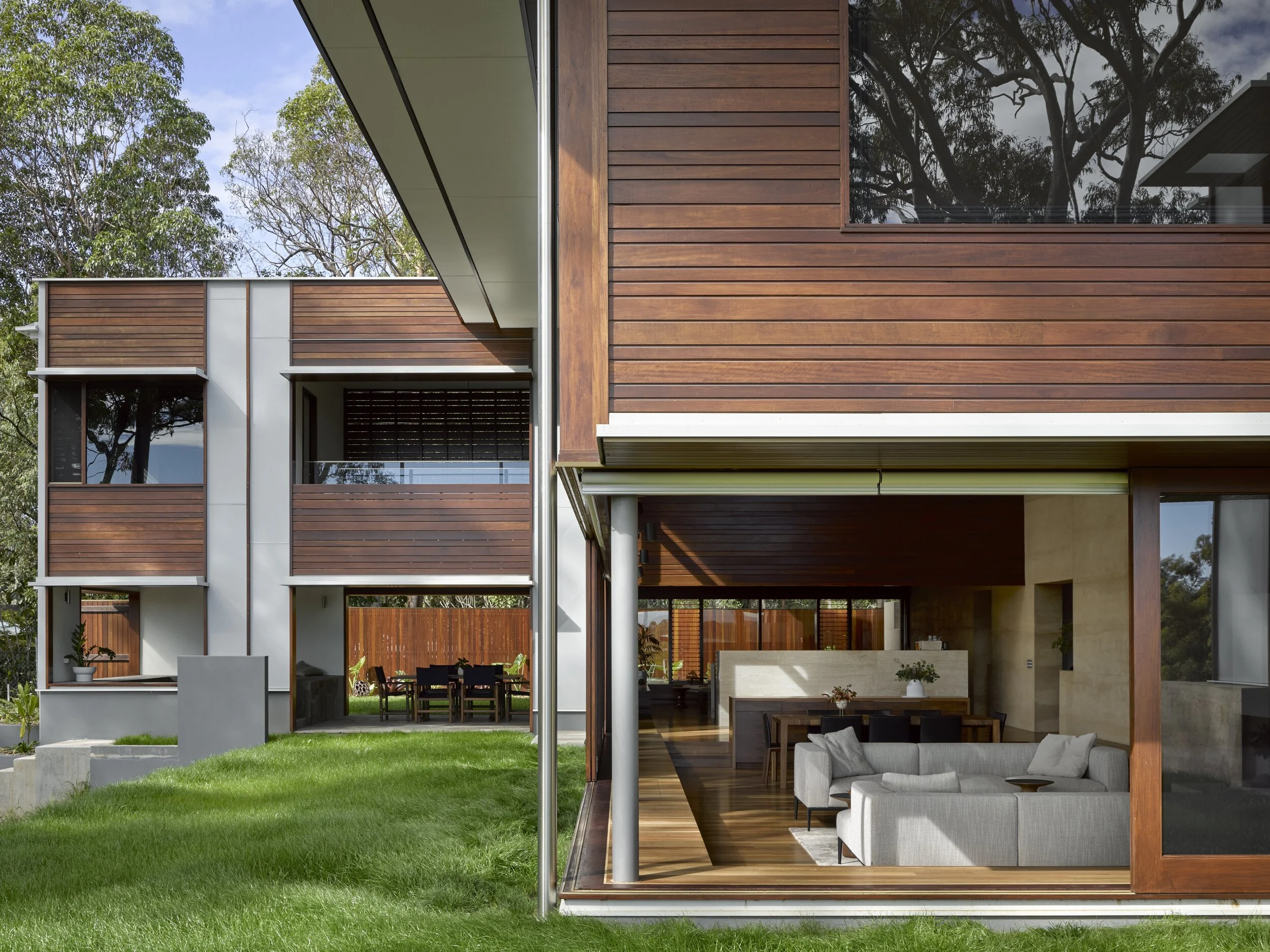
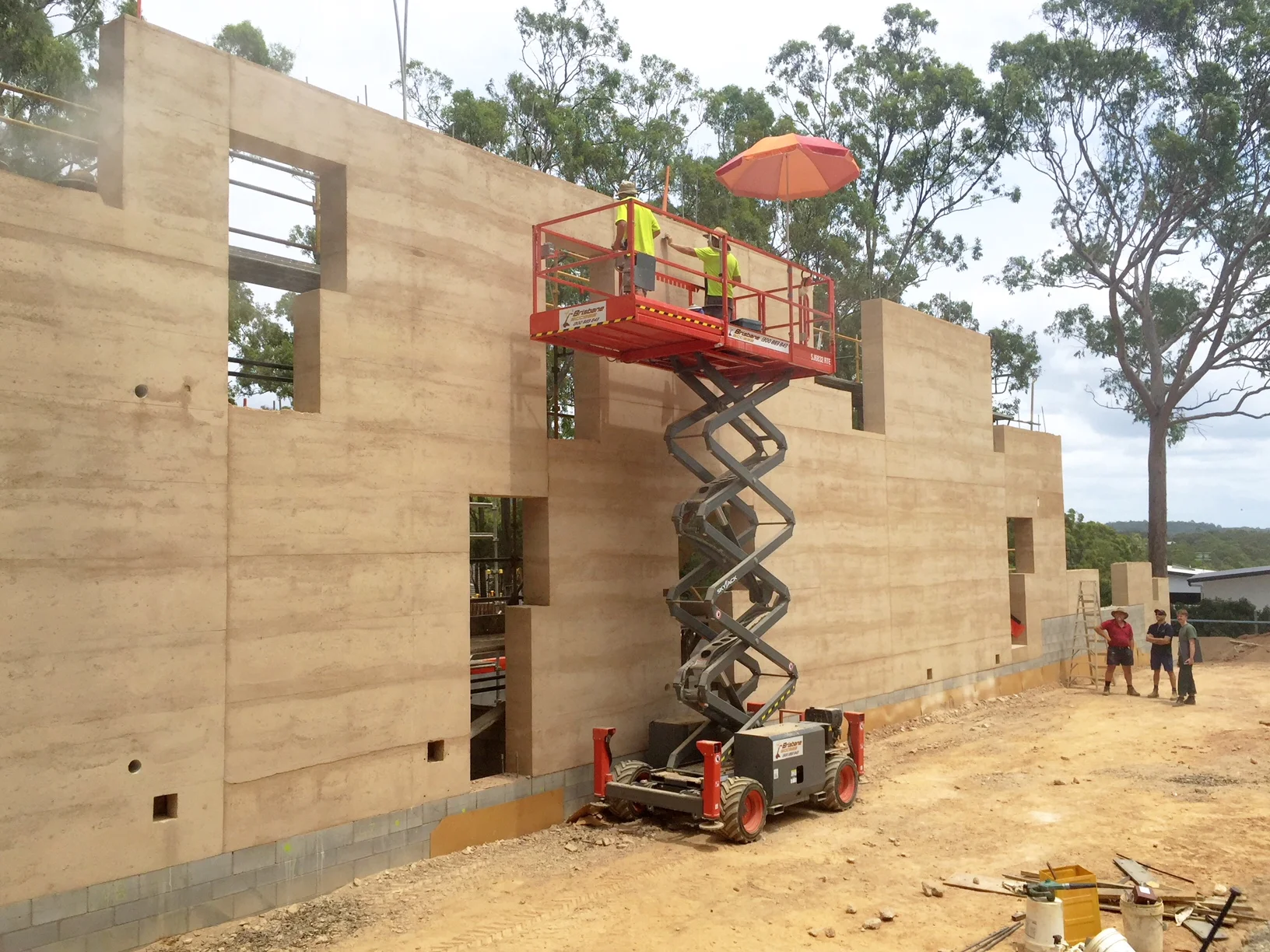
Incorporating a 75-tonne rammed earth wall, the J&J Residence utilises a series of vertical internal ducts that connect the roof space to a sub floor ventilation system, creating “Activated Thermal Mass”.
In the winter months, hot air is collected in the roof space and slowly pumped through the wall to actively warm the thermal mass. During summer nights, “Skycool” conductive paint cools the roof space. Before daybreak, when the air is at its coolest, it is pumped through the wall, reducing its temperature.
This activated system greatly improves the effectiveness of thermal mass to maintain optimum internal temperatures year around.
An on-site aerated wastewater treatment system (AWTS) converts all human waste to water for garden and landscape irrigation.
A large solar array and underground watertank reduces reliance on offsite supplies.
The use of low-e glass, deep overhangs to the north and heat reflective blinds reduces energy input.
Project Team: Michael Hogg, Greg Lamb, Kasia Jarosz, Lucia Castro Peres, Chris Kotmel, Sam Charles Ginn
Photography: Christopher Frederick Jones
Awards:
AIA Brisbane Regional Awards, Regional Commendation, Residential Architecture
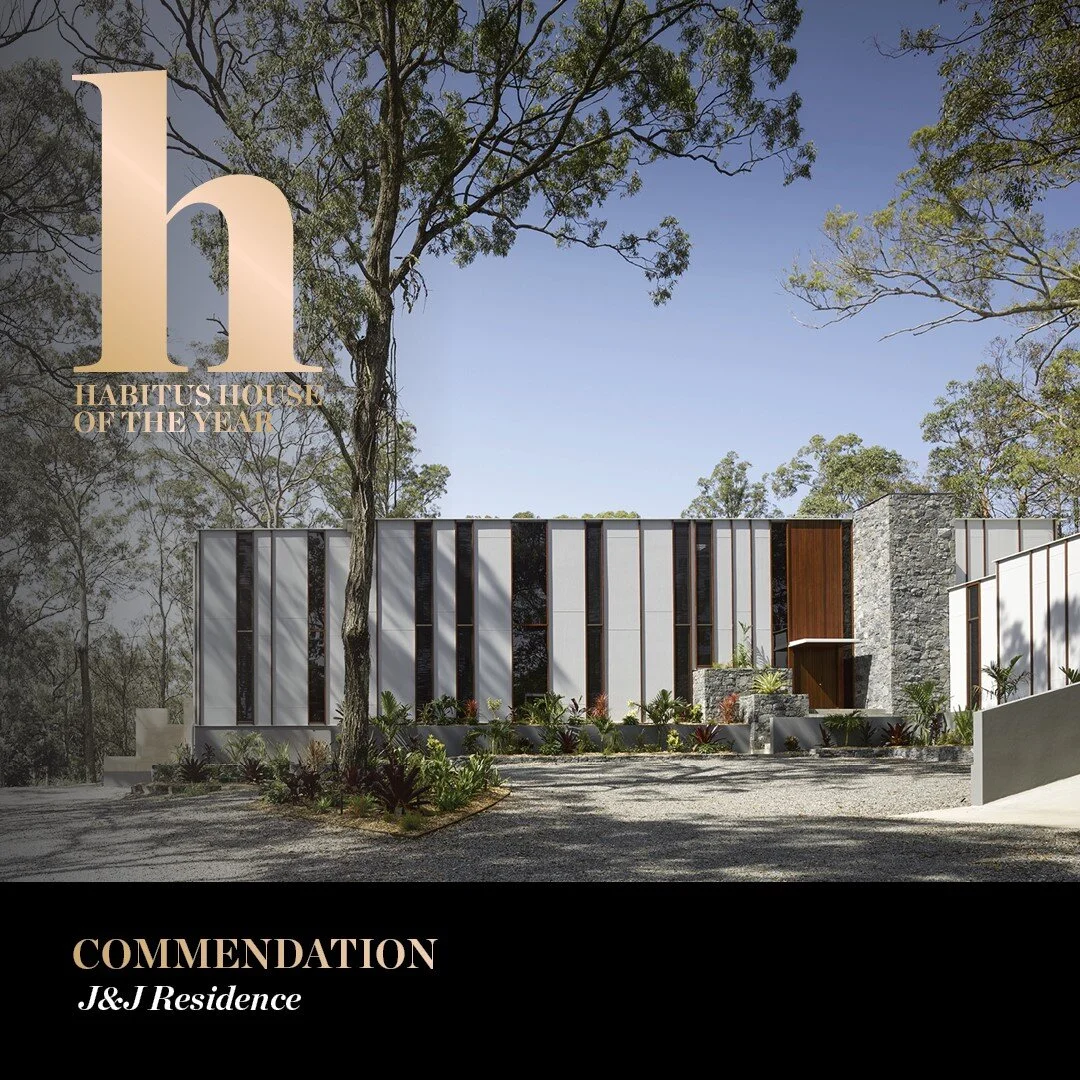
Habitus House of the Year, Commendation
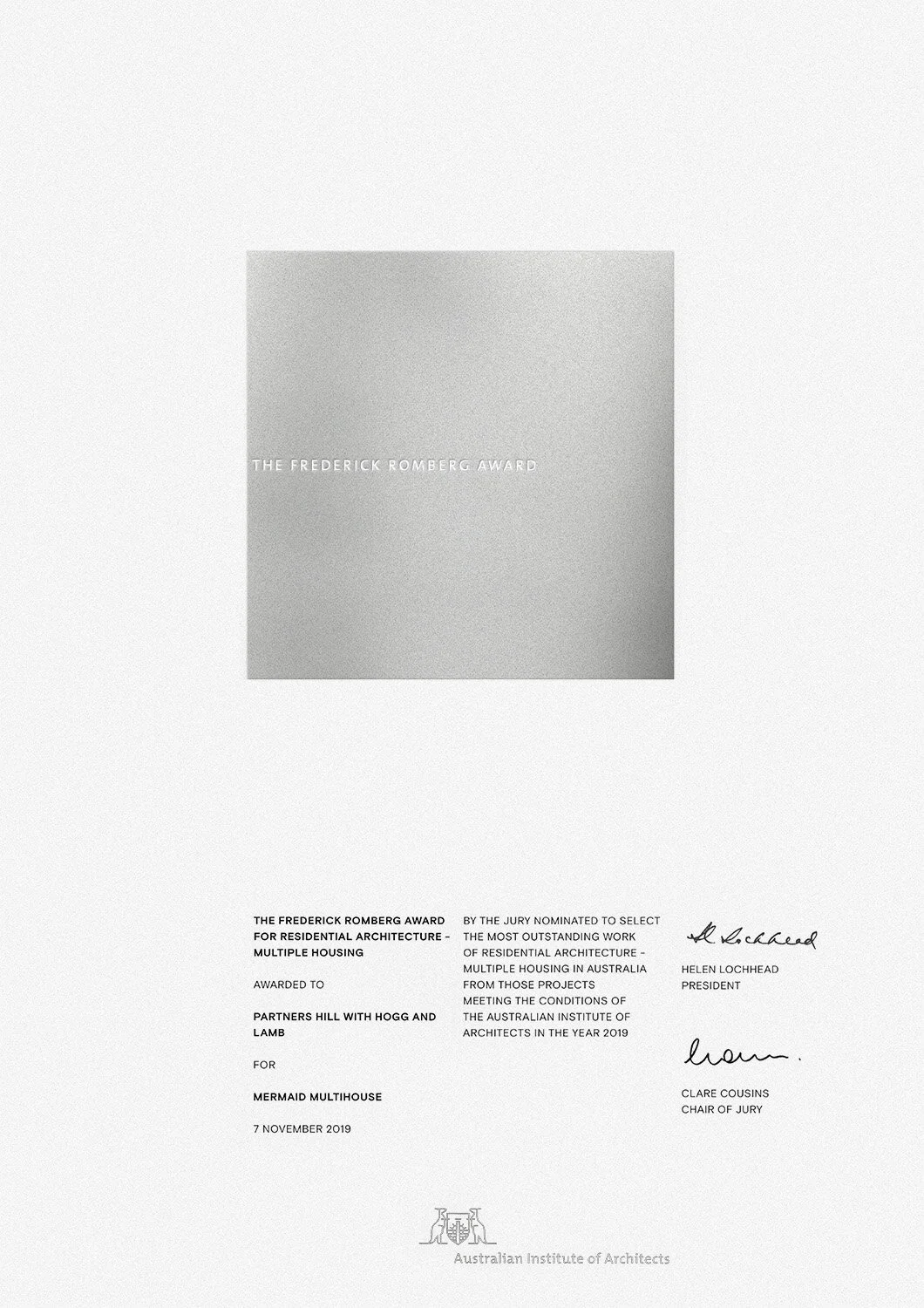
Undertaken by Partners Hill with Hogg&Lamb
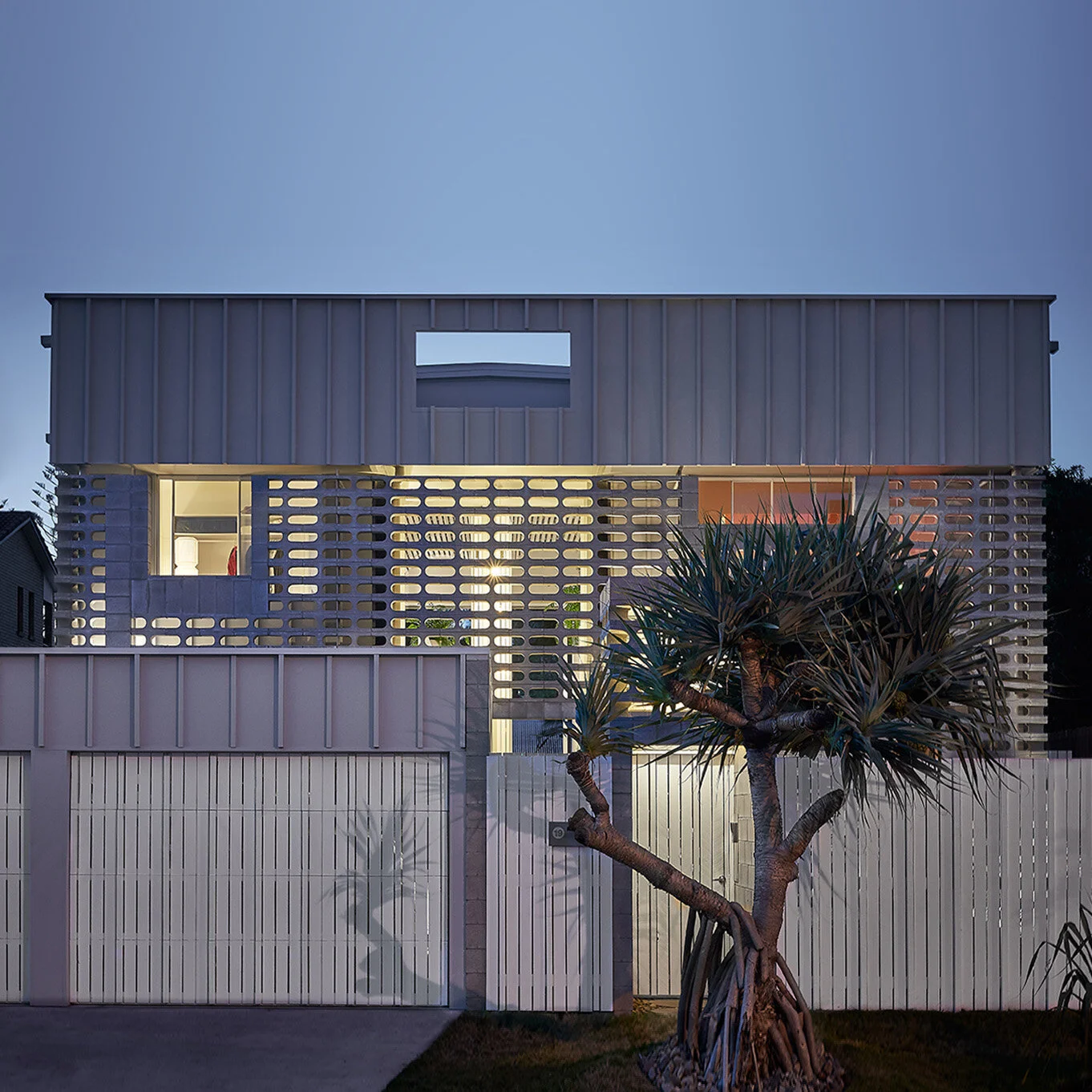
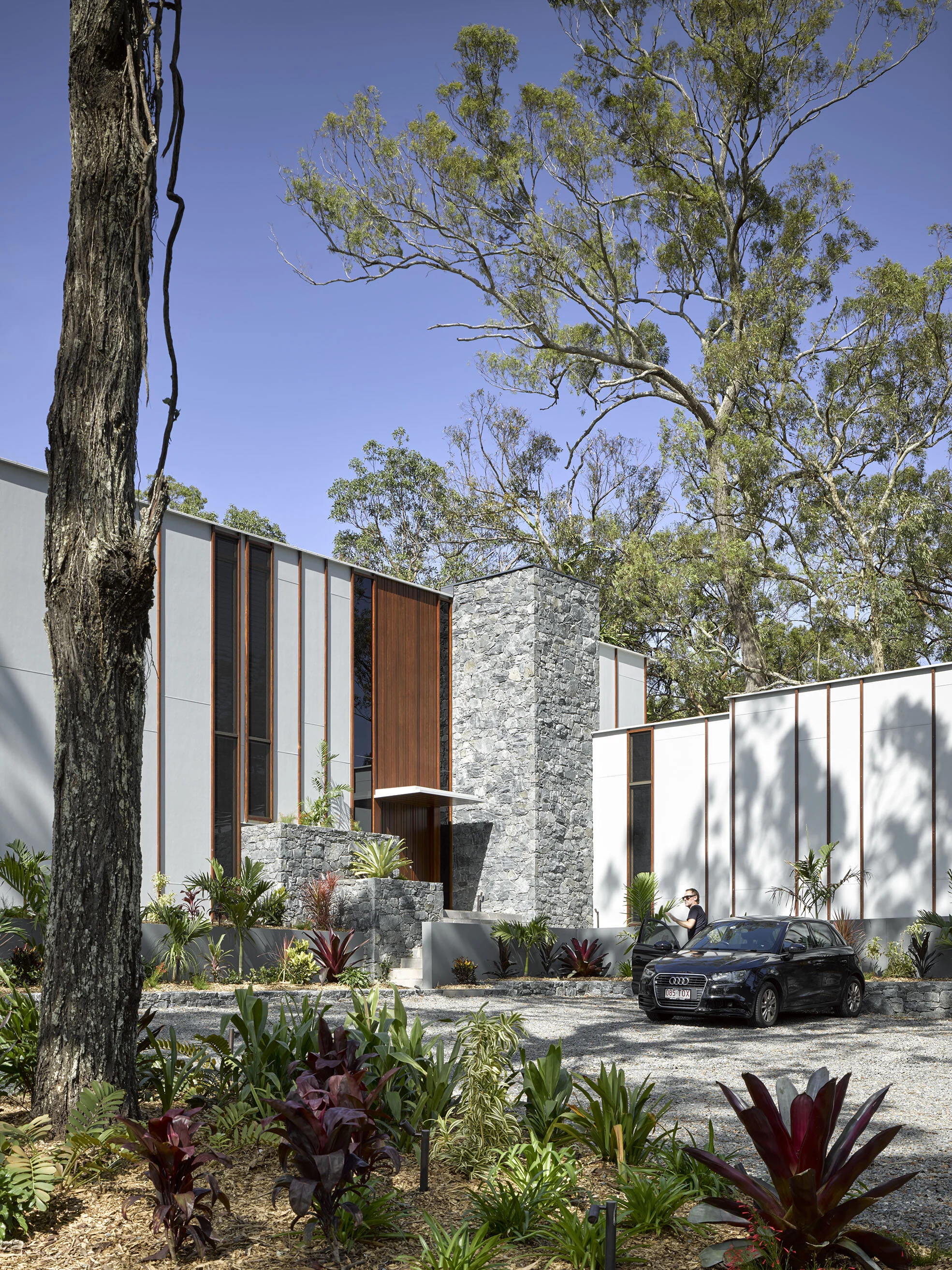
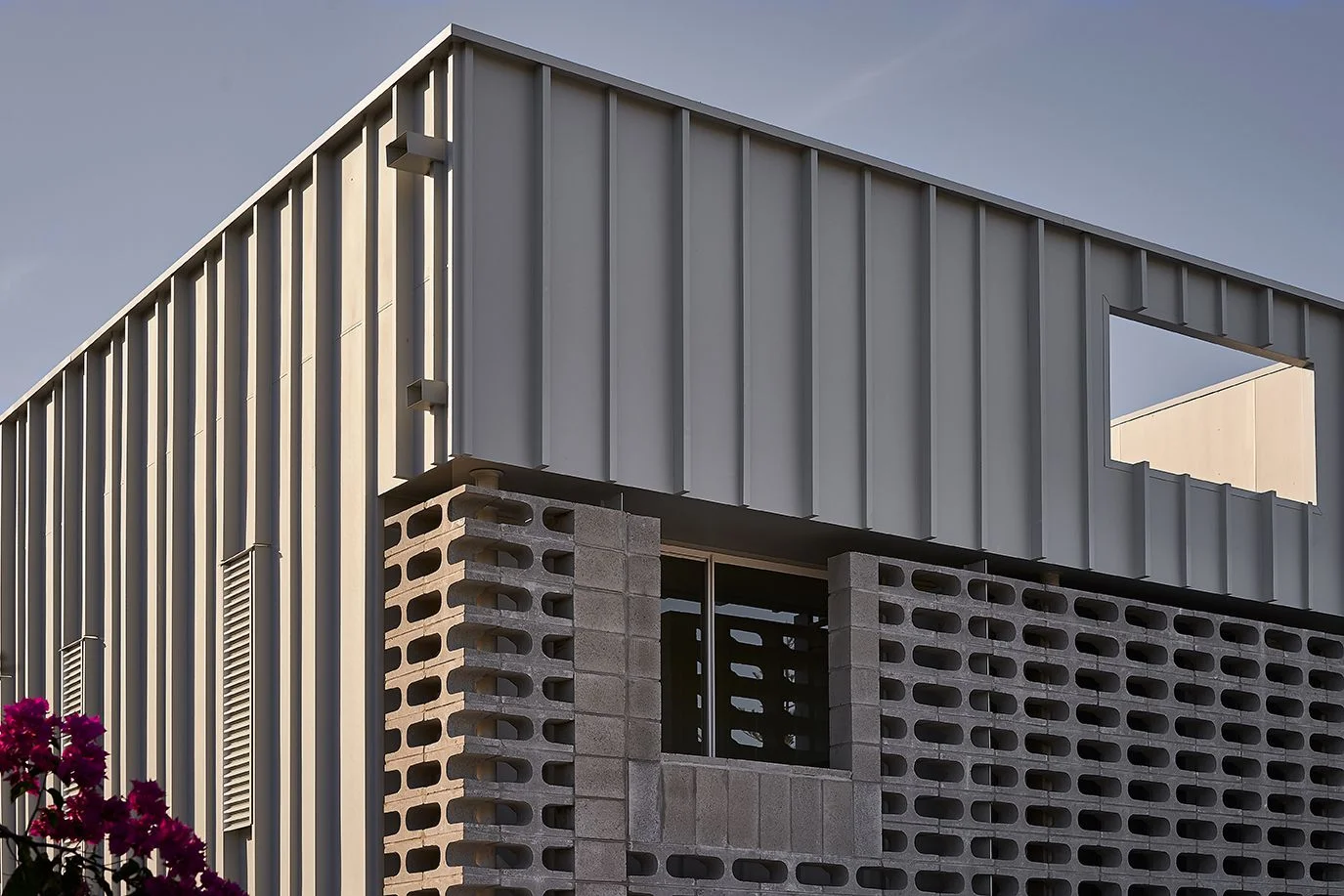
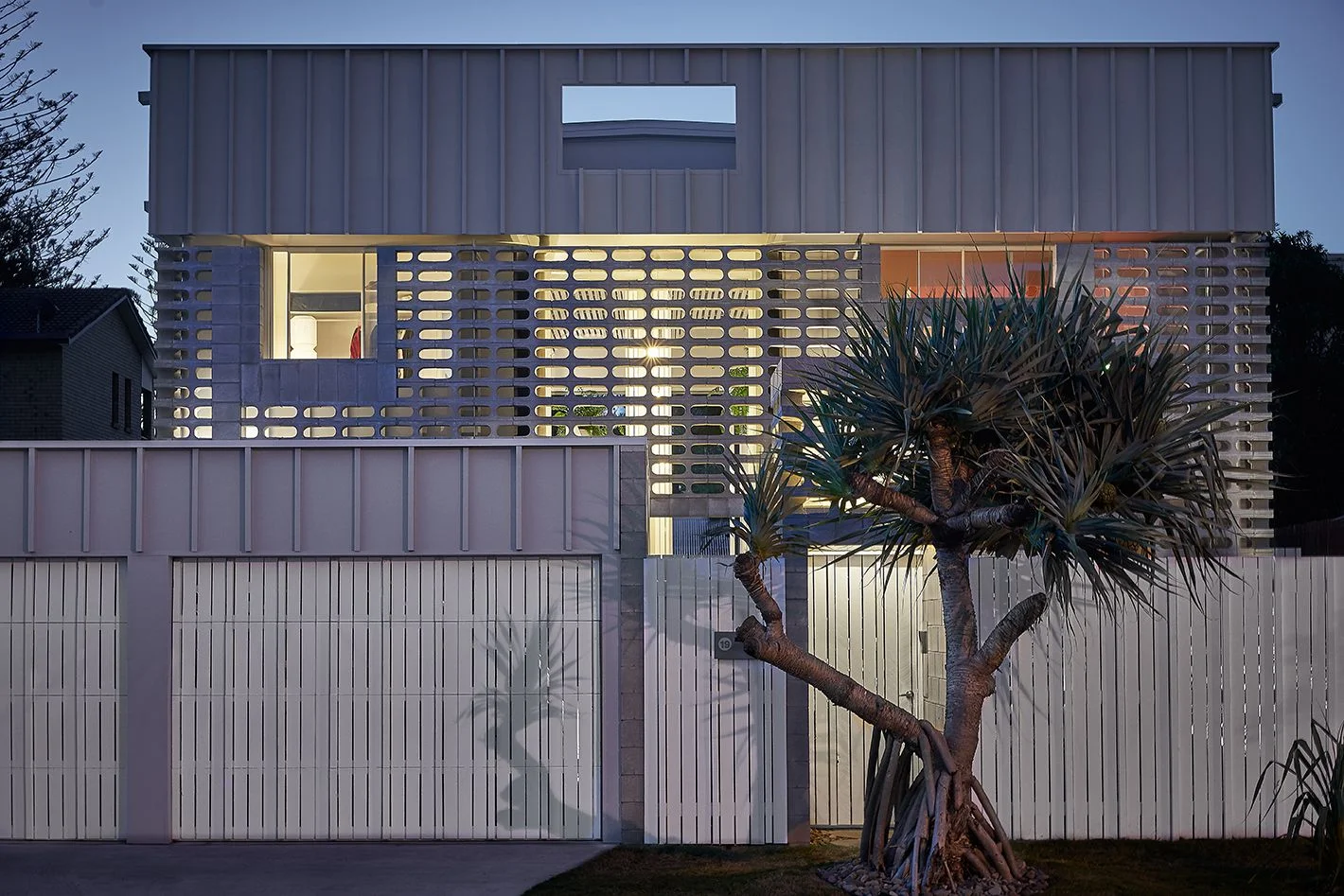
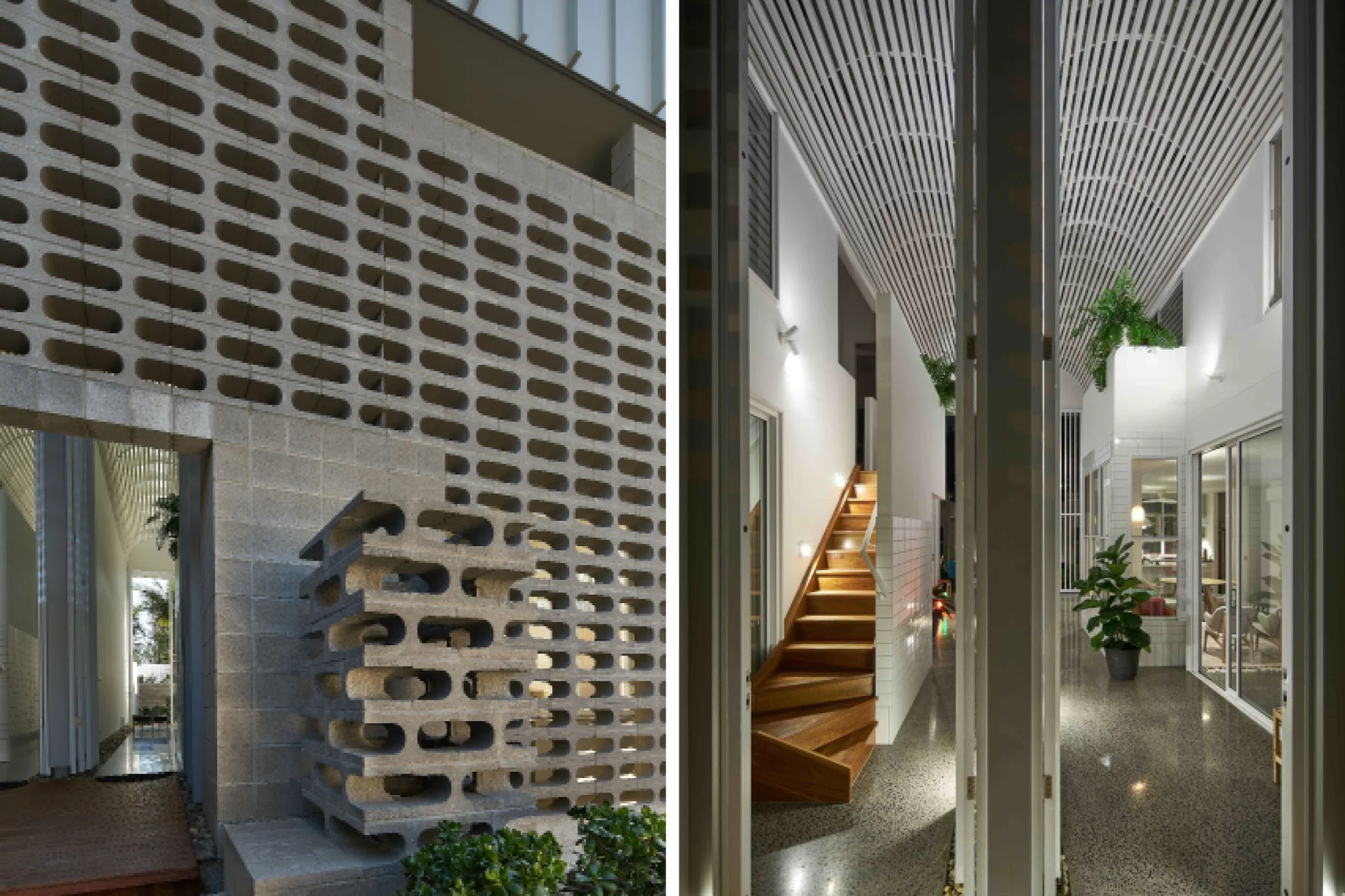
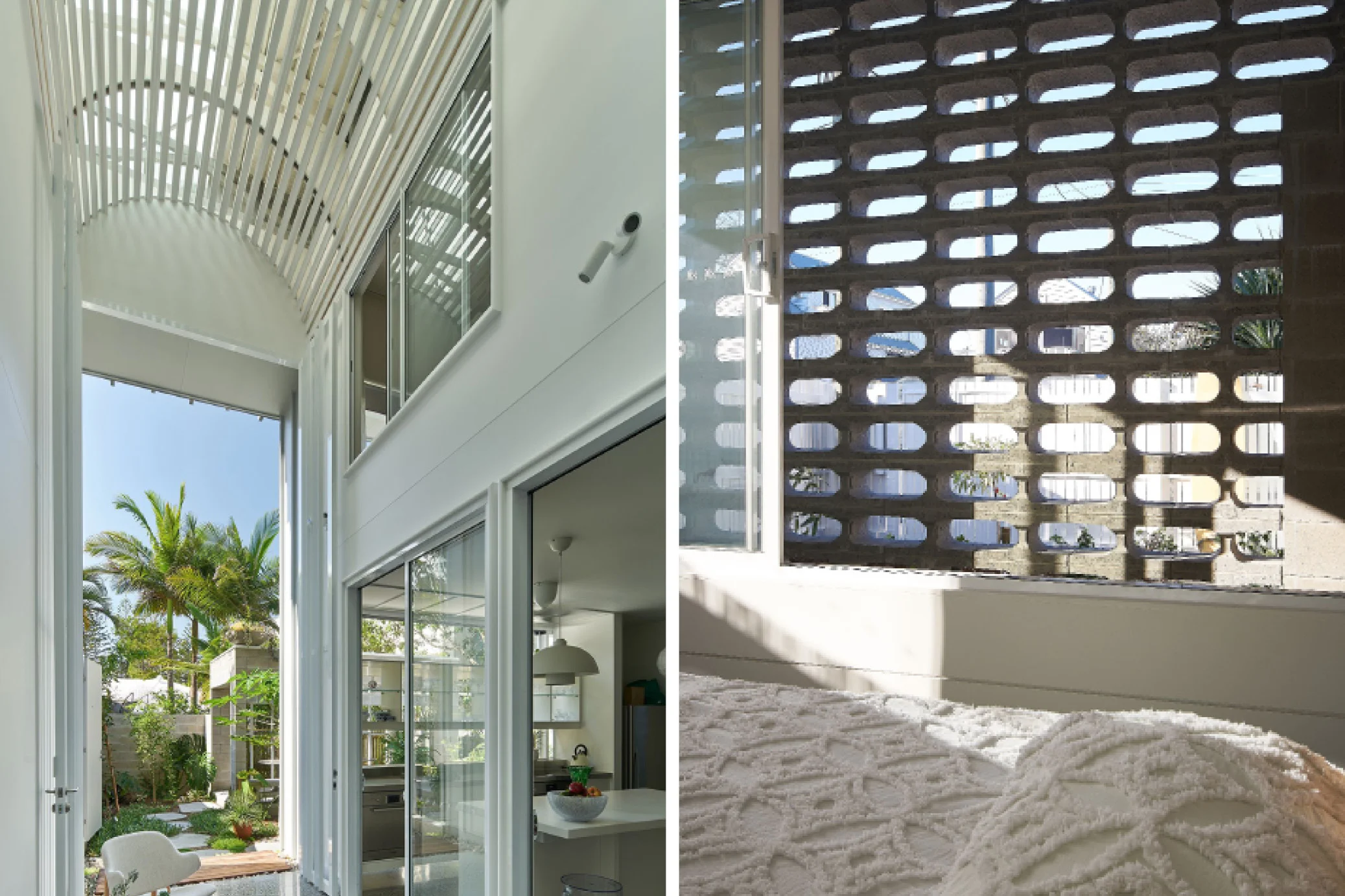
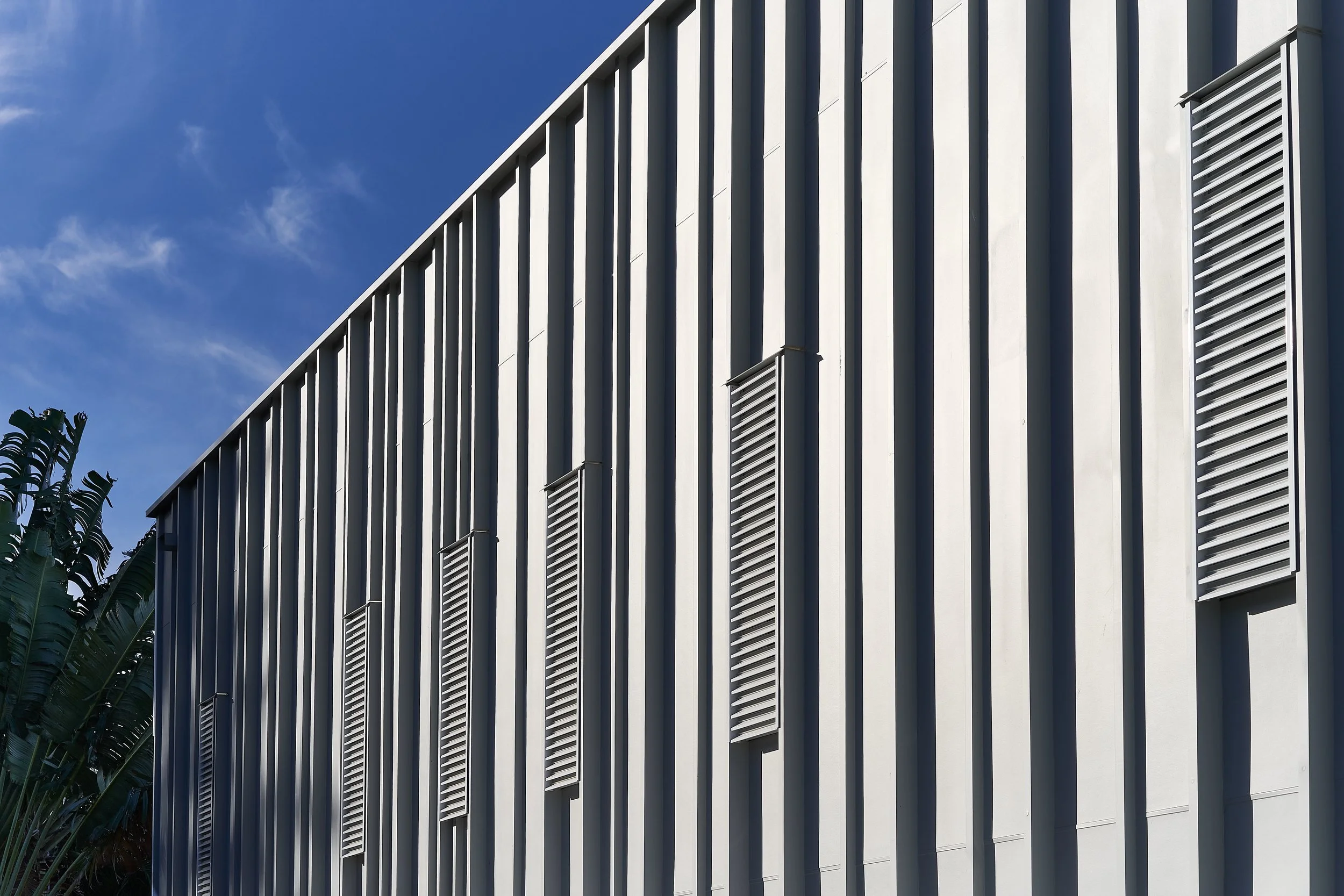
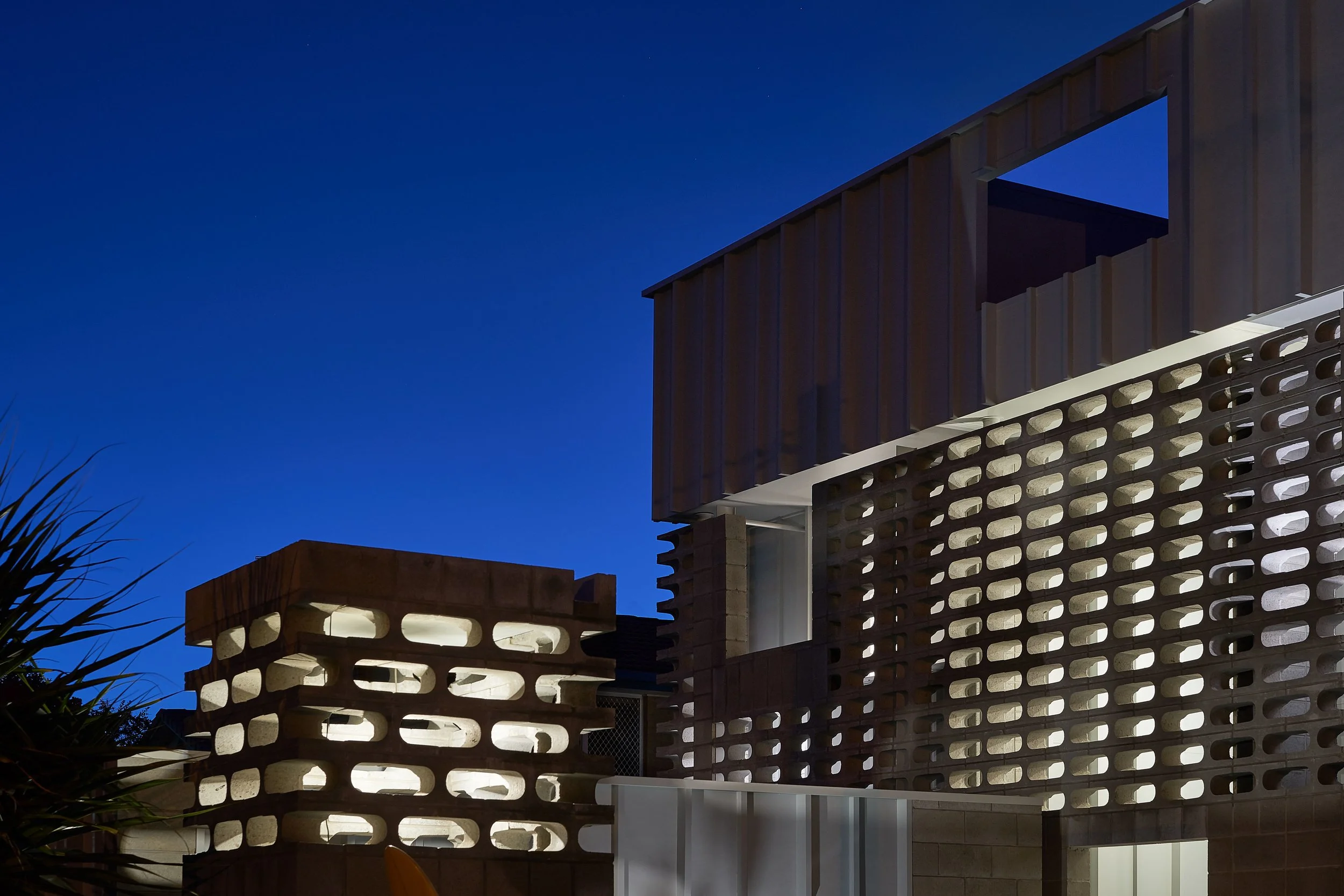
“At Mermaid Multihouse, Partners Hill with Hogg and Lamb found a way to bring out the unique qualities of otherwise standard building materials: wood, steel and concrete ‘H’ blocks. The Gold Coast duplex is designed to maximise privacy and maintain a separateness between the two adjacent residences. Grey concrete blocks cover the entire face, stacked in porous configuration so that the round hollows face the street, and pinned and stiffened with a steel frame in accordance with contemporary engineering standards. This dense yet open wall is put to use as a sun shade and privacy screen for the front-facing windows. A lightweight parapet cost-effectively caps the walls and slides away to form the less apparent and comparatively mute side walls. The plan of the duplex is arranged with ingenuity. A party wall separates the double height exterior arcades, rather than interior rooms. This gives independent access to various rooms and a moderated, glare-free outdoor space while also allowing the interior rooms to cross ventilate. The general experience, coupled with the porous facade, is of permeability and a sense of never being definitively inside or outside.”
Text by Sam Marshall, The Breeze Block Book, Uro Publications 2019
Project Team: Michael Hogg, Greg Lamb
Photography: Alex Chomicz
Awards:
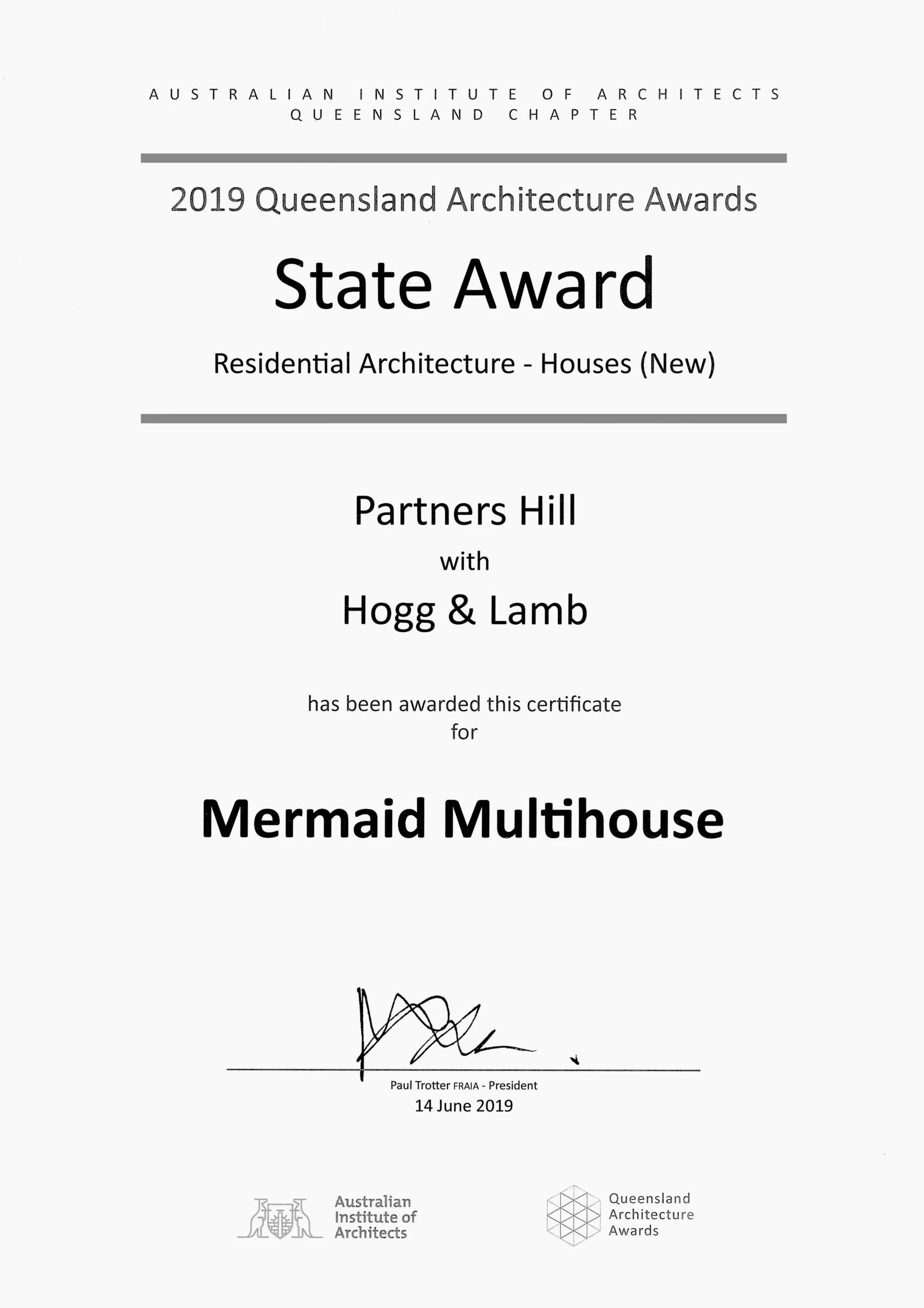
State Award, Residential Architecture – Houses [New]. Queensland Architecture Awards, 2019
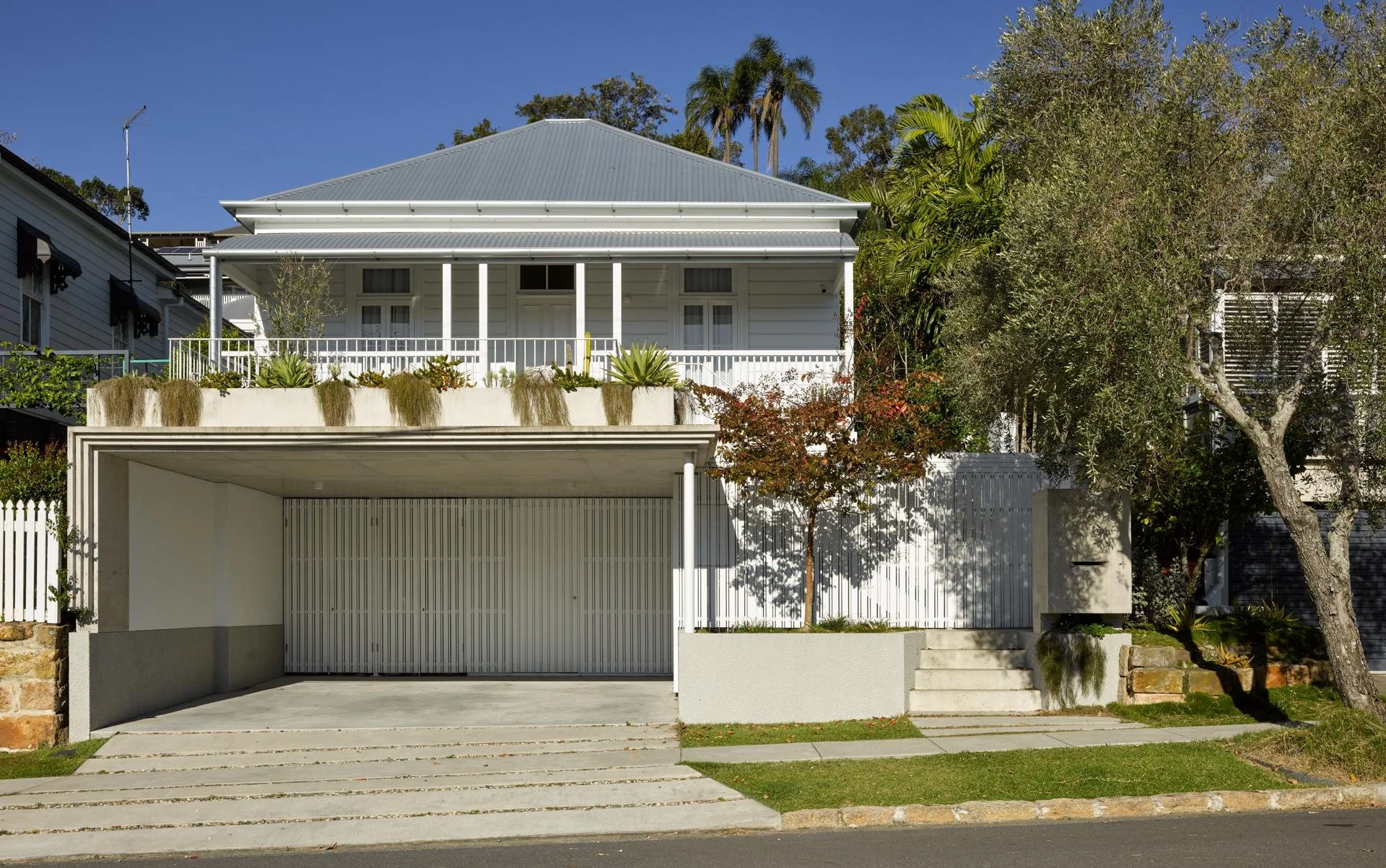
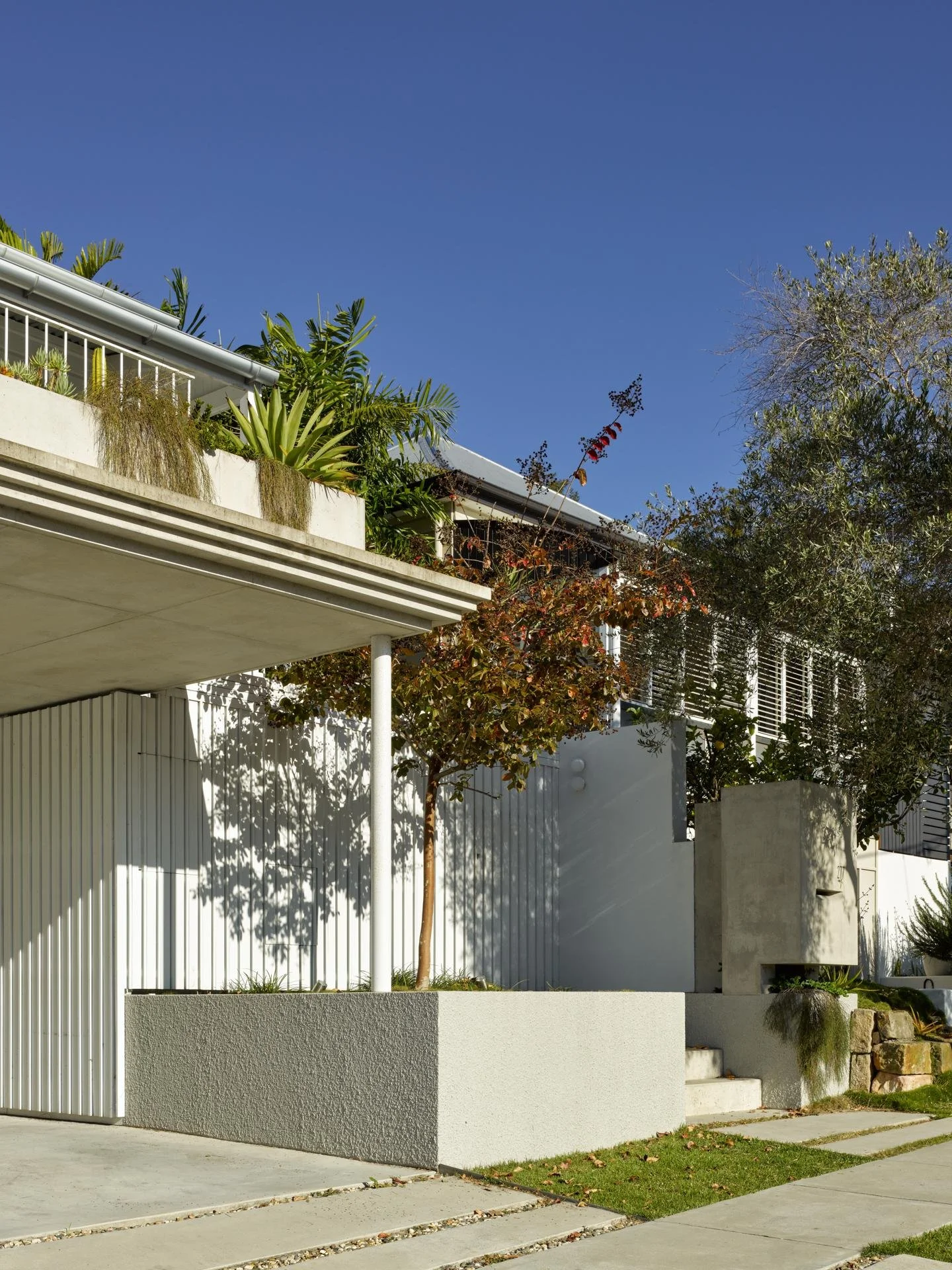
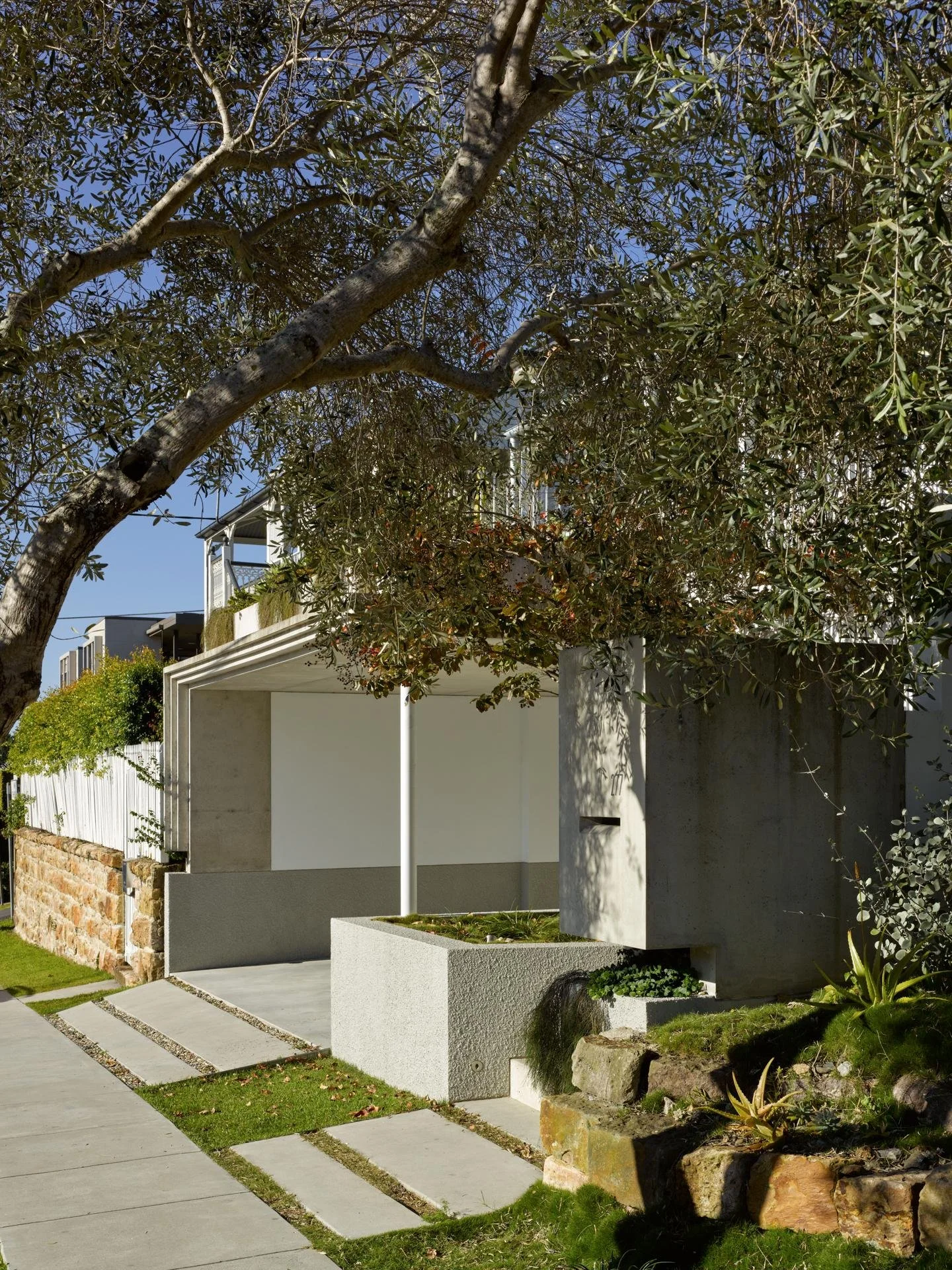
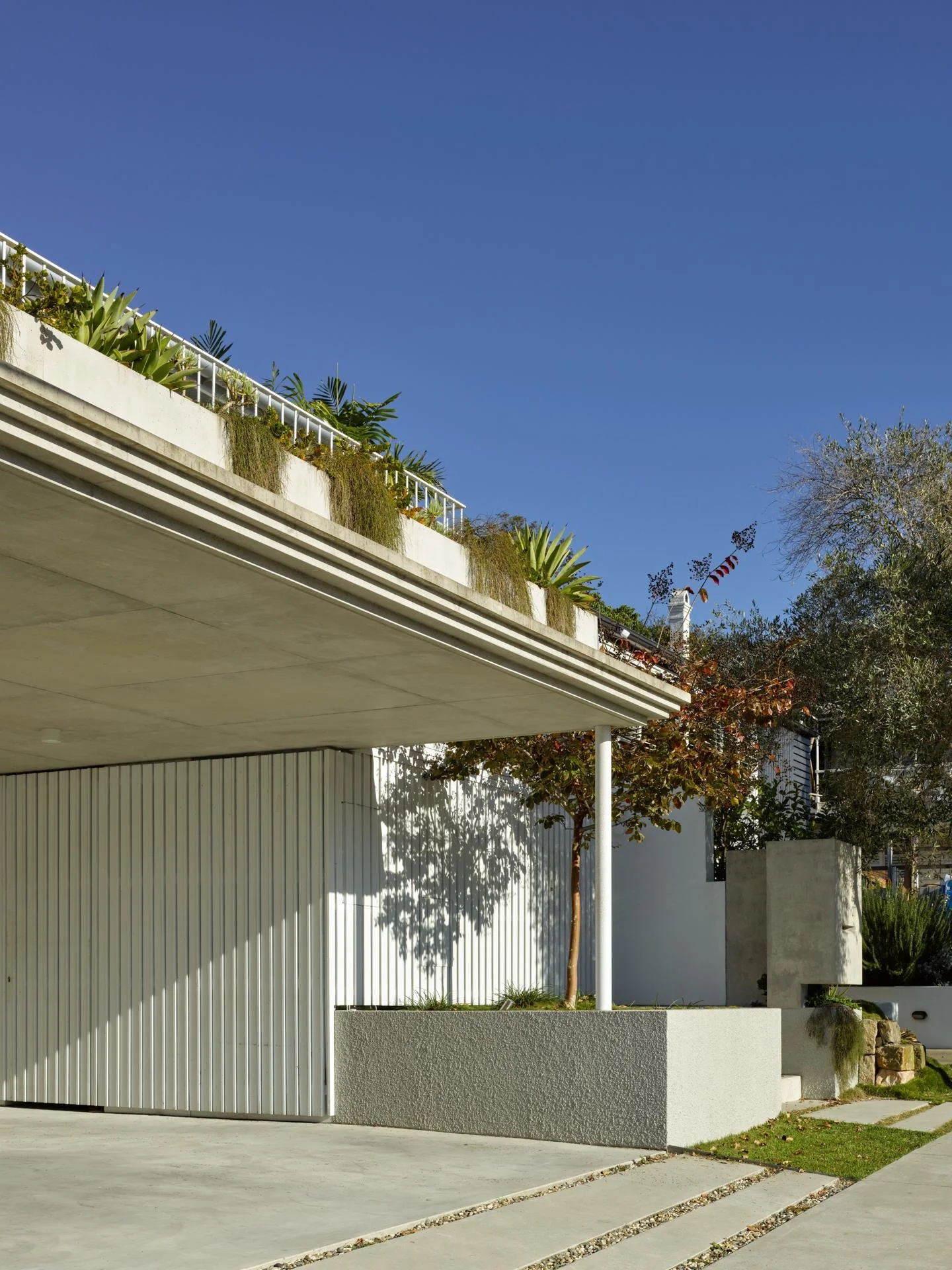
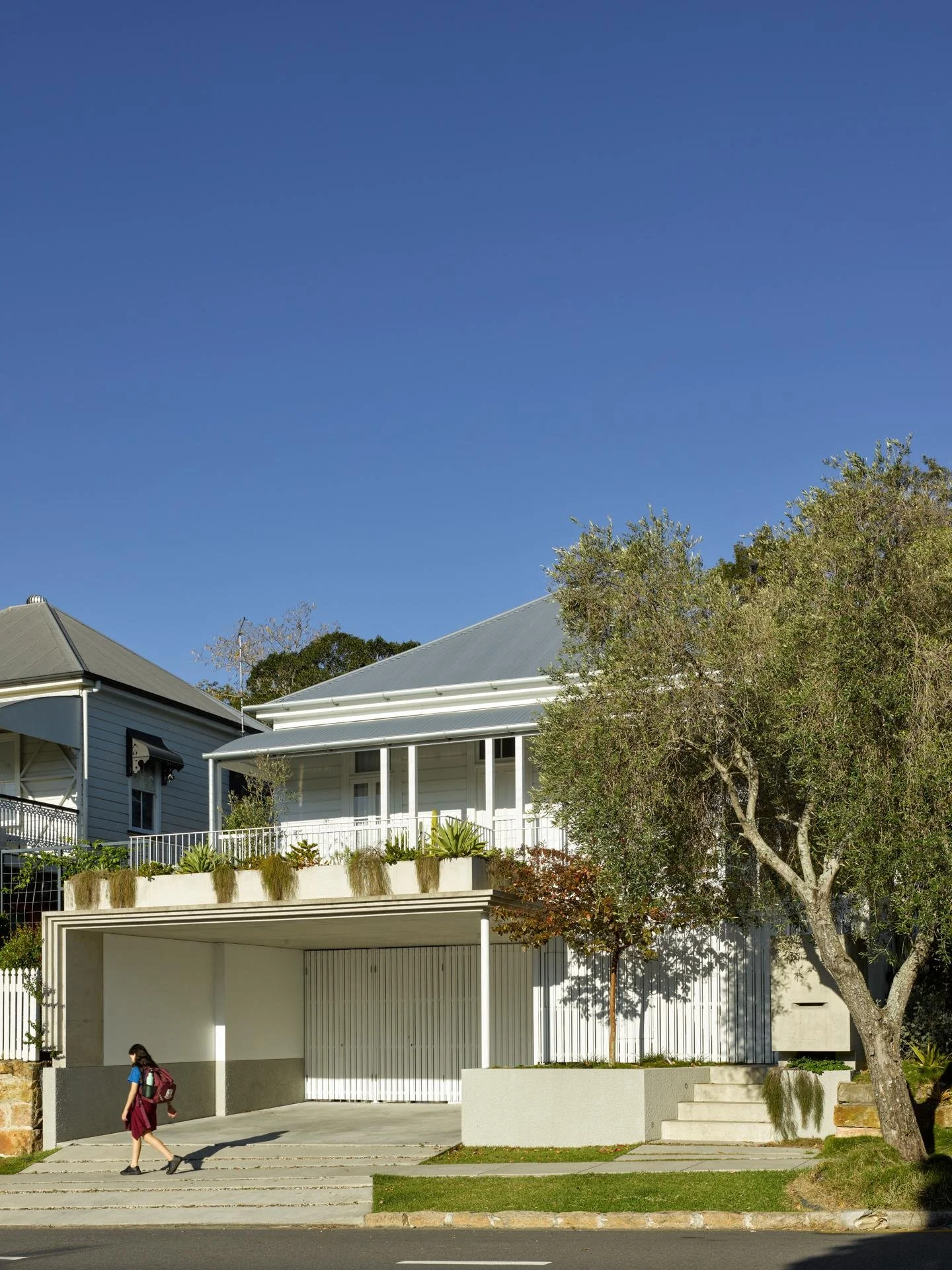
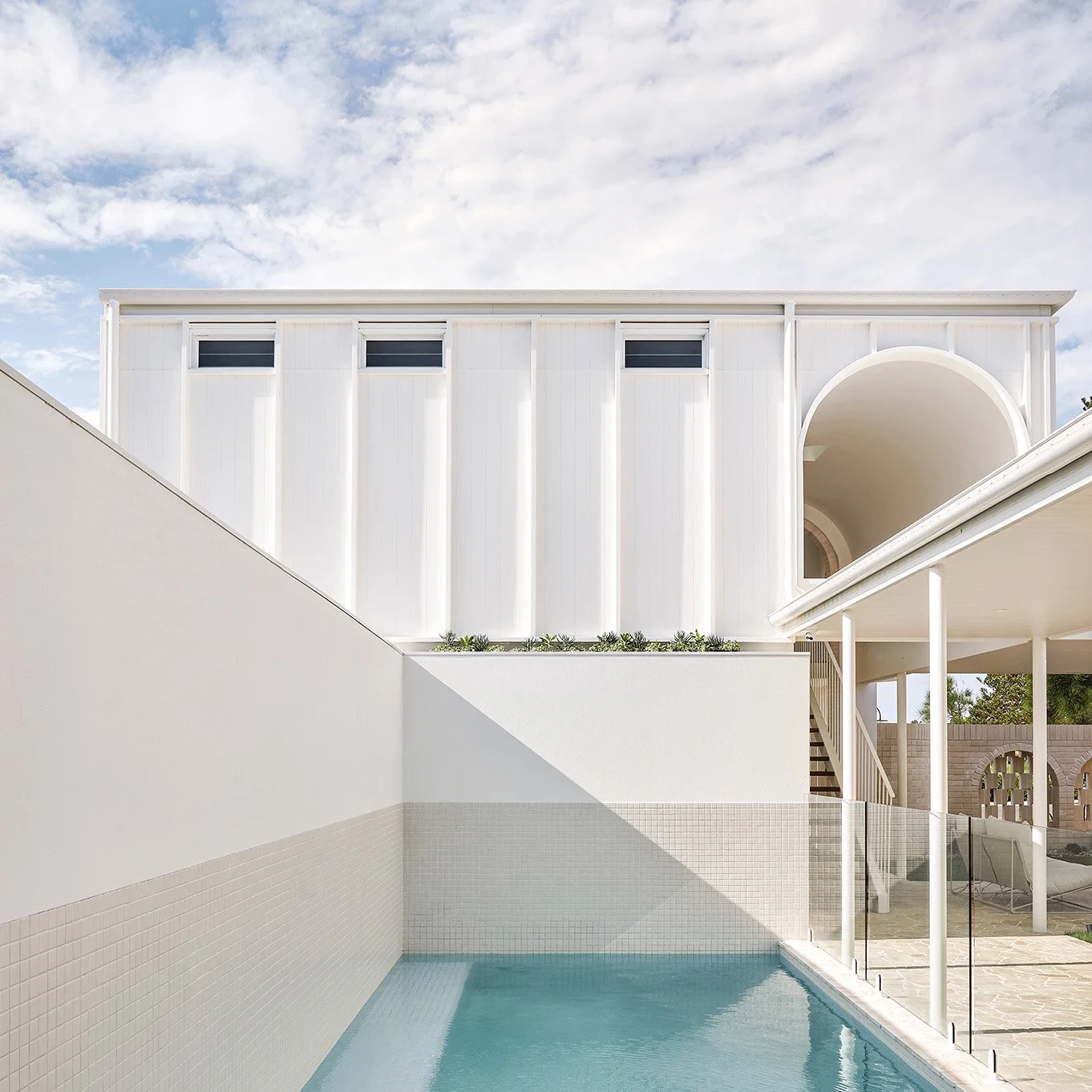
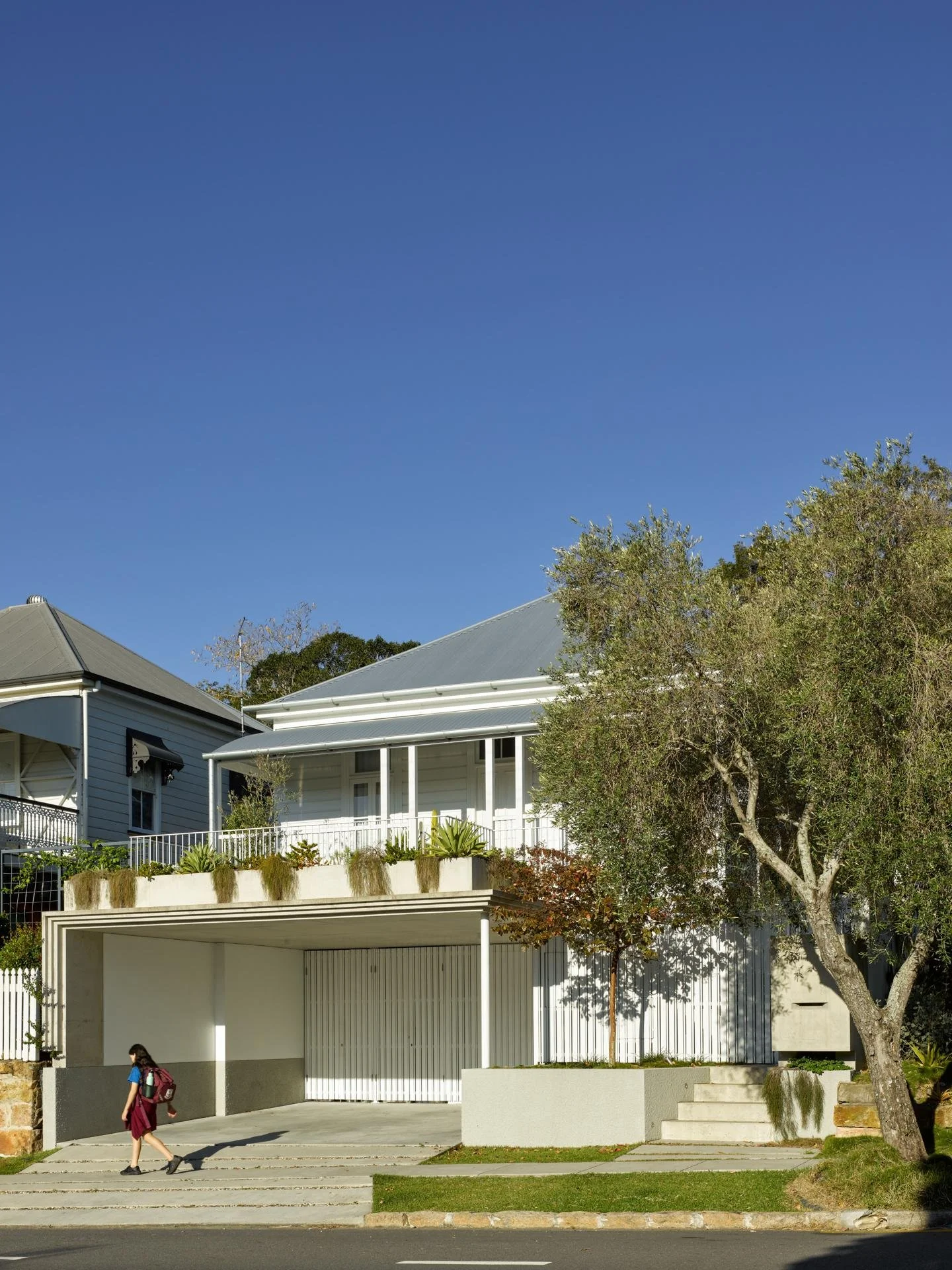
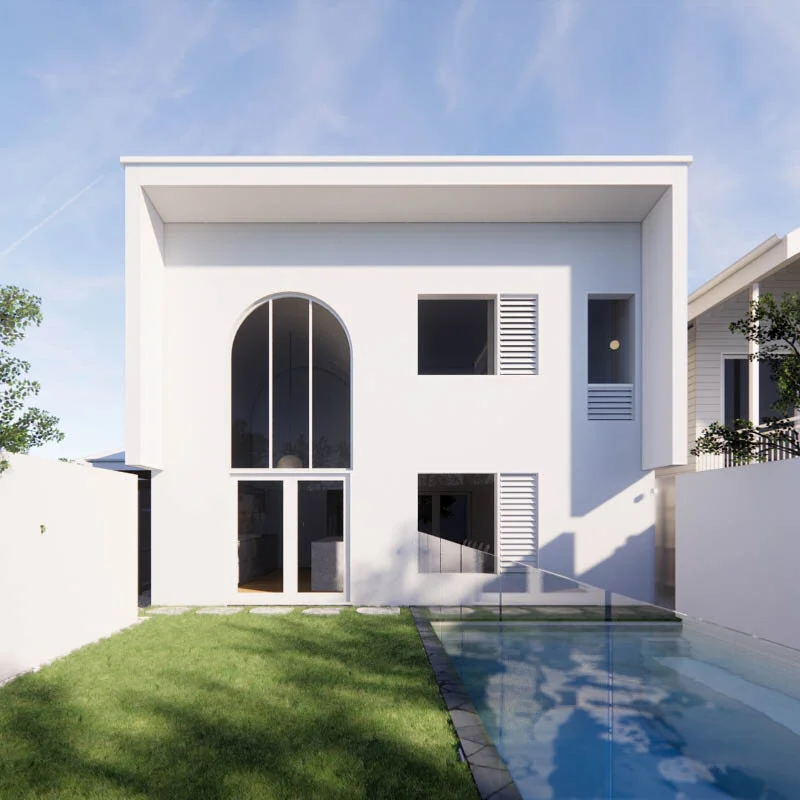
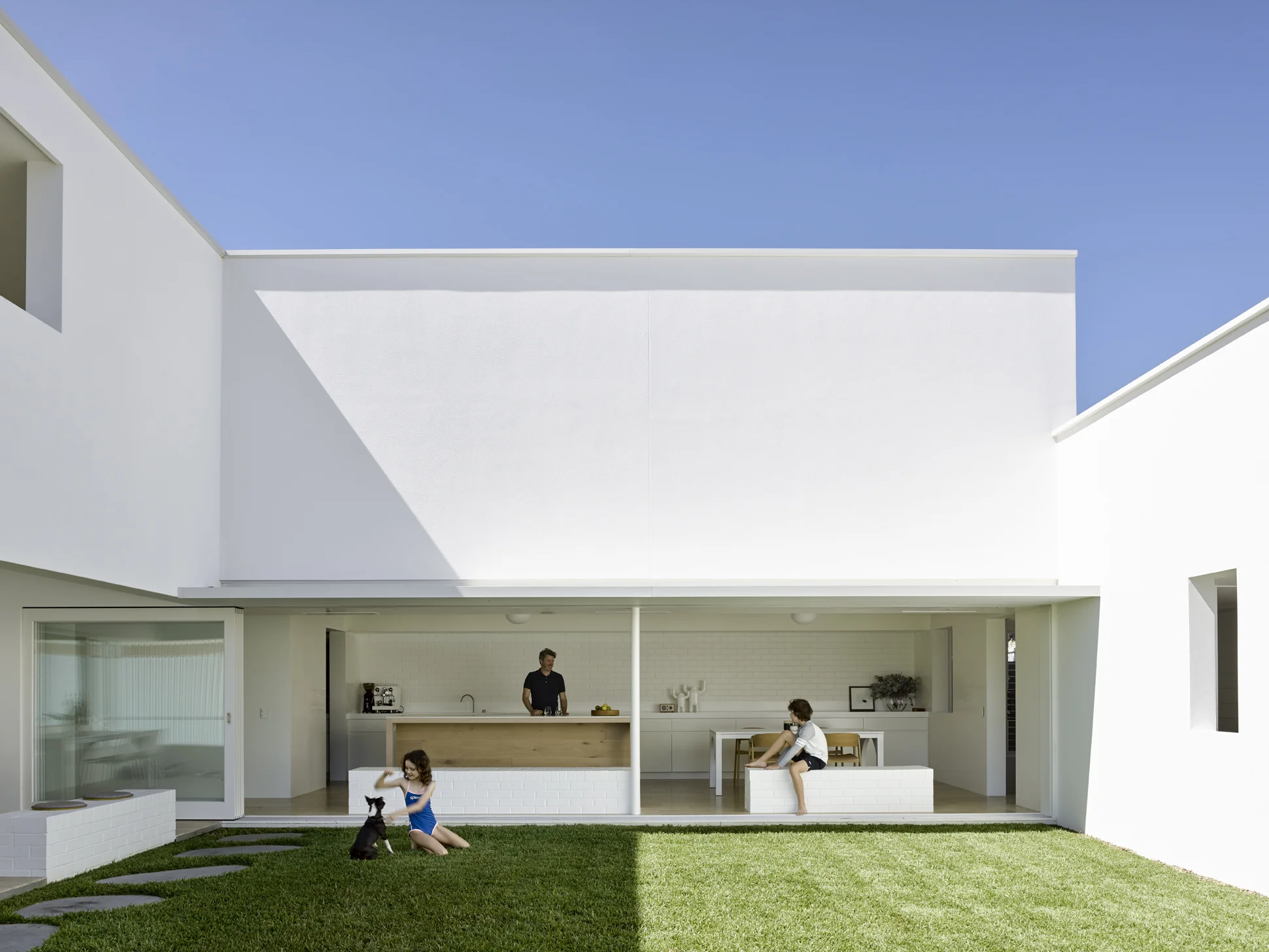
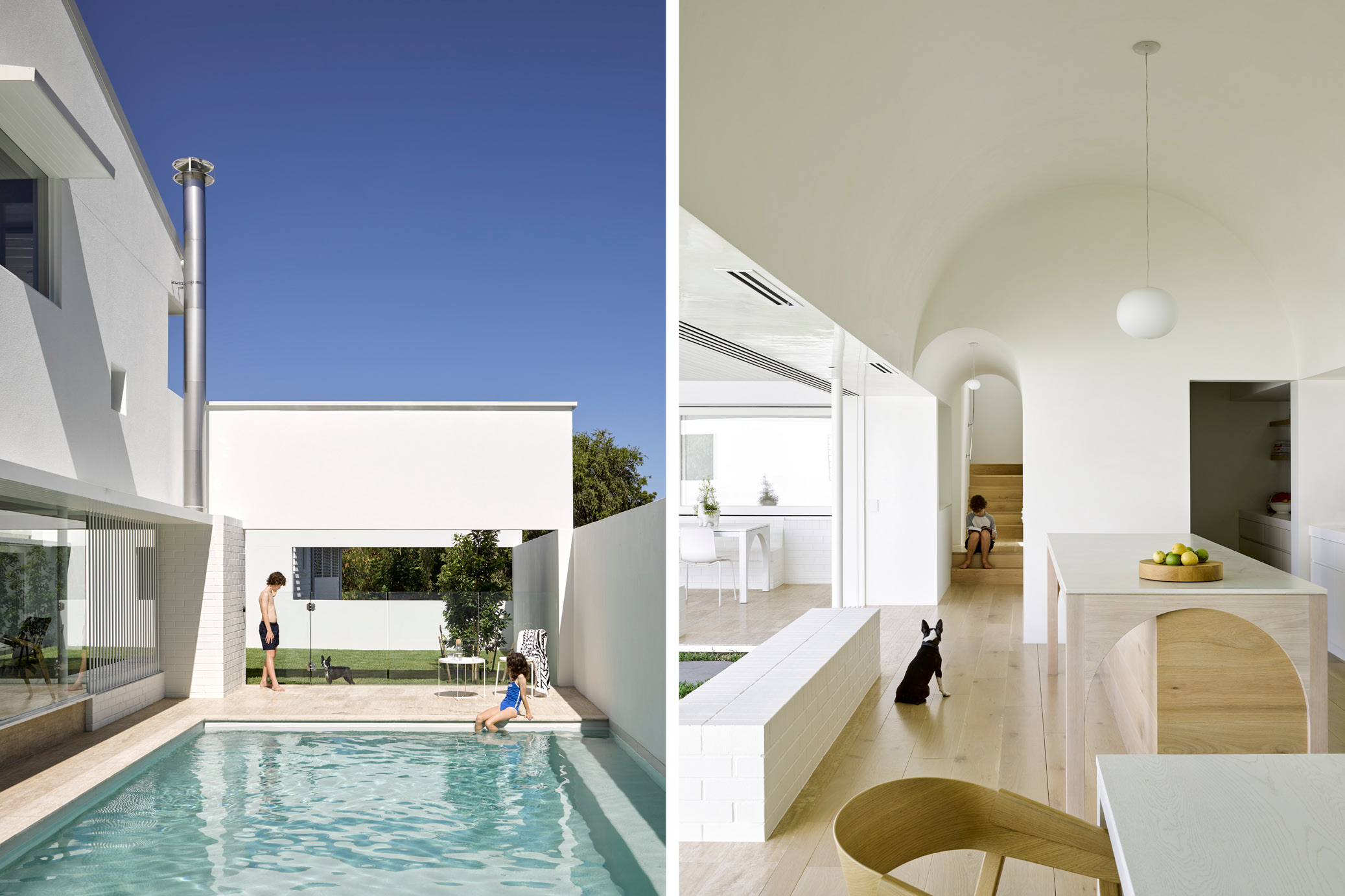
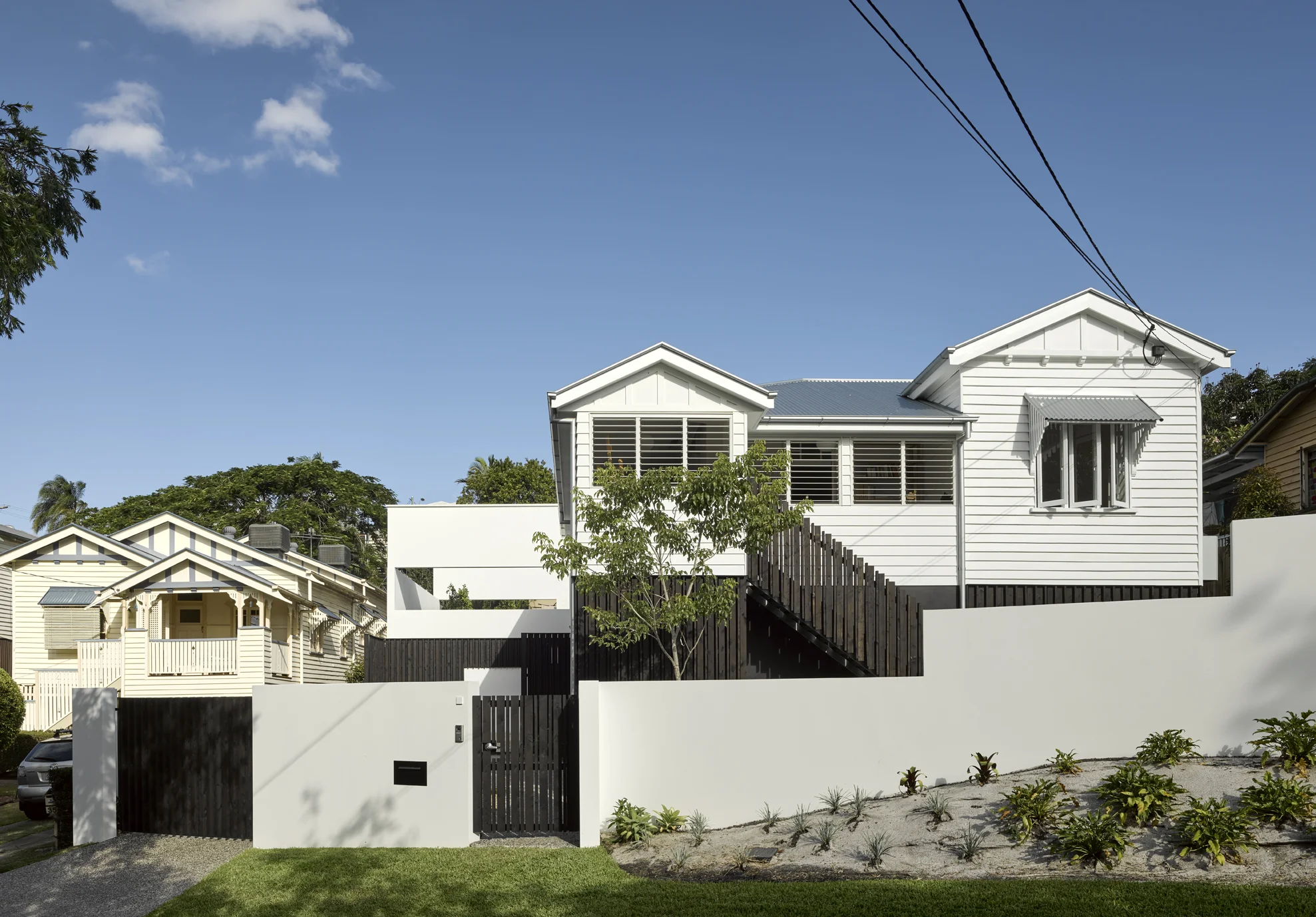
This project re-invigorates the life of an existing Queenslander cottage in inner city Paddington.
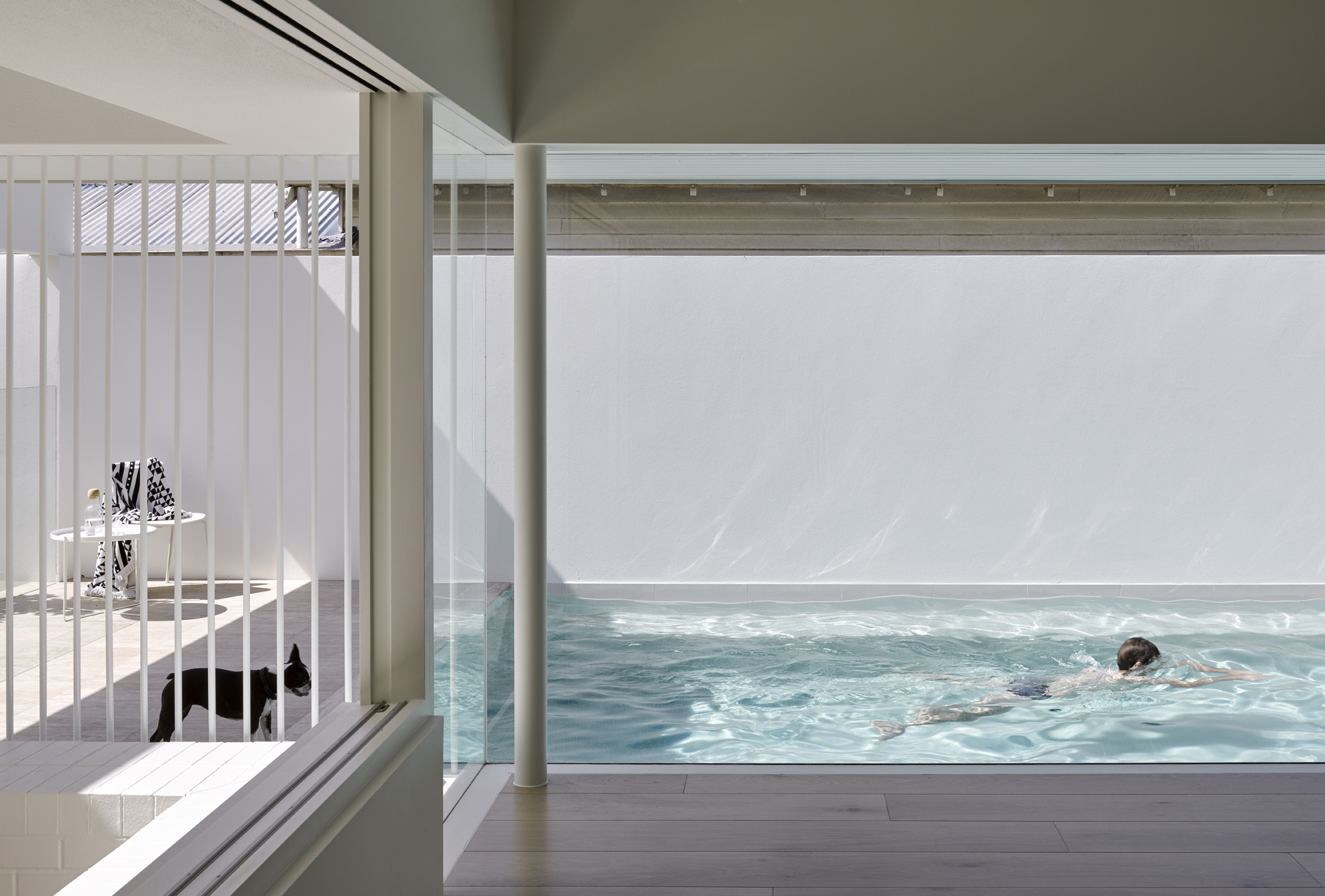
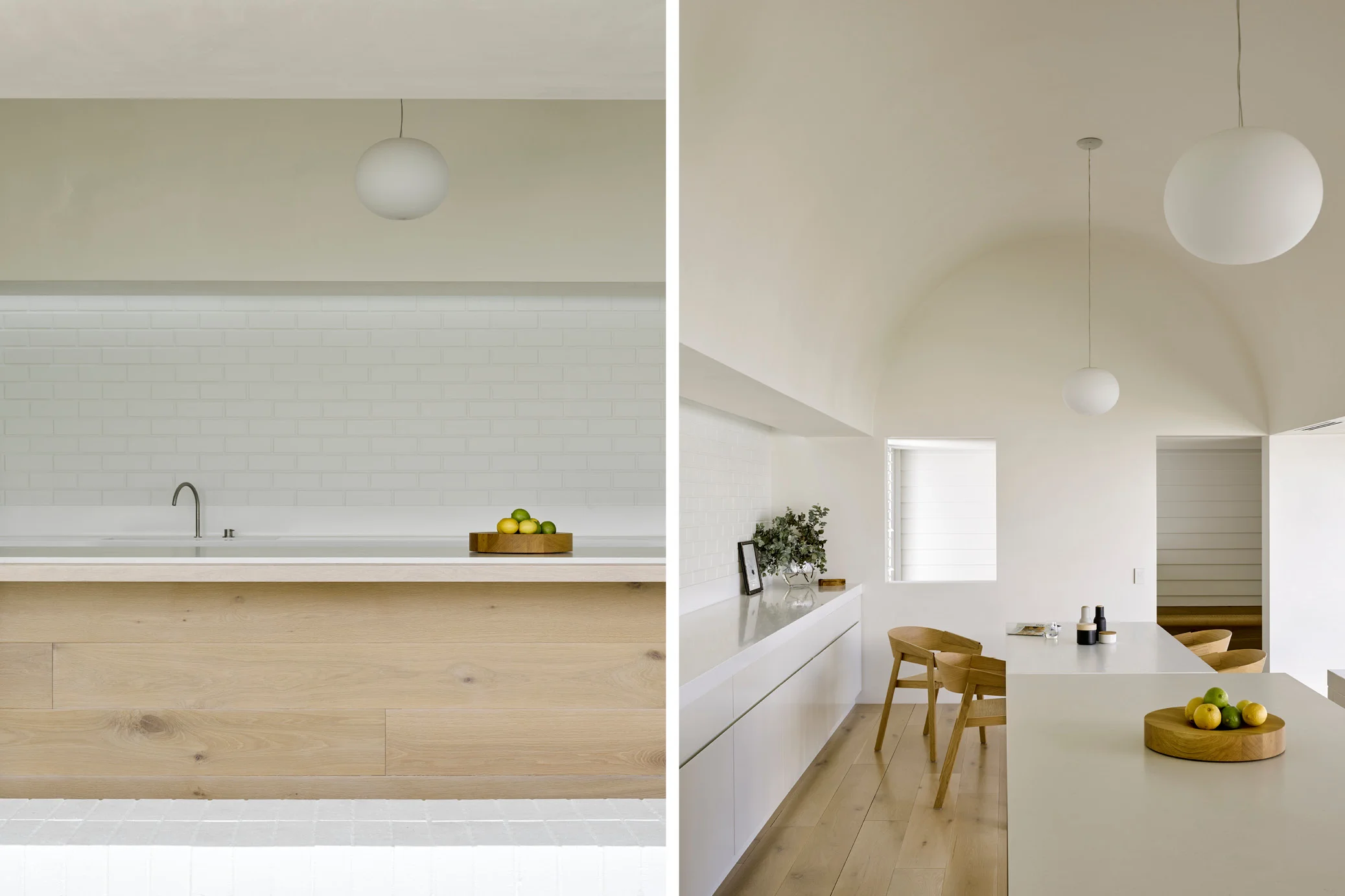
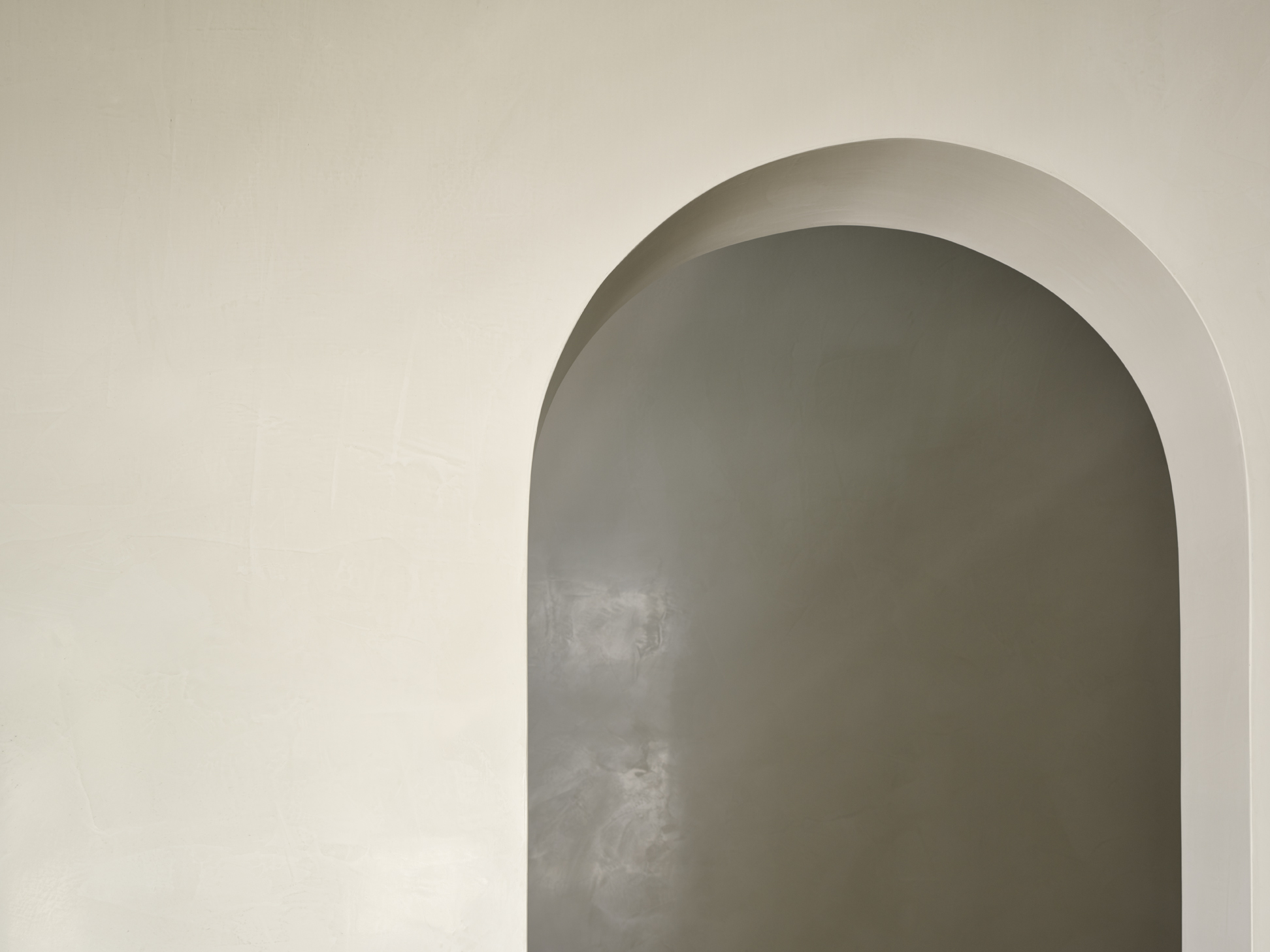
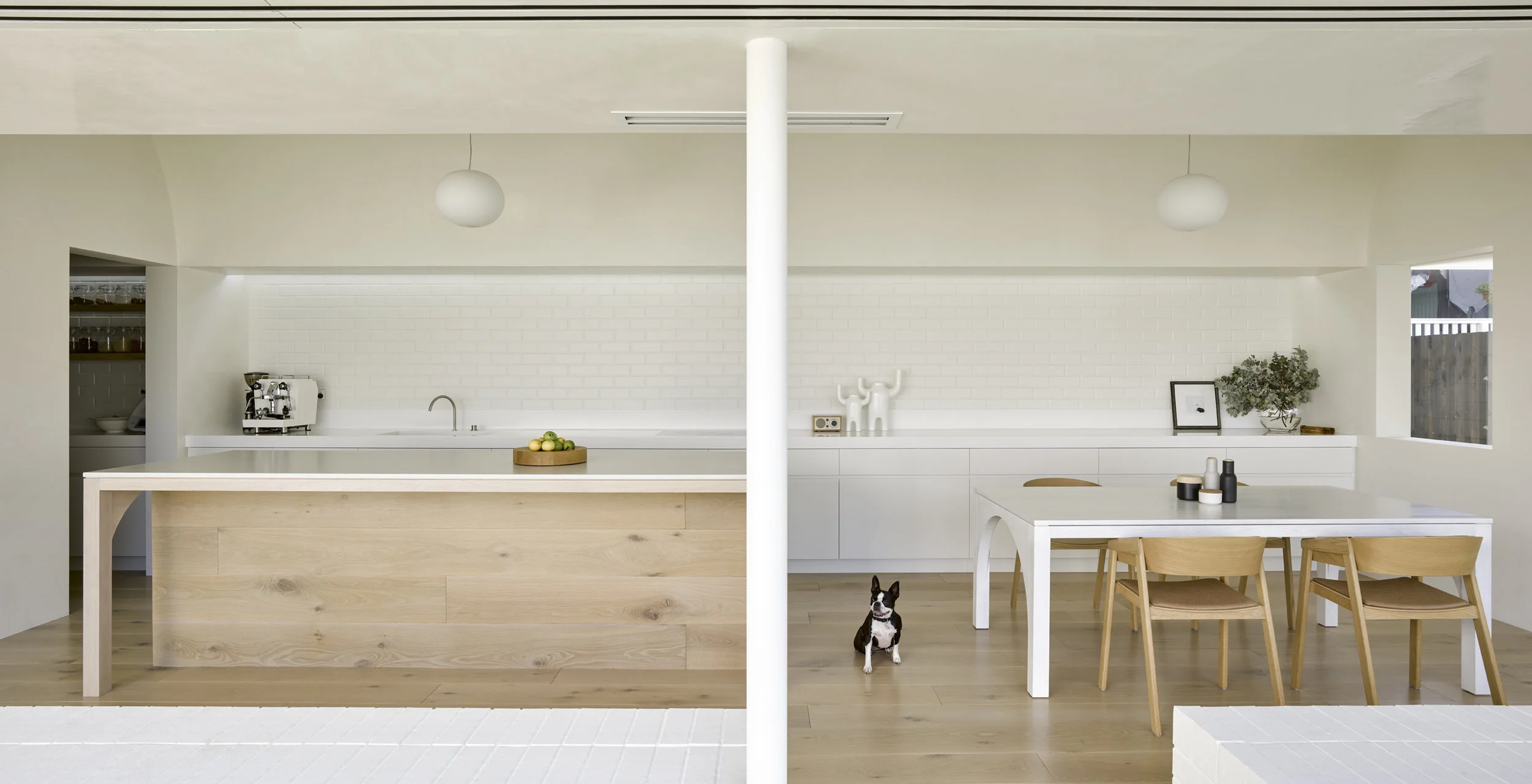
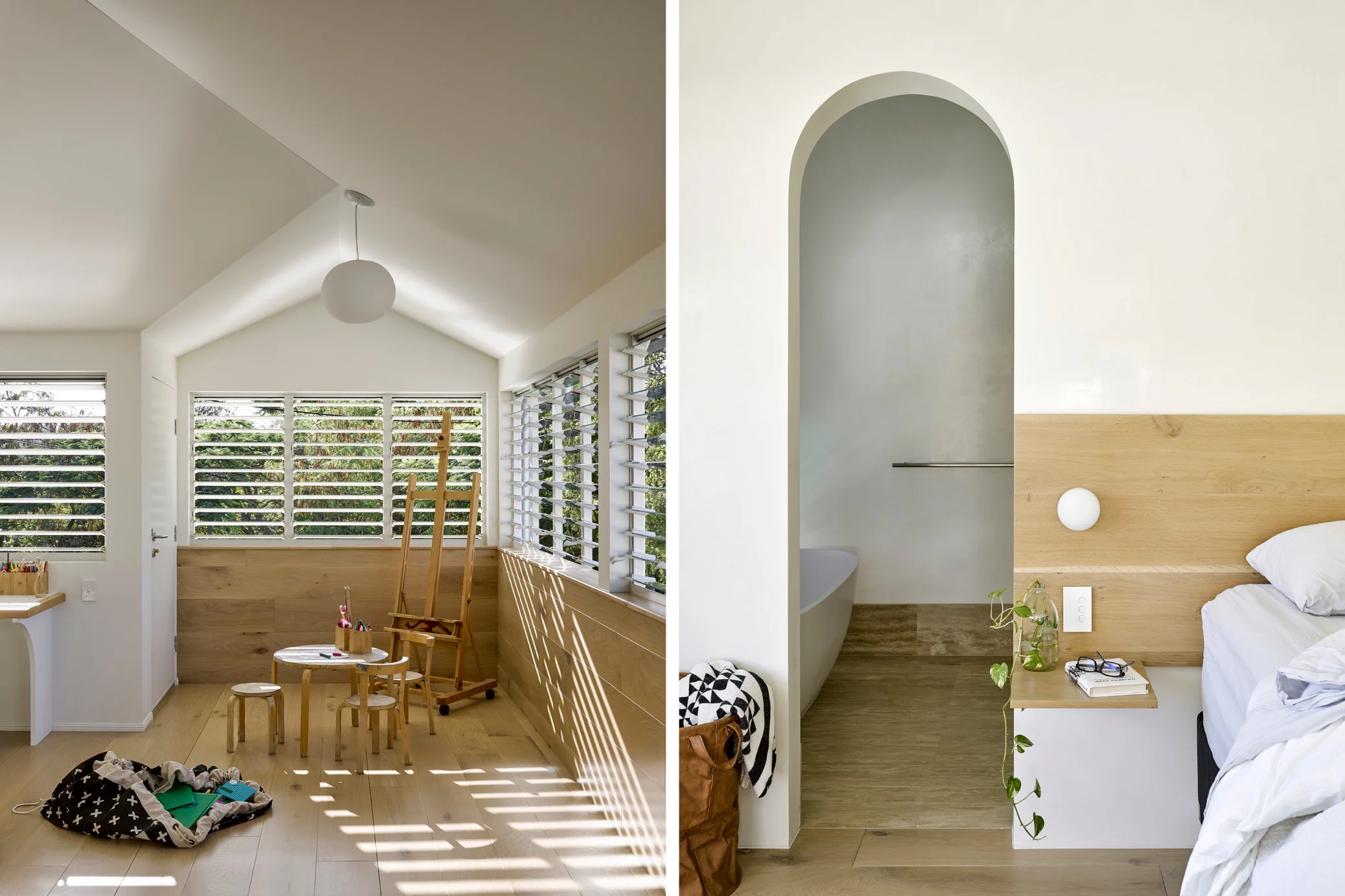
A new extension is carefully considered to mitigate the issues of a steep site and overlooking neighbours, creating platforms and private courtyards that extend the functioning ground plane. Internal and external volumes interlock, expand and compress in a delightful sense of play, with geometric barrel vaults defining the significance of rooms. Views are edited while portions of the sky, trees and mountains are carefully framed through a series of openings, peepholes and voids. The crisp aesthetic of the new exterior amplifies the character of Brisbane’s subtropical setting; - sharp light and shadow, bright blue skies and lush green landscapes, in deference to vernacular exemplars. Interior surfaces subtly reflect and play with natural light, while the restrained palette of materials and finishes highlight the essential qualities of what remains in a serene heightened atmosphere of calm.
Project Team: Michael Hogg, Greg Lamb
Photography: Christopher Frederick Jones
Awards
Commendation - Alterations and Additions over 200m2.
Houses Magazine Awards, 2018
Winner - Best of State Award, Residential Design Queensland.
Australian Interior Design Awards, 2019
Commendation - Residential Design.
Australian Interior Design Awards, 2019
QLD
Under Procurement
COPPER HOUSE
Undertaken by Donovan Hill with Michael Hogg as Project Architect.
Photography: Shantanu Starick
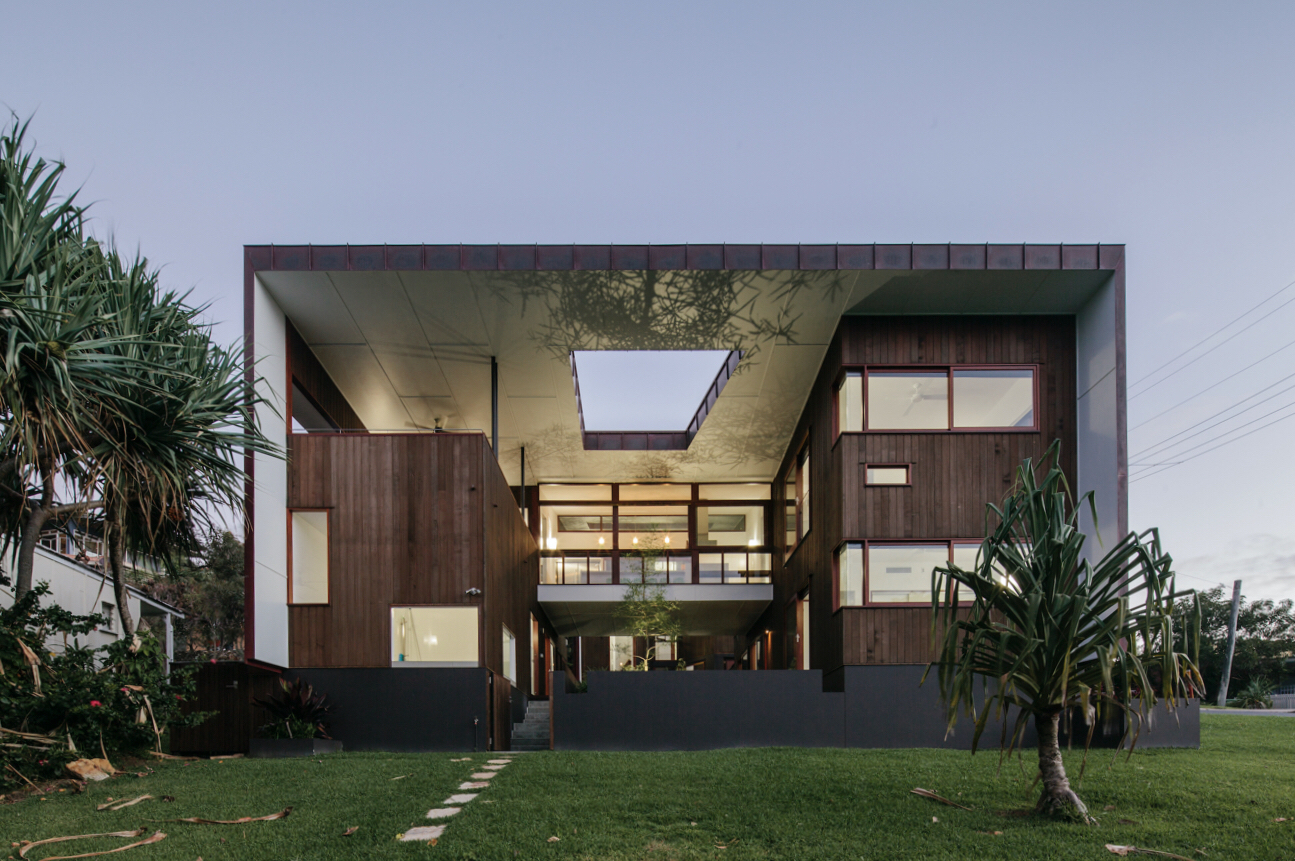
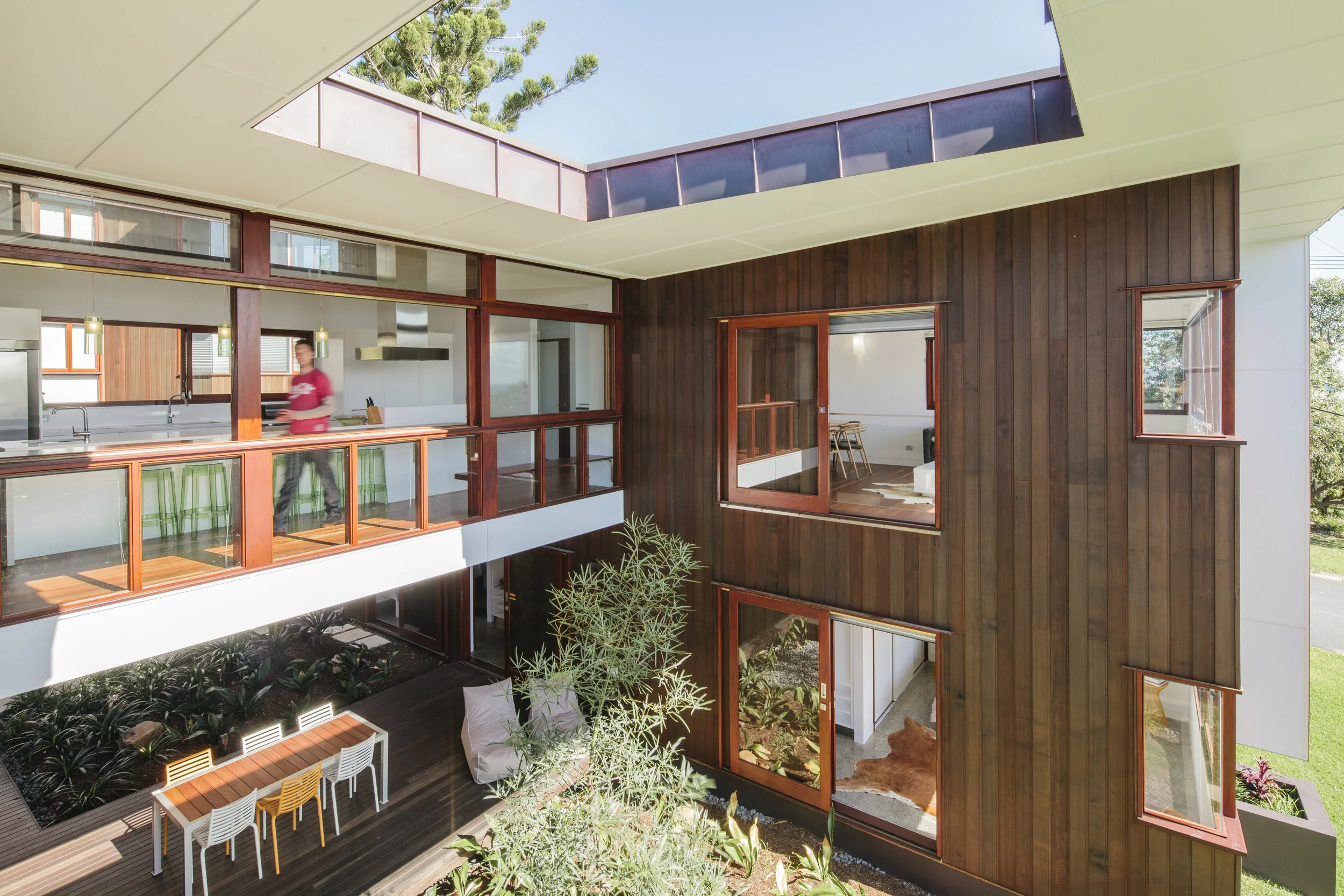
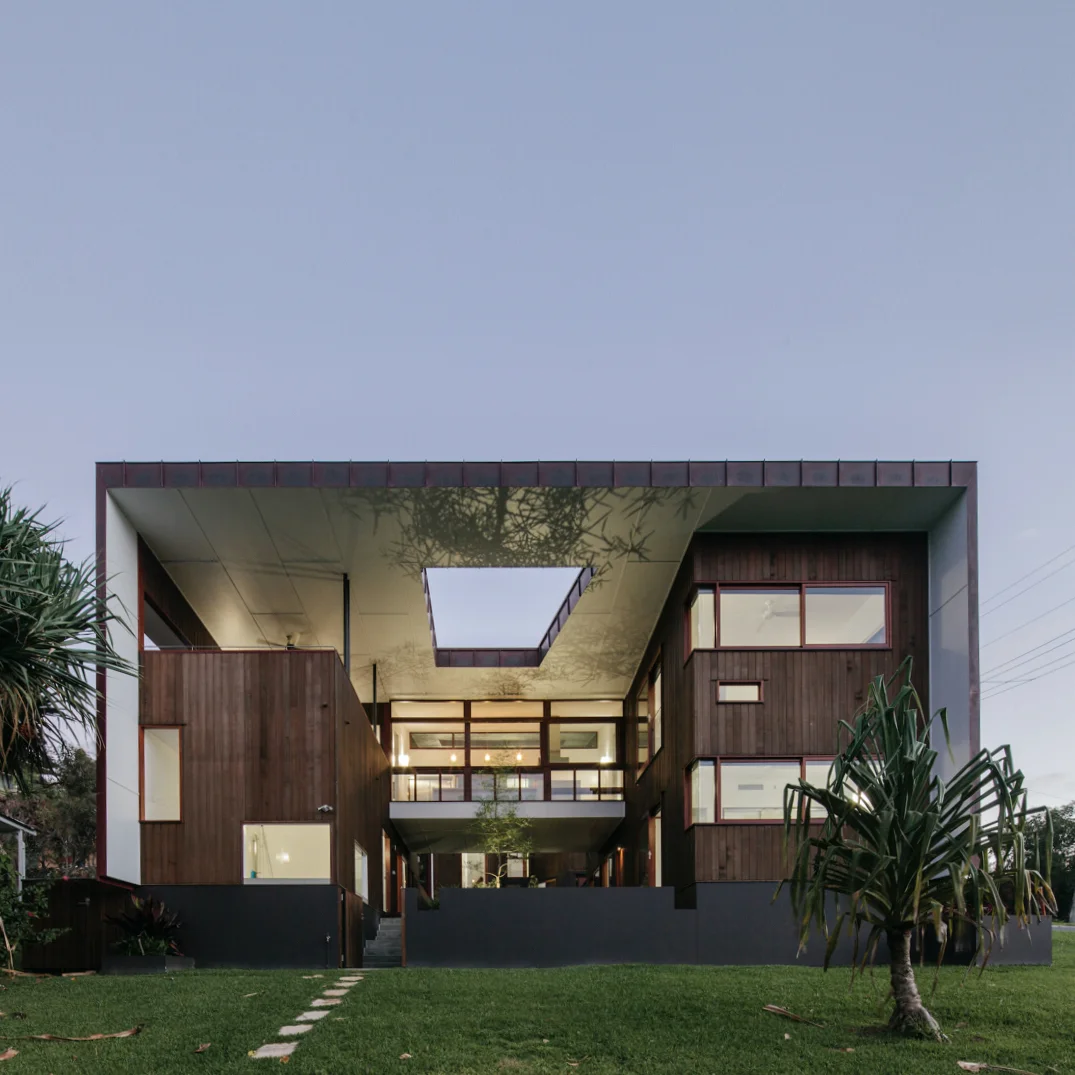
The copper house is a consolidation of two family’s individual holiday houses onto one new site
The site contains a number of individually accessible buildings under two roofs, that can be used in a number of ways to suit the number of occupants and length of stay.
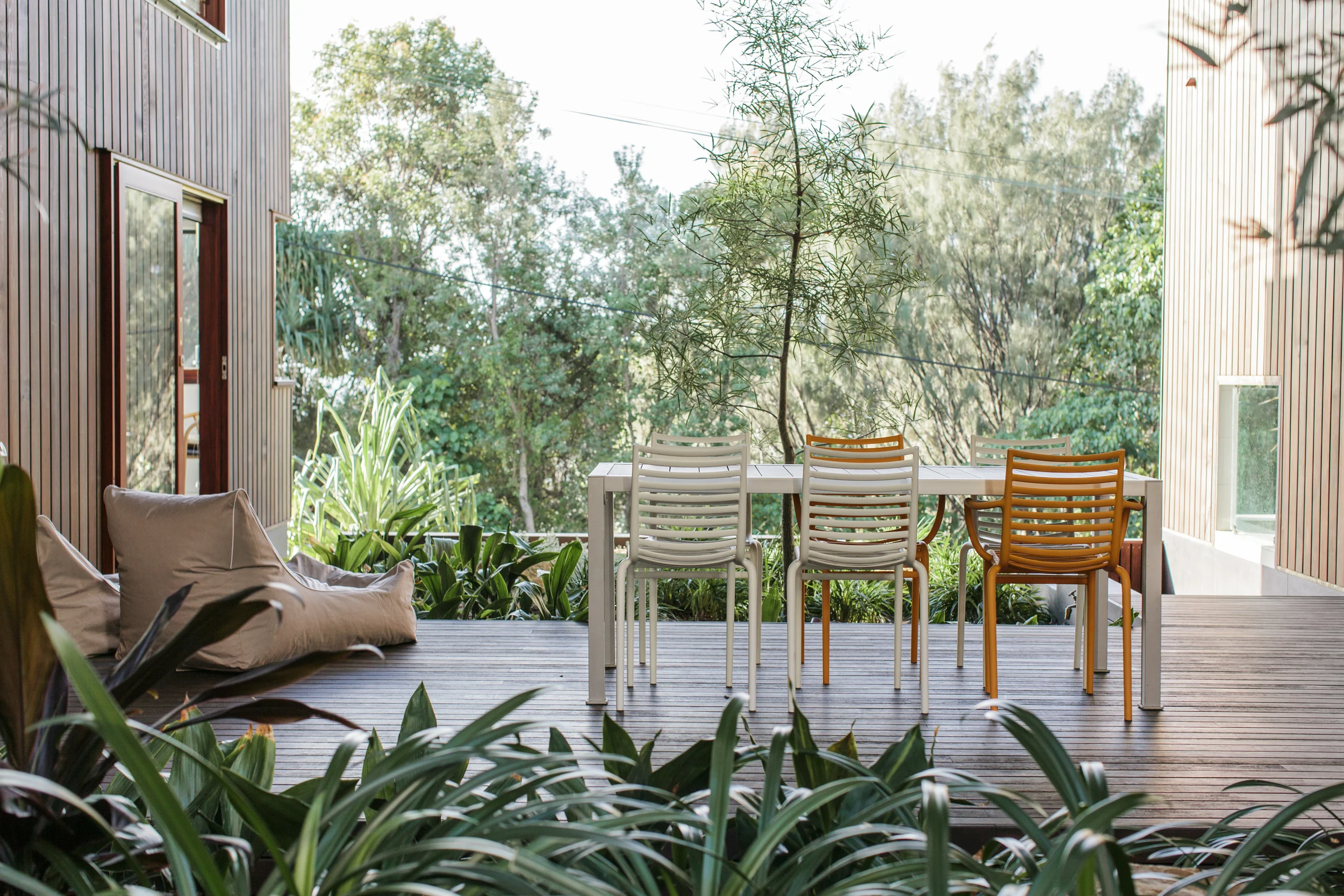
A central landscape, which is largely covered, acts to link the individual buildings, while providing shaded outdoor space to retreat from the beachside sunshine.
A large spanning portal roof collects the individual buildings, linked on the upper level by a bridge-like kitchen.
The portal contains a large opening to the sky, below which a new pine tree has been planted. Trained towards the sunlight, the tree will eventually become taller than the house and become part of the collection of existing mature pine trees retained on site.
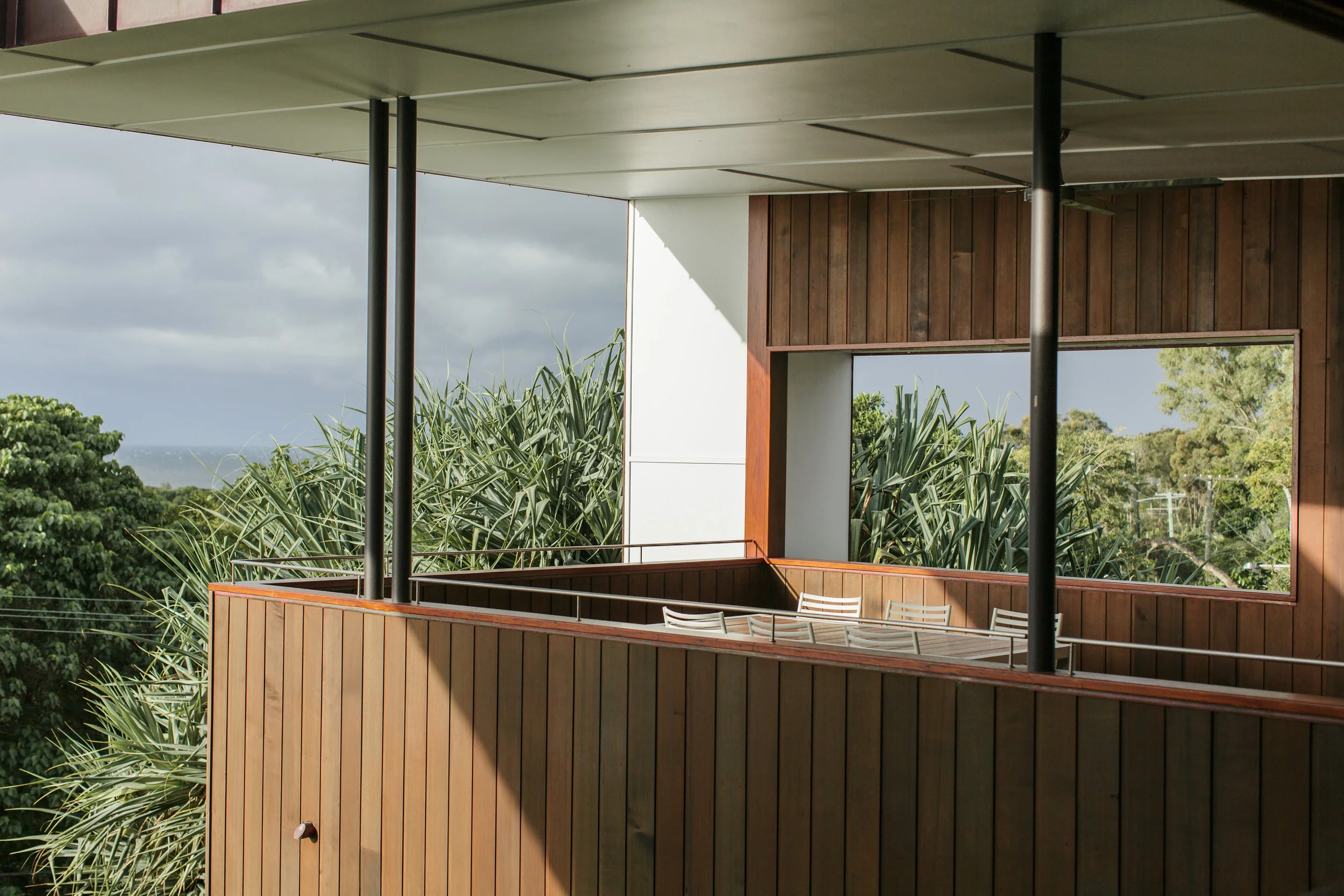
Materials were chosen for their low maintenance and slowly changing appearance, marking the passing of time, such as copper and weather protected Australian hardwoods.
Openings are oriented for ocean views and optimised for cross ventilation and sun shading.
Undertaken by BVN with Michael Hogg as Project Architect. Interiors by Jarosz Design.
Photography: Willis Lim
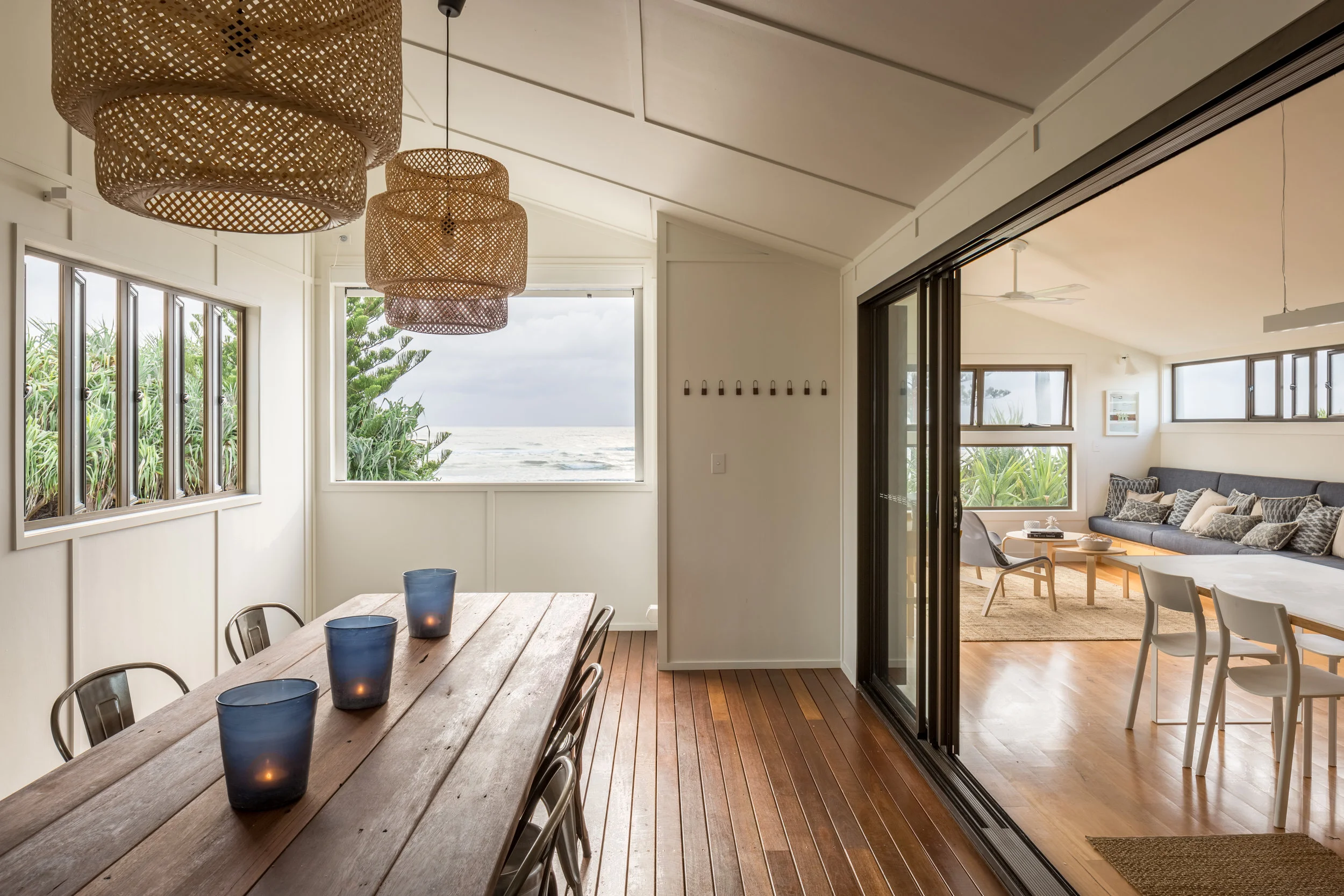
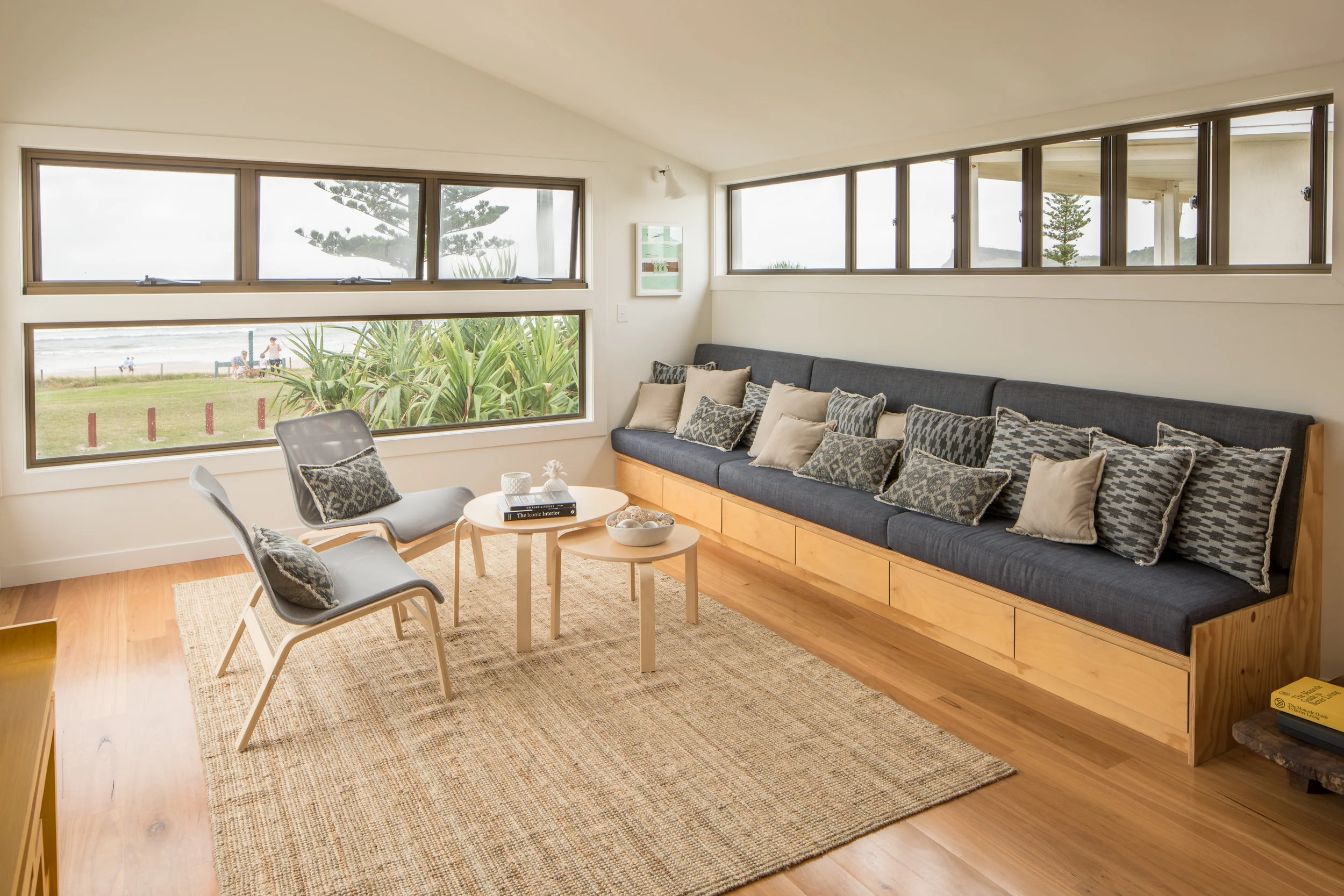
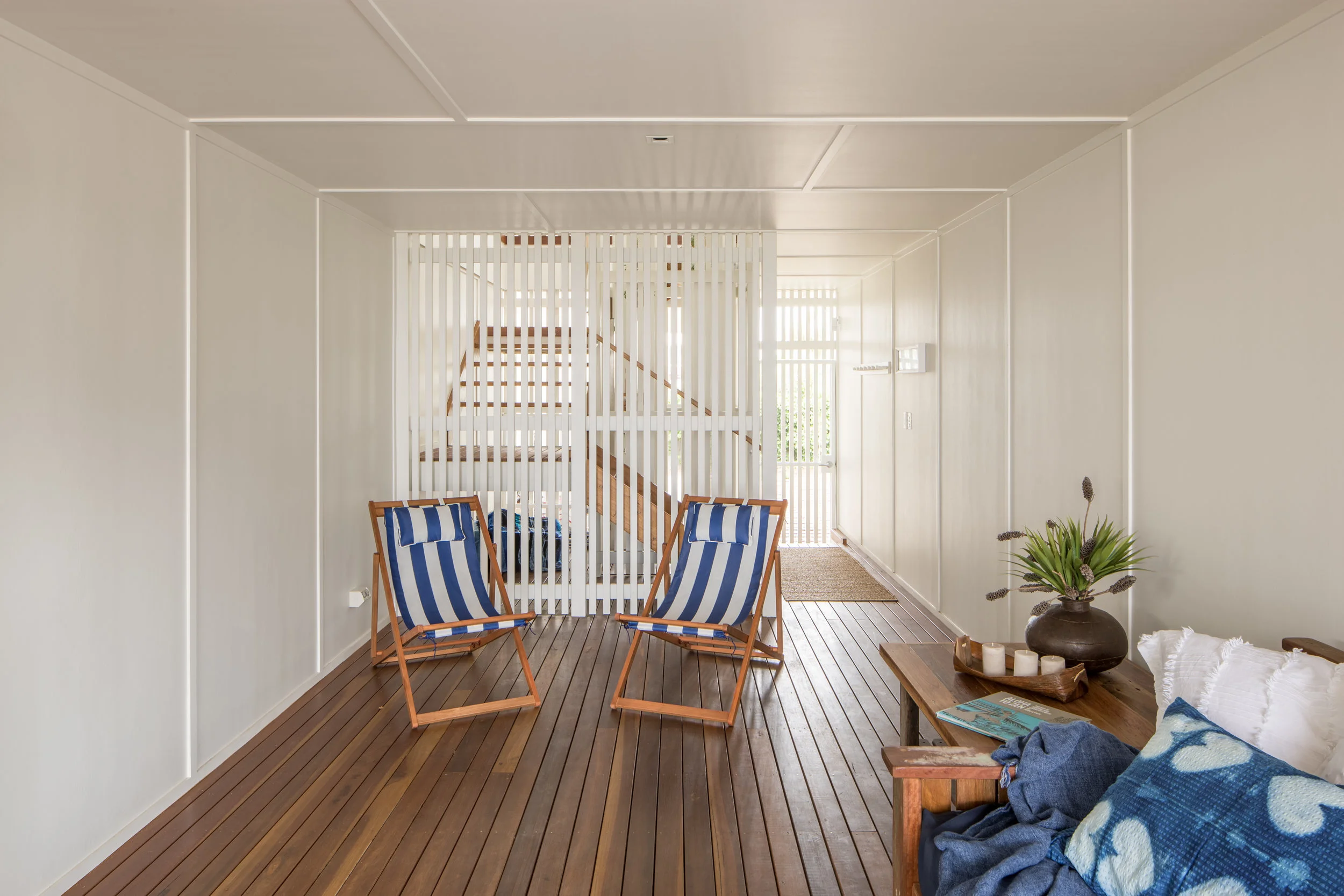
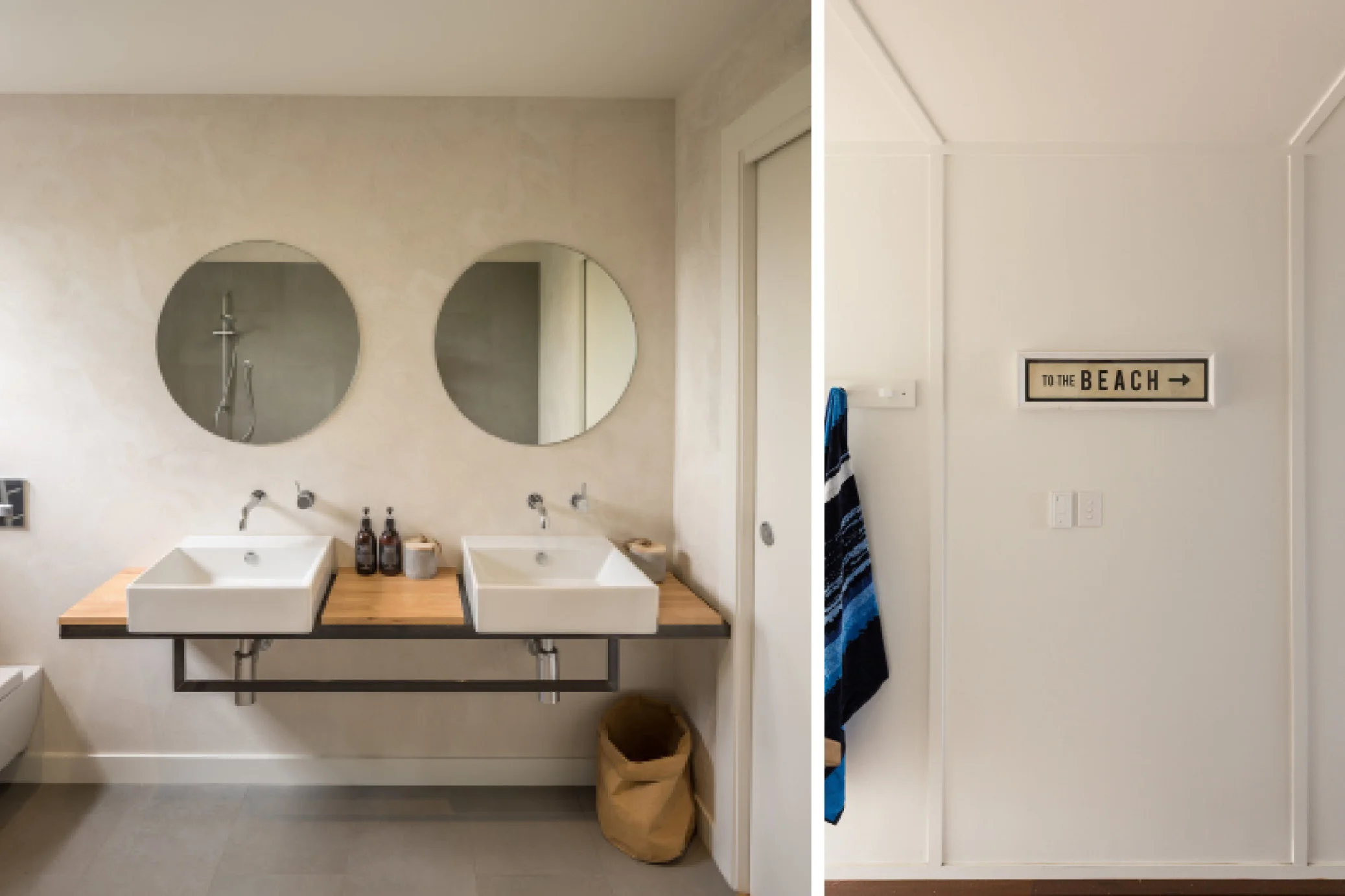
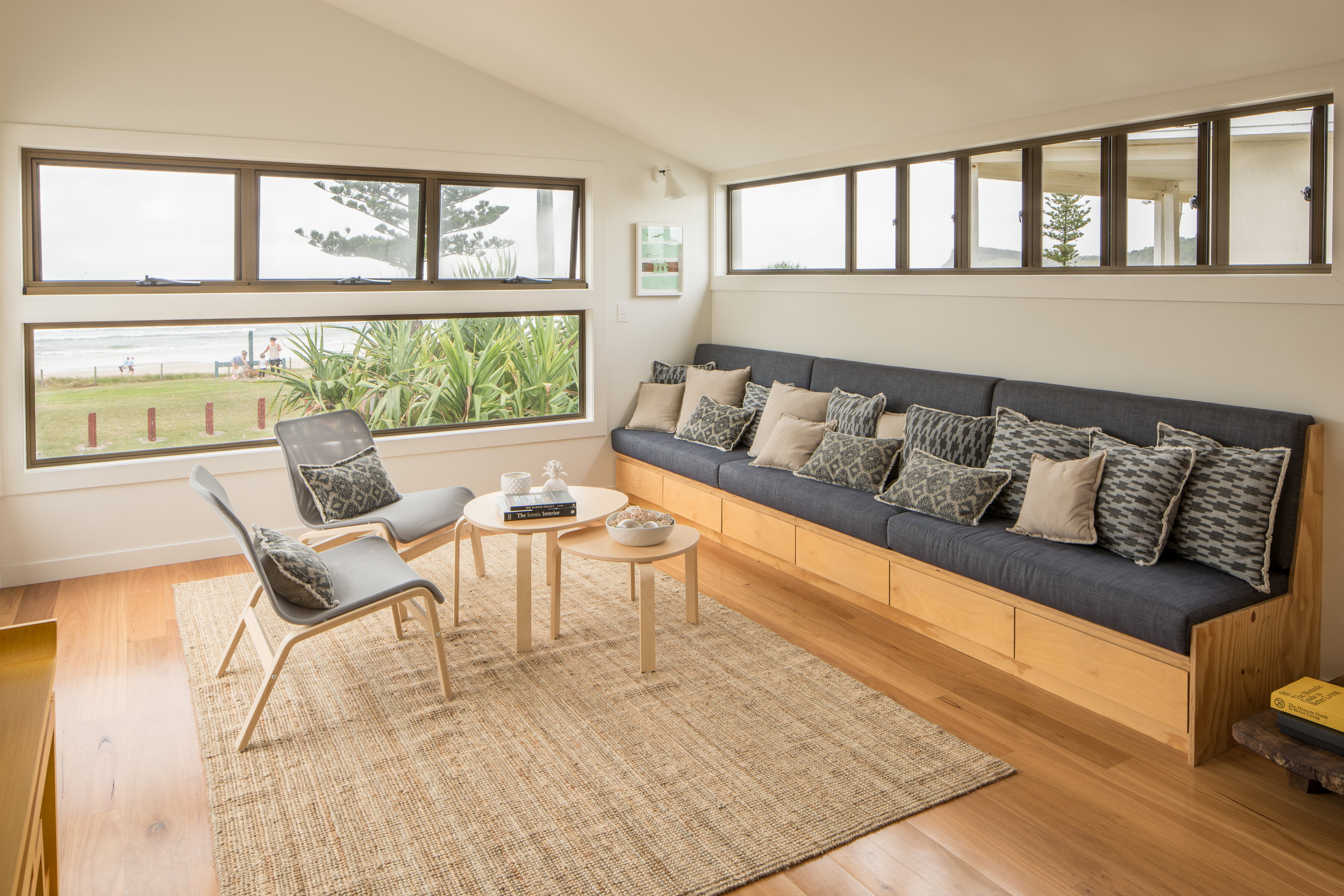
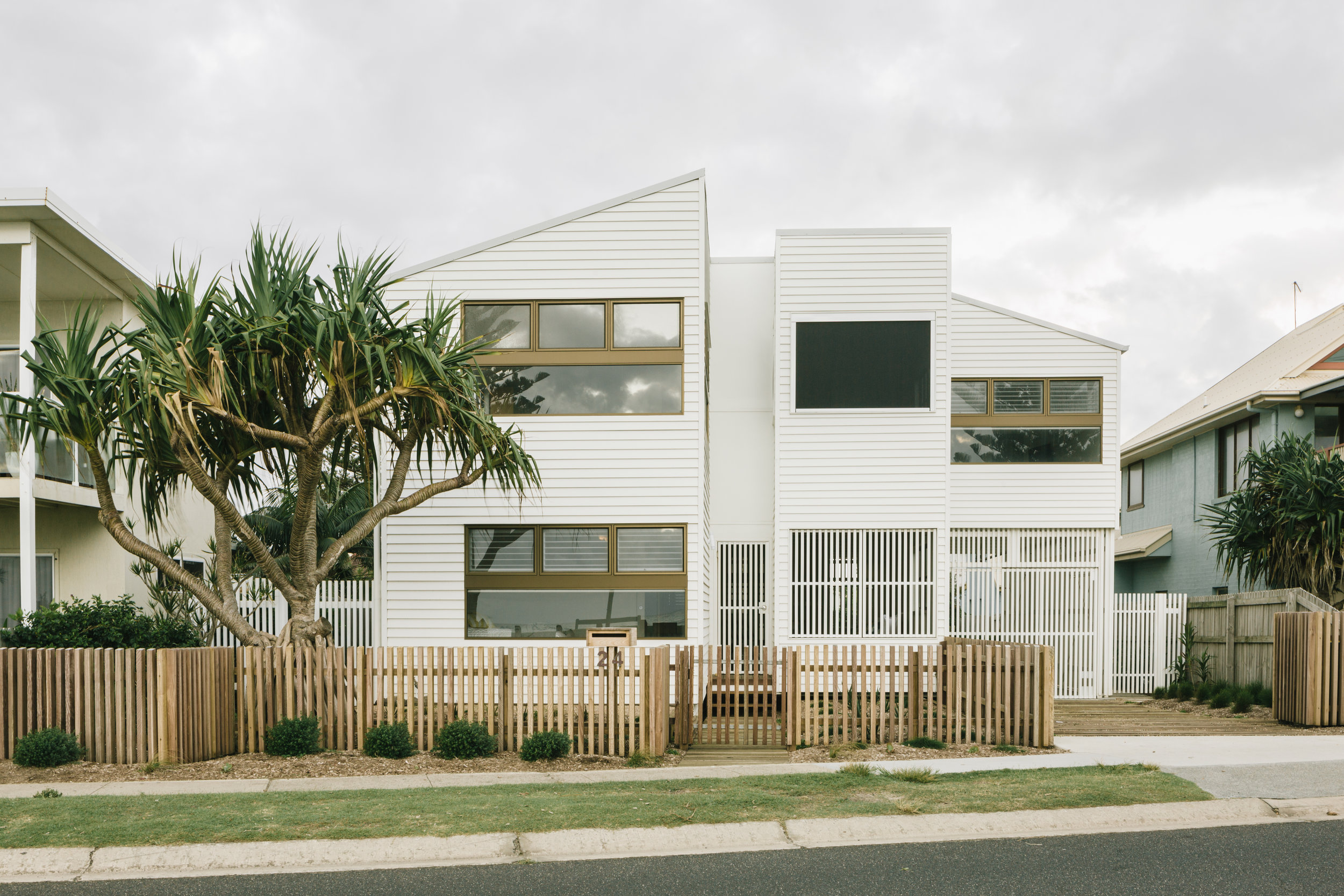
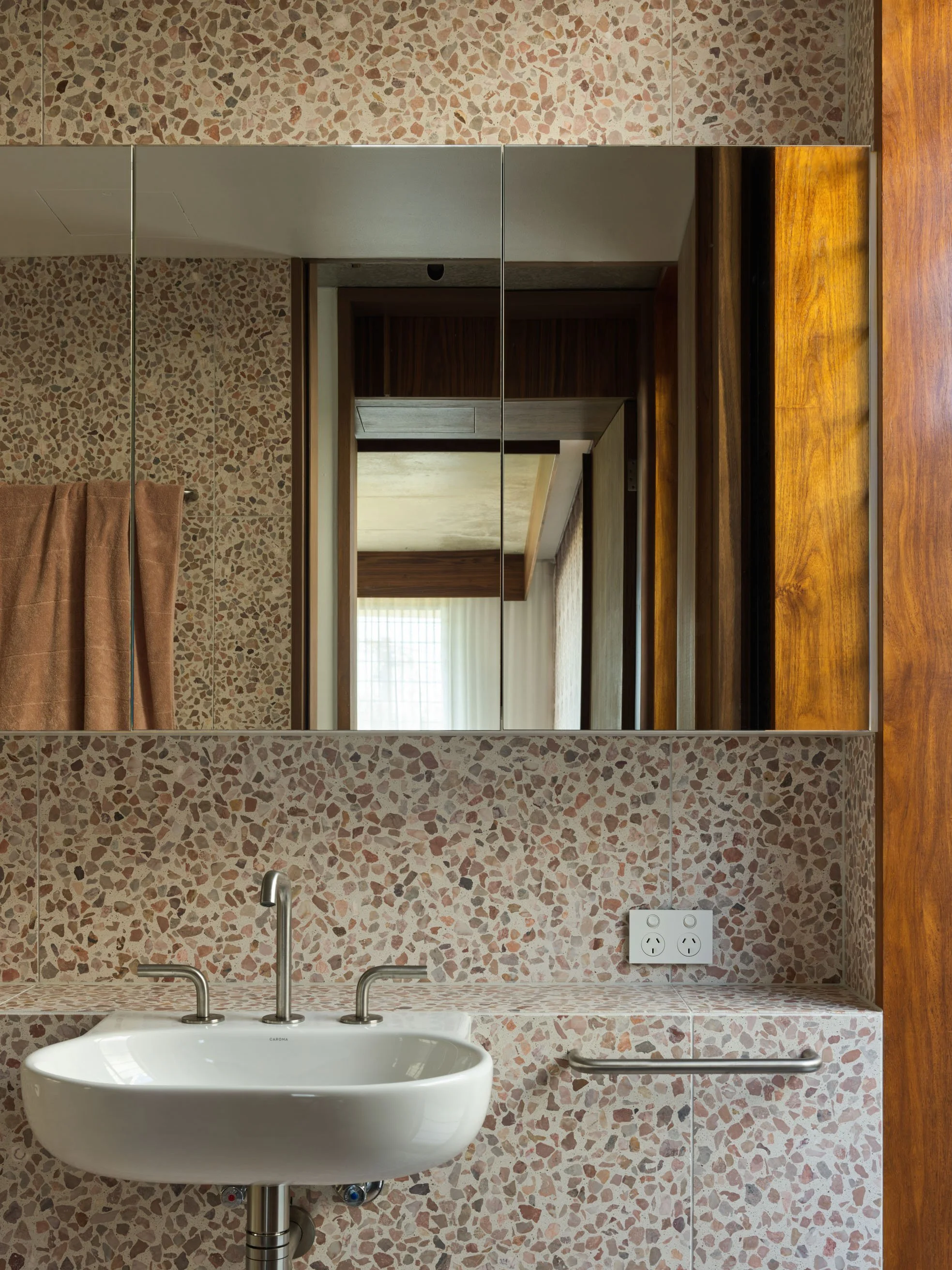
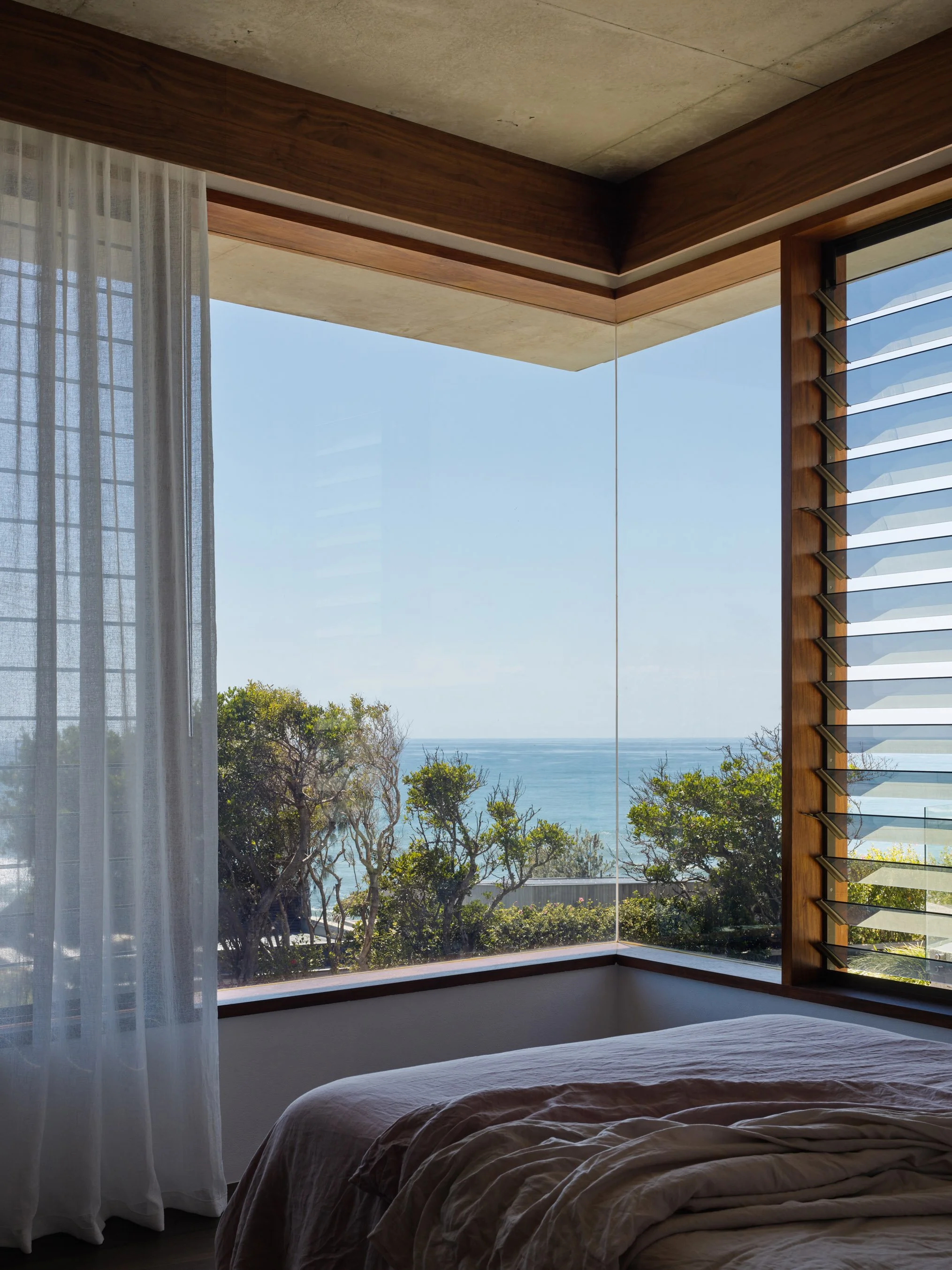
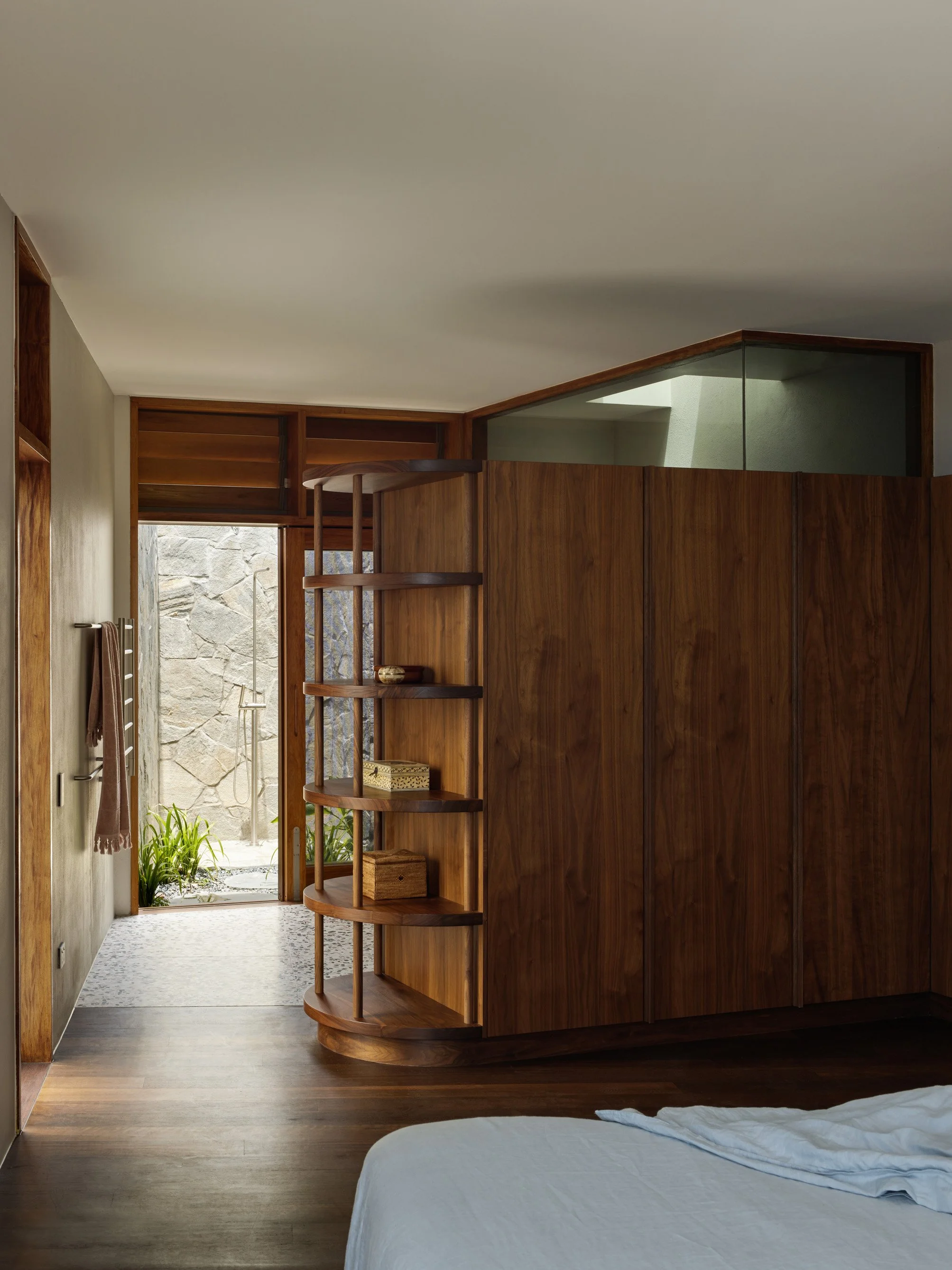
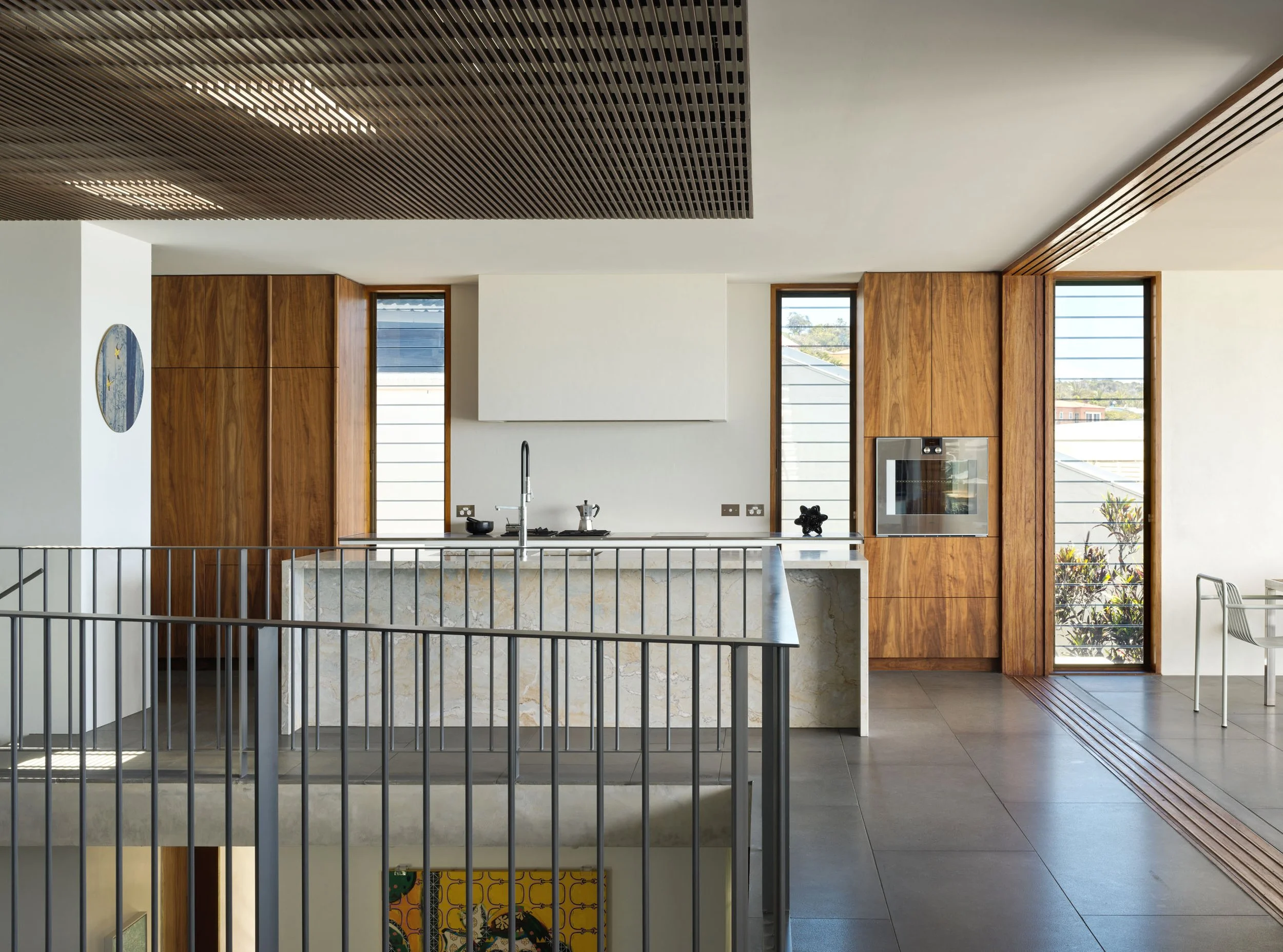
Utilising a prefabricated construction method, with custom designed interiors, this modern beach house delivered a unique holiday experience within a limited budget and timeframe.
Built in a factory off site during the development approval period, the house was installed on site in only 3 days.


![AIDA_Campaign2019_InstagramImages_BSA_Residental_QLD[1].jpg](https://images.squarespace-cdn.com/content/v1/56b014b81a5203d11aa29a9a/1564116407099-0ZVWZ3SK2A12WKFNB97D/AIDA_Campaign2019_InstagramImages_BSA_Residental_QLD%5B1%5D.jpg)